Key Takeaways
European robotics startups 2026 are being judged less by polished demonstrations and more by whether their systems can operate reliably in difficult, economically meaningful settings.
- Warehouse automation is moving toward integrated, software-coordinated systems.
- Inspection robots are extending autonomous operation into hazardous industrial environments.
- Humanoid and service robots remain long-horizon bets with demanding hardware constraints.
- Drones are becoming practical tools for inventory, inspection, and autonomous data collection.
- Deployment evidence, safety, integration, and unit economics matter as much as technical novelty.
1. Exotec: Scaling warehouse automation across Europe
Warehouse automation is a useful starting point because the operating environment is structured, measurable, and commercially urgent. European logistics operators face pressure to improve throughput while coping with labor constraints, changing order profiles, and expensive real estate. The strongest systems are therefore not judged only by robot speed, but by how well automation fits into a complete fulfillment process.
A useful comparison starts with the operational layer rather than the machine itself. Investors and operators should ask whether a system is designed around storage density, movement, software coordination, and integration with existing workflows. The following framework helps separate a compelling demonstration from a deployable warehouse system.
| Evaluation area | Practical question | Why it matters |
|---|---|---|
| Throughput | Can the system sustain the required order volume? | Peak performance must translate into daily operations. |
| Integration | Does it fit warehouse software and processes? | Automation rarely operates in isolation. |
| Flexibility | Can layouts or product mixes change? | Retail and logistics demand rarely stand still. |
| Economics | Are labor, space, and maintenance benefits measurable? | Deployment needs a credible return on investment. |
That framework also explains why European warehouse robotics deserves close attention. The field is shifting from isolated machines toward coordinated infrastructure, a theme explored in this warehouse robotics analysis. Related technology coverage can sit beside less relevant commercial pages such as slot online, but the technical assessment should remain focused on deployment evidence rather than surface-level novelty.
2. ANYbotics: Bringing autonomous inspection robots to industrial sites
Industrial inspection is one of robotics' clearest applications because workers routinely enter areas that are hot, noisy, elevated, contaminated, or difficult to access. A mobile robot can collect repeatable observations without requiring every inspection to place a person in the same environment. The value is not simply mobility; it is the creation of a more regular information stream for maintenance and operations teams.
Inspection systems must still work around imperfect maps, changing site conditions, and the need to interpret sensor data correctly. A robot that completes a route but produces ambiguous or poorly contextualized data may add little operational value. The practical test is whether its output supports a decision, such as investigating an anomaly or scheduling maintenance.
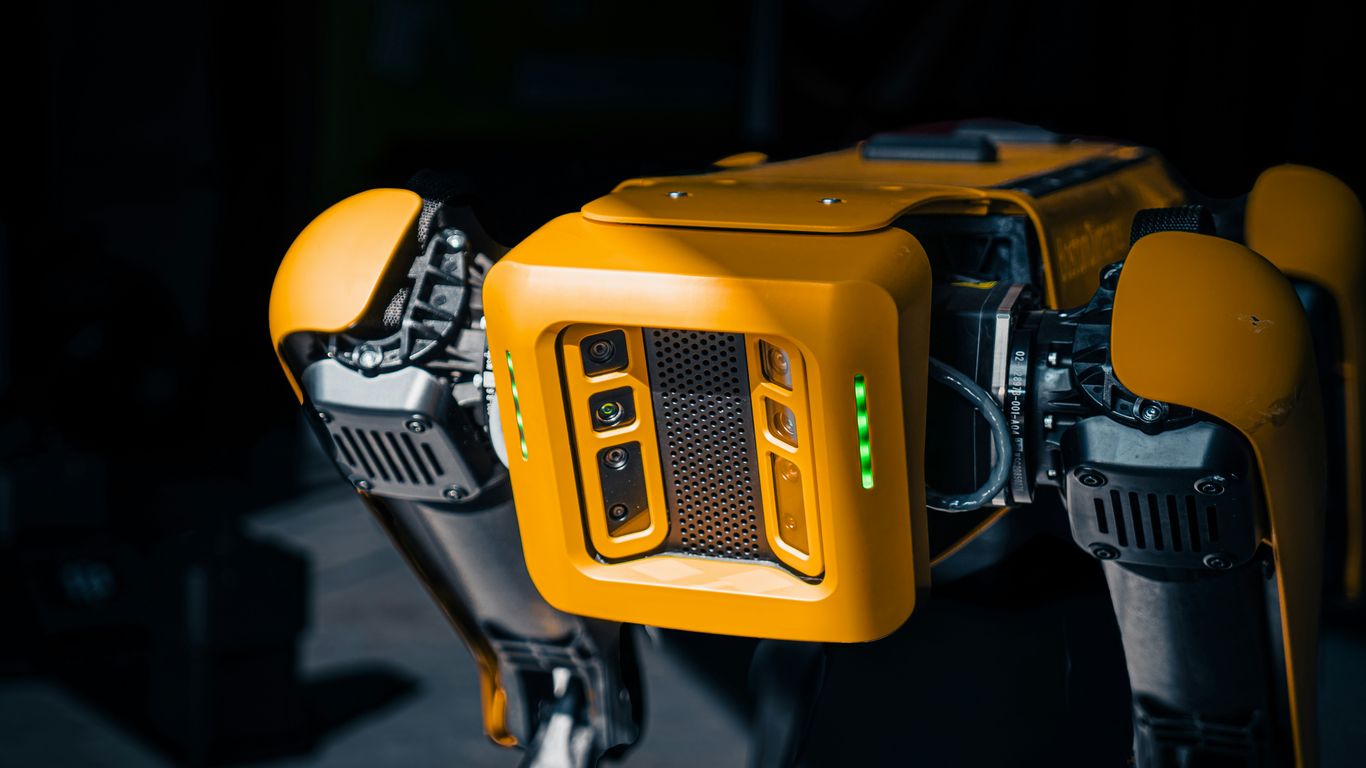
The European market is well suited to this category because it combines mature industrial assets with strong safety expectations. Progress will likely be measured through repeatability, site integration, and the ability to operate without constant human intervention. Those criteria are more revealing than a single successful trial.
3. NEURA Robotics: Advancing cognitive humanoid robots
Humanoid robotics attracts attention because a human-shaped machine can, in theory, operate in spaces designed for people. That argument is technically appealing but incomplete. A useful system still needs reliable perception, safe motion, manipulation, power management, and software that can handle variation without requiring a new engineering project for every task.
The phrase “cognitive” also needs careful treatment. It can refer to a system's ability to combine sensing, reasoning, and action, but it does not remove the physical challenges of balance, contact forces, or grasping. The central question is how much of the loop can be made dependable outside a controlled demonstration.
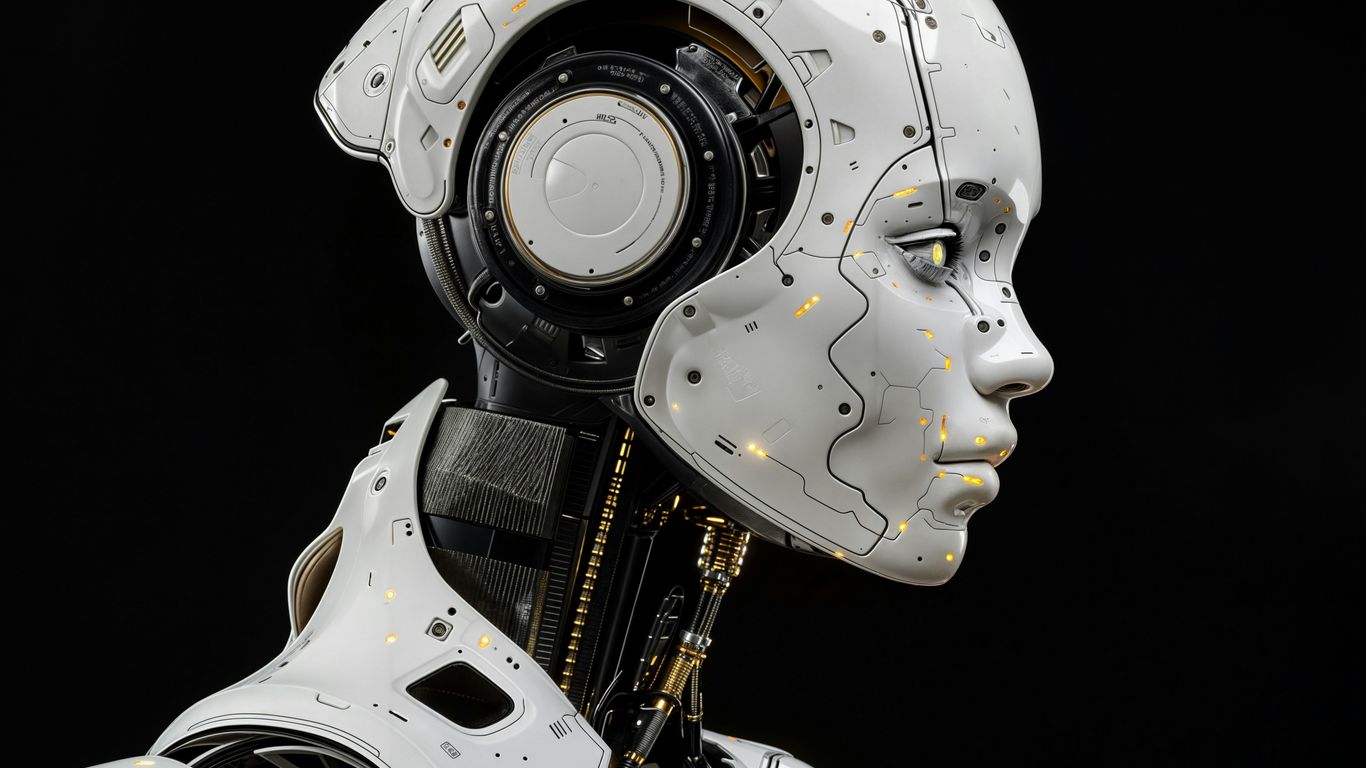
For founders and investors, the important distinction is between a prototype, a pilot, and a repeatable product. The broader humanoid robotics market provides useful context, but individual systems should be evaluated on documented operating conditions, safety processes, and evidence that hardware and software can scale together. Deployment evidence matters most when the surrounding claims are ambitious.
4. 1X: Developing robots for real-world work and home environments
Robots intended for homes or general work settings face a much less forgiving problem than machines operating behind factory barriers. Floors, furniture, lighting, objects, and human behavior vary constantly. A system that performs well in a carefully prepared environment may still struggle when confronted with ordinary clutter or an unfamiliar room.
That makes data collection and physical reliability central to the category. The robot must perceive enough of its surroundings to act safely, while its mechanical design must tolerate repeated use. Remote assistance, staged deployment, and clear limits may all be sensible parts of an early operating model rather than signs of failure.
The commercial question is whether a general-purpose platform can build trust one task at a time. The humanoid robots launching in 2026 coverage illustrates the breadth of the category, while a more disciplined assessment asks what each system can do today, where it can operate, and what remains experimental. Home robotics will advance through ordinary reliability, not only spectacular demonstrations.
5. Enchanted Tools: Reimagining service robots for commercial spaces
Service robots operate in public environments where navigation, interaction, and appearance all affect adoption. Hotels, restaurants, retail spaces, and other commercial settings require machines to move around people without making the environment feel unsafe or inconvenient. The business case depends on fitting into staff routines as much as on autonomous movement.
A service robot also has to communicate its status clearly. If workers cannot tell what it is doing, whether it needs help, or how to work around it, even a technically capable machine can create friction. Designers therefore have to treat human interaction as part of the system rather than as a cosmetic layer.

The category is especially revealing because deployments expose weaknesses quickly. Narrow corridors, elevators, spilled materials, and unpredictable pedestrians test the difference between controlled autonomy and useful autonomy. Startups that define a focused operating environment may have a clearer route to adoption than those that promise universal service from the beginning.
6. Dexory: Automating warehouse inventory with autonomous robots
Inventory is a deceptively difficult warehouse task. Records can become inaccurate when goods move, labels are obscured, aisles are busy, or manual counts are delayed. Autonomous data collection offers a way to make inventory information more frequent and less dependent on occasional labor-intensive checks.
The strongest argument for automation here is informational. Better visibility can support replenishment, exception handling, and space planning, but only if the collected data is accurate and available in the systems that teams already use. A robot's route is therefore only one part of the product.
Several implementation questions deserve explicit attention:
- How often does the operation need inventory data?
- Which sensing conditions create uncertainty?
- How are exceptions reviewed by human operators?
- Can the output connect to existing warehouse software?
These questions keep the discussion grounded in workflow rather than spectacle. They also connect inventory robotics to the wider movement toward autonomous warehouse operations, where modularity and integration often determine value more directly than mechanical novelty.
7. Quantum Systems: Expanding autonomous drone intelligence
Autonomous drones combine robotics, sensing, embedded computing, and difficult decision-making under tight limits on weight and power. Their usefulness depends on more than flight. They must gather information, interpret changing conditions, and maintain a reliable link between autonomy and human oversight.
The technical frontier is moving toward systems that can handle more of the mission without constant manual control. That does not mean human supervision disappears. Instead, operators may shift from steering each movement to defining objectives, monitoring uncertainty, and intervening when the system reaches a boundary it cannot safely resolve.
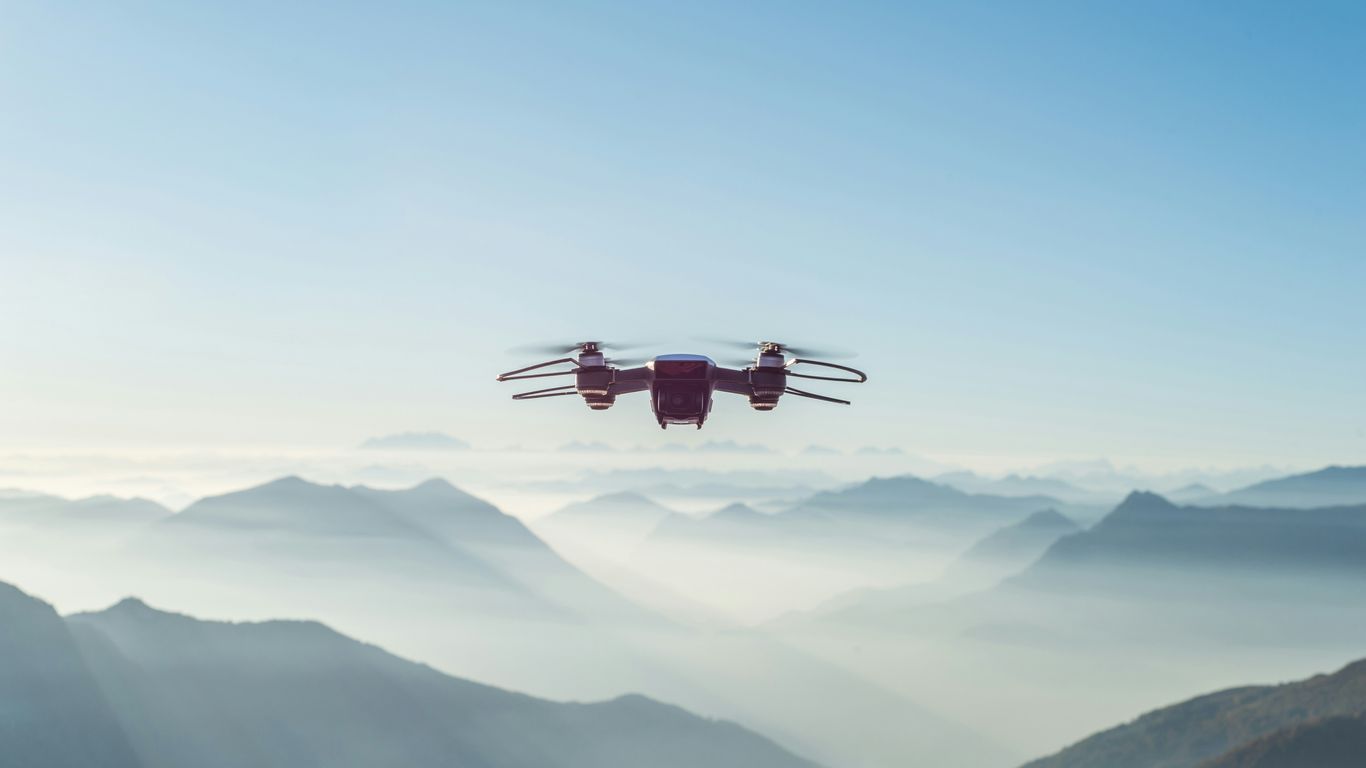
This is a field where the difference between a research capability and a fielded product is particularly important. Weather, communications, regulation, and sensor performance can all change the result. A serious evaluation should therefore examine the full mission architecture, not just the autonomy model in isolation.
8. Flyability: Making confined-space inspection safer with drones
Confined-space inspection presents a direct safety case for robotics. Tanks, tunnels, shafts, and other restricted areas can be difficult to enter and expensive to inspect thoroughly. A drone may reduce exposure by collecting visual information before a person is asked to enter, although the exact value depends on image quality, navigation, and the inspection procedure around it.
The operating environment also creates unusual engineering demands. Restricted spaces can interfere with positioning, reduce visibility, and limit recovery options. Robust procedures matter because a lost aircraft or incomplete inspection can introduce a new operational problem rather than solve the original one.
The most durable applications will pair autonomous or remotely operated flight with clear human review. That combination preserves accountability while using the machine where it offers the greatest safety advantage. It is a good example of robotics augmenting skilled work instead of pretending that every task can be fully automated.
9. RIVR: Building autonomous delivery robots for challenging environments
Delivery robots have to work at the boundary between controlled logistics and public infrastructure. They encounter curbs, weather, pedestrians, parked vehicles, doors, and changing traffic patterns. A useful system must manage those conditions while keeping the delivery process simple for customers and operators.
The business model is equally important. Route density, charging, storage, remote assistance, insurance, and local rules can determine whether a technically successful pilot becomes a repeatable service. This is why the autonomous delivery robotics overview is best read alongside evidence about operating models and infrastructure.
A practical path may begin with constrained routes and clearly defined delivery zones. As experience accumulates, autonomy can expand where the data supports it. The central challenge is not merely making a robot move from one point to another; it is building a dependable system around the exceptions that occur between those points.
10. CMR Surgical: Transforming minimally invasive surgery with robotics
Surgical robotics operates under a different standard from most commercial automation. Precision, reliability, training, sterility, clinical workflow, and regulatory evidence all matter, and failure has consequences that cannot be reduced to a missed delivery or delayed warehouse order. Progress therefore tends to be slower, but its evaluation can be more disciplined.
Minimally invasive systems are valuable when they support procedures through small access points while giving clinical teams useful control and visualization. The technology must fit the operating room, not merely demonstrate impressive motion in a laboratory. Hospitals also need to consider training, maintenance, procurement, and the evidence supporting clinical use.
The medical robotics field is broad, spanning surgery, diagnostics, rehabilitation, and intervention. Readers comparing categories can consult this surgical robotics coverage, while keeping individual claims tied to documented indications and outcomes. The long-term winners will likely be platforms that combine technical precision with practical adoption across the healthcare system.
Conclusion
The European robotics startups 2026 conversation is most useful when it moves beyond rankings and asks what each system can reliably do, where it can operate, and how it fits into a real economic workflow. Across warehouses, industrial sites, public spaces, homes, skies, and operating rooms, the durable advantage will come from disciplined deployment: measurable performance, safe interaction, credible integration, and a clear path from prototype to infrastructure.
Frequently Asked Questions
What makes a robotics startup worth watching in 2026?
The strongest signals are documented deployments, repeatable performance, credible safety practices, and evidence that customers can integrate the system into an existing workflow.
Are humanoid robots ready for broad commercial use?
Some humanoid systems may be entering pilots or limited operating environments, but broad commercial readiness depends on reliability, cost, safety, and the ability to handle variation outside demonstrations.
Why are warehouses an important robotics market?
Warehouses offer measurable tasks, structured environments, and clear economic objectives, making them practical settings for proving whether automation creates sustained operational value.
What is the main benefit of inspection robots?
Inspection robots can collect information in environments that are hazardous, difficult to access, or expensive for people to visit frequently, while supporting more regular maintenance decisions.
Do autonomous drones eliminate human operators?
Usually not. Many systems are designed to shift people from direct control toward mission planning, monitoring, exception handling, and final interpretation of collected data.
What limits delivery robots in public spaces?
Weather, pedestrians, curbs, traffic, regulations, charging, remote assistance, and route economics can all limit deployment even when basic navigation works well.
How should investors compare robotics companies?
They should examine the operating environment, technical scope, deployment evidence, integration requirements, safety model, production plan, and unit economics rather than relying on demonstrations or funding totals alone.