Key Takeaways
Autonomous delivery robot startups 2026 are transitioning from localized pilot projects to wide-scale urban deployment by optimizing fleet efficiency and safety architectures.
- Advanced sensor fusion now combines LiDAR and camera arrays to improve navigation in dense, semi-unstructured environments.
- Urban infrastructure is being retrofitted with robot-friendly loading zones to facilitate seamless last-mile handoffs.
- Scaling requires integrating modular storage units that can handle varied temperature requirements for diverse goods.
- Strategic partnerships with major grocery and retail platforms are the primary driver for current commercial adoption.
- Remote oversight stations allow human operators to intervene in edge cases, maintaining high system availability across large fleets.
Market landscape and growth trajectories

The global delivery ecosystem is witnessing a significant shift as autonomous delivery robot startups 2026 refine their business models to prove long-term commercial viability. Analysts tracking the field observe a move away from purely experimental campus pilots toward sustained integration with local logistics networks. This transition is underpinned by improvements in vehicle-agnostic autonomy systems that allow for faster deployment cycles across different geographic zones.
Shifting urban infrastructure requirements
Cities are increasingly adapting their physical landscapes to accommodate robotic participants in the sidewalk flow. Municipalities are implementing dedicated curbside access zones and standardized sidewalk ramps that ensure consistent travel paths, reducing navigation complexity. For operators, this infrastructure creates predictable corridors that allow autonomous agents to move with higher reliability and less reliance on compensatory AI maneuvers.
Regional adoption rates in North America and Europe
North America leads in total deployments of sidewalk robots, driven by high demand for rapid, low-friction food delivery. In Europe, adoption leans heavily toward logistics integration within historical urban centers where narrow accessibility makes traditional vehicle delivery difficult. Both regions are now focusing on harmonizing local transit regulations to permit broader operational airspaces for these technologies.
Market valuation and venture capital trends for 2026
Investors continue to pour capital into firms that prioritize software-defined autonomy over proprietary hardware manufacturing. According to insights in the top robotics startups, the market is rewarding companies that can demonstrate high system utilization and proven safety metrics during their scaling phases. Capital flows have shifted from funding original prototyping to subsidizing the massive operational data collection required to harden these systems against rare, real-world edge cases.
Key challenges in autonomous navigation and safety
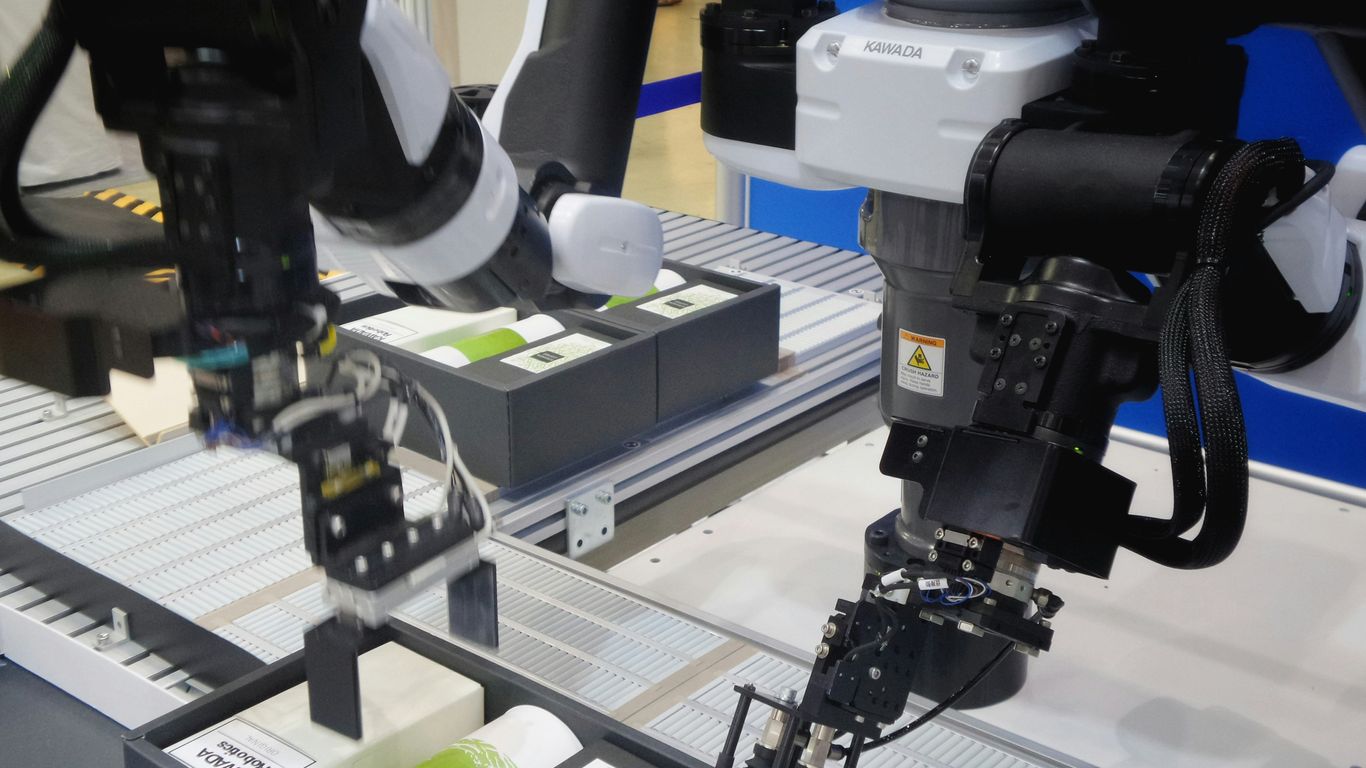
Safe autonomous operation depends on the robot's ability to maintain a reliable digital understanding of the physical world in real-time. Navigation failures in high-traffic pedestrian areas are the most significant hurdle for firms attempting to scale beyond controlled spaces. Engineers are addressing these concerns by layering sensor inputs, ensuring that the loss of one sensory stream does not render the vehicle blind or unresponsive.
Advancements in LiDAR integration
LiDAR systems have seen rapid price drops while concurrently increasing in resolution, allowing robots to identify small, low-profile obstacles that were previously invisible. Integrating these precise laser-point clouds with processed visual data creates an occupancy map of high accuracy that informs faster path planning decisions. This sensor synergy is vital for maintaining uptime in the high-density traffic environments typical of metro cores.
Handling complex pedestrian and traffic environments
Navigating crowded walkways requires predictive modeling of human behavior rather than just obstacle detection. Robots frequently analyze gait patterns and head orientation to anticipate human movement before a path becomes blocked. The following factors define navigation success in these dynamic areas:
- Constant low-latency environmental scanning for real-time path updates.
- Predictive movement algorithms that identify high-traffic crossing points.
- Fallback hardware safeties that trigger controlled stops upon sensor ambiguity.
- Continuous fleet communications to update maps with temporary transit disruptions.
Proactive navigation ensures that the systems can coexist with pedestrians while minimizing delays that would otherwise degrade the economics of the delivery model.
AI error mitigation strategies and edge cases
Error mitigation platforms function by detecting anomalies in real-time and offloading resolution to cloud-based oversight. By classifying sensory input patterns that typically correlate with system failures, AI models can now initiate safe-state procedures far faster than human reaction time permits. These procedures prioritize pedestrian safety while transmitting telemetry back for model retraining, an essential capability for long-term fleet health.
Ethical compliance and sidewalk right-of-way regulations
Determining right-of-way remains a complex legal challenge as robots share infrastructure with residents and city maintenance workers. Companies must comply with local mandates that often vary street-by-street. Successful operators are those that implement clear acoustic and visual signaling, ensuring human passersby understand a robot's intent before it performs a movement, an approach favored by regulatory bodies concerned with city-wide accessibility.
Operational models scaling in 2026

Operational scaling necessitates a move from highly supervised pilots to automated, resilient systems that can function with minimal human-in-the-loop frequency. The most successful fleets are those operating in dense industrial or campus environments where the layout is fixed, allowing for standardized navigation behaviors. By refining these models, operators are effectively reducing the labor required per delivery, a metric critical to achieving profitability at scale.
Last-mile grocery delivery integration
Retailers are embedding autonomous delivery robots directly into their point-of-sale systems to optimize delivery timing and lower overall costs. This integration allows for real-time inventory updates and predictive dispatch, where a robot is staged near a store before an order is placed. The logistical efficiency gains mean fresh groceries can be moved from the store floor to the customer doorstep within narrow, high-demand windows.
Campus-based and hospital logistics
Controlled environments like university campuses and large medical complexes offer the ideal sandbox for high-frequency robotic logistics. These sites have clear paths and predictable traffic, enabling robots to run continuous automated missions for food, pharmaceutical, and document transport. Such use cases serve as the training ground for more complex, open-city scenarios by providing a high volume of low-stakes operational data.
Partnership models with major retailers and delivery platforms
Large-scale delivery operators like Starship Technologies rely on symbiotic agreements with major retailers to secure deep integration. By integrating their robotic fleets directly into established third-party logistics apps, they bypass the need to build a customer-facing brand from scratch. This strategy leverages the existing customer base, allowing robots to slot seamlessly into existing service delivery promises and customer expectation models.
Fleet management architecture and remote oversight stations
Remote stations act as the nervous system of an autonomous fleet, providing human-assisted resolution for unforeseen navigation blockers. Operators monitor multiple robots at once, providing remote path navigation for complex, high-traffic intersections that the robot might struggle to navigate independently. This centralized management ensures that throughput remains high even when individual units encounter environmental difficulty.
Technological evolution in hardware and battery life

The shift toward electric-first logistics requires significant advancements in the energy density of portable power systems. As fleets expand, the cost associated with downtime for charging represents a notable drag on profitability, compelling a push toward higher efficiency and faster energy transfer. These hardware improvements are enabling longer routes and more frequent round-trips without human intervention for battery swapping.
Improving energy efficiency for extended delivery ranges
Optimizing chassis design, powertrain efficiency, and light-weighting materials has allowed for a significant increase in operating radius per charge. Engineers are targeting regenerative braking and efficient low-rolling-resistance tires to eke out extra miles, ensuring that current hardware can reach outer urban zones. This extended range mitigates the need for multiple intermediary charging stops, which adds logistical complexity to standard operating procedures.
Modular storage solutions for diverse package sizes
Modular compartments allow robots to carry mixed loads, accommodating everything from small pharmacy parcels to large grocery bins. By standardizing internal bay dimensions, operators can swap modules to tailor a vehicle to a specific day’s logistics task. This flexibility significantly improves the unit economics by allowing for maximum payload utilization regardless of the order composition.
Ruggedization for extreme weather performance
Weather resilience has evolved from a lab luxury to a necessary commercial standard for robots operating in diverse climate zones. Improved weatherproofing, thermal battery management, and custom sensor cleaning systems allow operations to continue through rain, snow, and extreme heat. By maintaining performance across these conditions, companies secure high demand from clients who require year-round logistical consistency.
Economic impact and labor market considerations
Analyzing the integration of autonomous systems requires a look at the trade-off between massive upfront hardware investment and the long-term reduction in human-courier overhead. The transition to robotic delivery creates a new class of logistical roles, focusing on fleet management, maintenance, and remote tele-operations rather than manual courier labor. These jobs demand technical skills that align with the requirements of the modern automated warehouse.
Cost-per-delivery comparisons with traditional courier methods
Operating robots at scale begins to show significant per-delivery savings compared to human couriers, particularly when labor costs fluctuate. The economic feasibility is often viewed through the following cost structure metrics:
| Cost Category | Traditional Courier | Autonomous Robot | Impact on Margin |
|---|---|---|---|
| Labor/Per Delivery | $5.00 - $8.00 | $0.50 - $1.00 | High Improvement |
| Capital Deployment | Low (Vehicle Use) | High (Initial Hardware) | Long-term Recovery |
| Hourly Capacity | 3-4 Deliveries | 8-12 Deliveries | Throughput Increase |
These metrics illustrate that while capital expenditure is high, the efficiency gain at scale enables a sustainable reduction in final-mile costs for providers.
Impact on the gig economy and local delivery workforce
As startups integrate robotic fleets, the local delivery workforce is shifting toward specialized fleet maintenance and oversight roles. While displacement of standard courier work occurs, it is balanced by the emergence of new positions at regional operational hubs. This evolution helps address local labor shortages, allowing the logistics market to maintain service volumes even when the available gig labor pool is constrained.
Scaling sustainable urban logistics through electrification
Electrified robot fleets inherently contribute to the reduction of urban carbon footprints compared to the use of ICE-based transit for short, lightweight deliveries. By replacing high-emission last-mile van traffic with silent, electric autonomous agents, cities can lower local noise and air pollution. This aligns with broader ESG goals, providing an additional incentive for municipalities to fast-track the permits necessary for widespread robot deployment, ensuring a sustainable path to growing urban commerce.
Conclusion
Autonomous delivery robots are moving beyond the initial hype cycle and are now steadily integrating into the fiber of urban logistics, driven by essential advancements in sensor autonomy, battery efficiency, and strategic commercial partnerships. As companies successfully prove the economics of these fleets at scale, the focus is shifting toward establishing the safe and predictable environments needed for long-term viability. By solving the technical hurdles of reliability and regulatory compliance, the industry is setting the stage for a shift in how goods circulate within our cities, fundamentally altering the efficiency and environmental footprint of local fulfillment.
Frequently Asked Questions
How do autonomous delivery robots handle complex traffic environments?
They utilize advanced multi-sensor arrays—including LiDAR, radar, and cameras—that continuously map the surroundings while using predictive algorithms to anticipate the movement of pedestrians and other vehicles.
What happens when an autonomous delivery robot encounters an error during delivery?
Most modern fleets are designed with a safe-stop mechanism that brings the robot to a halt if it encounters a situation it cannot confidently navigate, while simultaneously alerting a human supervisor at a remote oversight station to provide remote guidance or recovery.
Are these robots capable of operating in extreme weather conditions?
Yes, current hardware designs emphasize ruggedization, including weather-sealed electronics, optimized thermal management systems for batteries, and specialized cleaning mechanisms for sensors to maintain visibility in rain, snow, or high dust conditions.
How does the cost of robot delivery compare to human couriers?
While hardware and fleet maintenance involve high initial capital expenses, the cost-per-delivery for robotics is significantly lower because a single operator can oversee multiple robots, and the units can operate for longer hours without needing typical human rest breaks.
Which types of businesses are the primary early adopters of this technology?
Grocery retailers, food delivery platforms, and large institutional campuses like medical centers or universities are the earliest adopters, as they have consistent, high-volume, and predictable logistical needs that suit the current capabilities of autonomous platforms.
Are there regulations regarding the right-of-way for sidewalks?
Regulations for sidewalk use are currently evolving at the local municipal level, with cities increasingly setting mandates to ensure that robots use designated areas and maintain clear pathways for human walkers and accessibility devices.
Does the widespread use of robots eliminate human delivery jobs?
Instead of simple elimination, the tech transforms the workforce by shifting human labor away from manual delivery driving toward higher-skill roles in fleet oversight, automated hardware maintenance, and technical network management.