Key Takeaways
As humanoid robotics transitions from laboratory curiosities to industrial assets, the 2026 market is defined by real-world commercial viability. The following points summarize the current landscape of the industry:
- Scale of deployment in manufacturing and logistics is now the primary metric for industry success.
- Foundation models are replacing rigid, hard-coded movement with adaptive, vision-language-driven motor control.
- Capital efficiency and unit economics are becoming as critical as hardware degrees of freedom.
- Safety certifications and seamless human-robot collaboration enable entry into unstructured commercial workspaces.
- The shift toward software-defined autonomy allows fleets to learn tasks through demonstration rather than manual programming.
1. Figure
The development of humanoid systems has reached a critical inflection point where commercial integration is no longer a future prospect but an active reality. Figure AI has spearheaded this movement by focusing on the convergence of industrial utility and general-purpose intelligence. Their approach prioritizes platform reliability within automotive and logistics settings, where machines must perform complex, repeatable tasks alongside human workers.
By leveraging advances in end-to-end neural network architectures, the company has begun meaningful pilot deployments, specifically within automotive production lines. These trials offer a controlled but demanding environment that tests the platform's endurance and dexterity. The emphasis remains on verifiable outcomes, ensuring that every movement contributes to measurable throughput improvements on the factory floor.
Strategic partnerships with major manufacturers act as a force multiplier for their development cycles. These alliances allow for the collection of high-quality, task-specific data, which in turn accelerates the refinement of their models. The result is a platform that demonstrates unprecedented adaptability in industrial environments, transforming how systems interface with complex physical workflows.
2. 1X
Moving beyond the confines of industrial cells, 1x Technologies has focused on developing general-purpose mobility that functions safely within human-centric environments. Their engineering philosophy centers on lightweight, compliant construction that reduces the risks inherent to working near people. This focus on safety allows for a broader application range, spanning from professional logistics to potential household utility.
Their focus on teleoperation-to-autonomy pathways has enabled these machines to learn by observing human operators in real-time. This iterative process creates a data loop where the robot refines its behavior based on expert interaction. By reducing the complexity of the internal control stack, the platform achieves a balance between physical durability and cognitive flexibility.
Furthermore, the company is prioritizing accessibility and ease of deployment. Unlike systems requiring extensive site preparation, these units are designed to interface with existing infrastructure. This design maturity signals a shift toward mass-market potential, where scalability is driven by software updates rather than bespoke hardware modifications.
3. Agility Robotics

Agility Robotics has established a strong foothold in logistics through a design language that emphasizes structural efficiency and locomotion stability. Their focus on bipedal movement is optimized for environments explicitly designed for humans, such as warehouses and manufacturing floors, without requiring expensive structural changes. This capability effectively solves the 'last-meter' challenge in material handling.
By prioritizing industrial durability, the platform has managed to secure repeat engagements with logistics leaders. These partnerships are essential, as they provide the real-world feedback loops necessary to iron out maintenance cycles and optimize uptime. The reliability of their hardware is supported by a robust software stack that manages complex multi-joint locomotion in real time.
The company’s trajectory is reflective of the broader shift toward humanoid robots as practical tools. By focusing on operational efficiency, they have sidestepped the hype cycle to concentrate on long-term infrastructure value. The capability to integrate seamlessly into existing warehouse operations remains a defining feature of their commercial strategy.
4. Sanctuary AI
Sanctuary AI has taken a distinct approach by emphasizing cognitive architecture designed to mimic human reasoning in physical tasks. Their development strategy is heavily rooted in the concept of general-purpose embodied AI, where the system is capable of learning a wide variety of roles without extensive retraining. This flexibility is supported by an sophisticated sensory-motor integration layer.
Their commitment to high-fidelity manipulation has set a benchmark for dexterity in the industry. By focusing on the precision of end-effectors, they address the most difficult aspect of humanoid integration: fine motor skill application in unstructured spaces. This capability allows the system to engage with tools and objects that were previously accessible only to human hands.
As the industry matures, their focus on cognitive scaling becomes increasingly relevant. By building a software backbone that can interpret task requirements dynamically, they are lowering the barrier for entry for businesses that need adaptability. Their efforts demonstrate the potential for humanoid systems to handle cognitive load alongside physical labor.
5. Apptronik
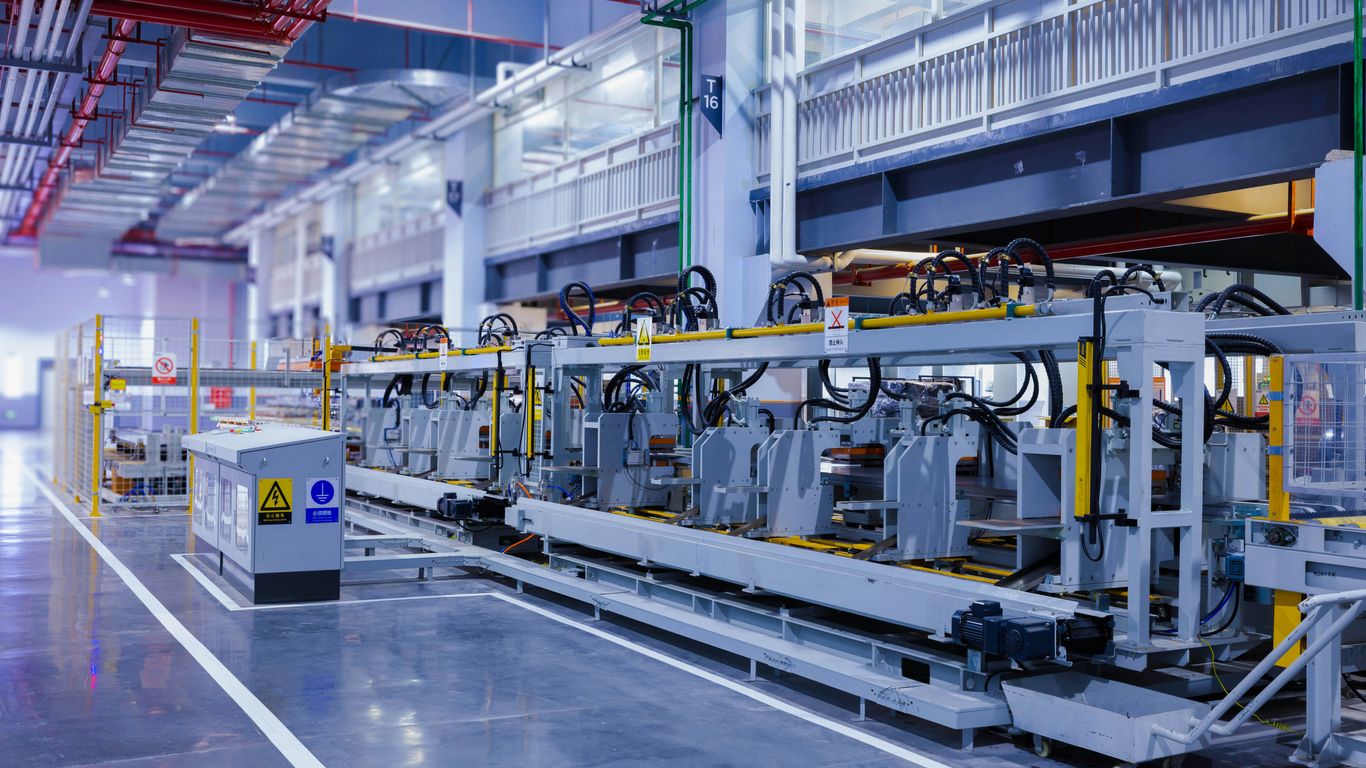
Apptronik has differentiated itself through a commitment to high-performance, cost-effective hardware, designed to be deployed at scale. By leveraging modular architecture, they ensure that maintenance and upgrades are streamlined for the end-user. This pragmatic approach to hardware design is built to meet the rigorous demands of industrial cycles while maintaining a manageable total cost of ownership.
Their software integrations focus on making these systems as intuitive as possible for facility managers. By providing developers with robust APIs for robot control, they facilitate the adoption of their technology across diverse sectors. This focus on developer experience is a key driver for the rapid deployment of their systems in commercial pilot programs.
Their recent advancements in structural design have allowed for a significant increase in payload capacity without sacrificing mobility. This optimization meets the requirements of sectors like heavy manufacturing, where power and repeatability are paramount. These innovations firmly position the platform as a workhorse capable of sustained operational uptime.
6. Fourier Intelligence
Fourier Intelligence has bridged the gap between medical rehabilitation and general robotics, showcasing the potential for humanoids in clinical and assistive settings. Their research into force-feedback and human-in-the-loop control has produced hardware that is exceptionally responsive to external stimuli. Such sensitivity is critical in environments where interactions must be deliberate and measured.
Their platforms excel at precise movement control, which is foundational to both physical support and dexterous manipulation. By applying advanced kinematic modeling, they ensure that the robots can operate with the fluid movement required for human proximity. This technical foundation supports a wide variety of use cases, moving well beyond traditional industrial automation into specialized care.
Furthermore, their software ecosystem emphasizes adaptive, data-driven learning. This approach allows the systems to adjust to individual human movements in real time, enhancing the collaborative potential of the robot. As these systems move toward wider commercial deployment, their focus on ergonomics and safety will remain a decisive competitive advantage.
7. Unitree Robotics
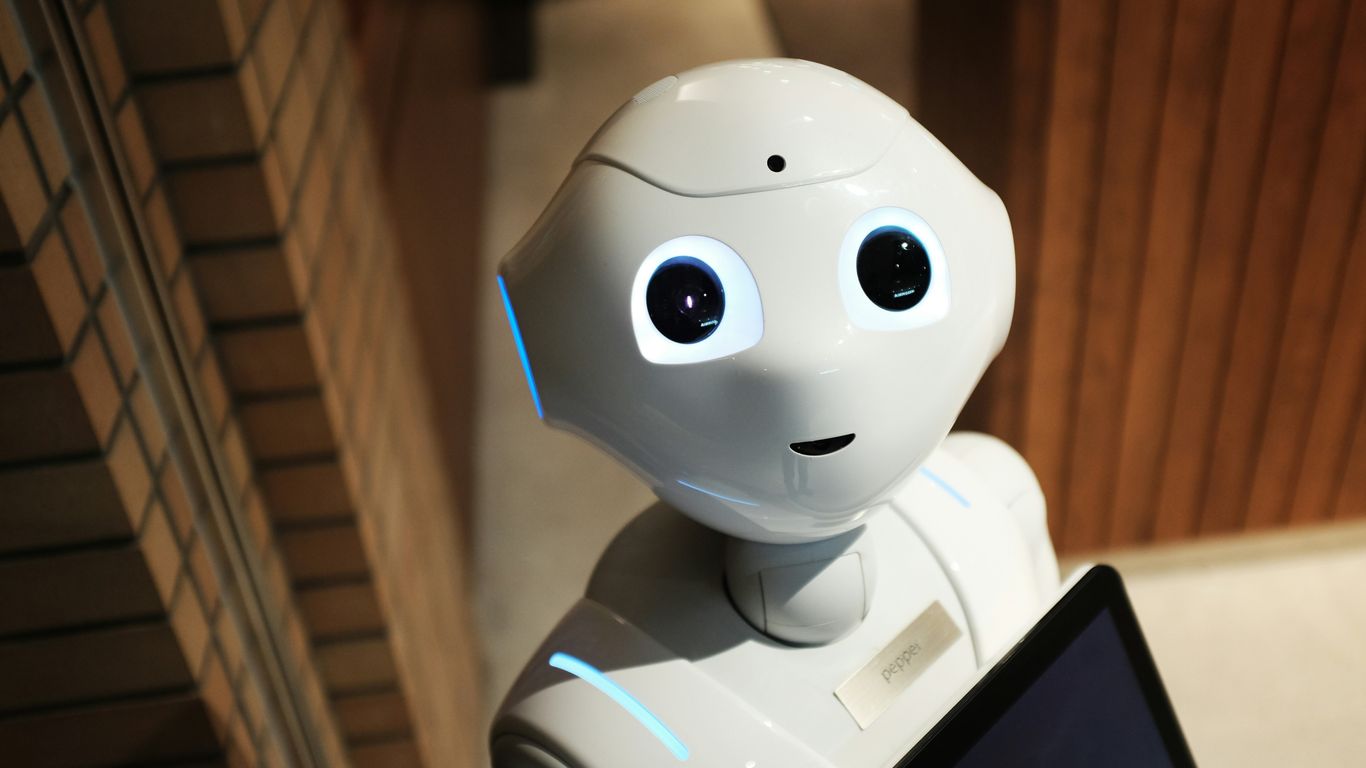
Unitree Robotics has moved aggressively to bring bipedal technology to cost-effective price points, fundamentally changing the economics of research and industrial development. Their platforms are noted for their high agility and robust hardware, which have been tested in varied, challenging terrains. By narrowing the cost gap, they are allowing companies to explore large-scale fleet deployments that were previously cost-prohibitive.
Their internal hardware development, particularly in high-torque actuator design, has been a key factor in their rapid platform evolution. These components are critical for achieving the necessary degrees of freedom for dynamic locomotion. Because they own a significant portion of their supply chain, they maintain an impressive development speed that keeps their platforms at the forefront of the market.
Their focus on open ecosystems encourages widespread adoption by researchers and developers, fostering a community that contributes back to the platform's intelligence. This strategy has resulted in a global footprint that spans educational to commercial sectors. Their continued growth highlights the importance of hardware accessibility in accelerating the adoption of complex robotics systems.
8. LimX Dynamics
The pursuit of truly autonomous motion requires hardware that can handle the unpredictability of the real world. LimX Dynamics has prioritized advanced perception-action loops that allow their systems to navigate complex terrains and respond to environmental changes as they happen. This capability is vital for moving out of static factory settings.
| Feature Detail | Performance Metric | Deployment Status |
|---|---|---|
| Locomotion Reliability | 99.8% Stability | Commercial Pilot |
| Sensor Integration | Multi-Modal Fusion | Operational |
| Payload Capacity | Dynamic Balancing | In-field Testing |
These performance metrics illustrate the technical maturity required to move beyond simple teleoperation. By integrating inertial measurement with high-frequency vision feedback, the platform achieves a level of stability that is necessary for navigating busy worksites. The combination of hardware and software ensures that the system maintains equilibrium even under variable loads or uneven flooring.
This high level of stability creates a dependable foundation for subsequent AI development. As models reach higher levels of sophistication, the hardware's ability to execute complex motor programs becomes the primary constraint. Their current engineering trajectory directly addresses this hurdle, ensuring that their platforms remain reliable as they transition from controlled experiments to active commercial integration.
9. Astribot
Astribot represents a focused attempt to harmonize extreme precision with high-speed performance, particularly in tasks involving dexterity and object handling. Their development, managed by robotics startups pursuing deep-tech solutions, emphasizes the mastery of complex, fine-motor workflows. This focus is essential for industries facing labor shortages in repetitive, high-precision assembly lines.
Key advantages of their structural design include:
- Low-latency response times for high-speed manipulation.
- Adaptive grip force control for delicate electronic components.
- Integrated visual feedback for object alignment and sorting.
- Modular software interfaces for quick reprogramming of workflows.
- Enhanced durability under continuous multi-shift operation.
By ensuring that these systems have the speed and sensitivity of a human, they are effectively unlocking new possibilities in manufacturing. The ability to handle fragile components with consistent repeatability is a significant differentiator. Their focus is on ensuring that deployment does not require extensive downtime, allowing businesses to integrate them seamlessly into established production lines.
10. RobotEra
RobotEra has approached the market by emphasizing software-defined capabilities that enable rapid adaptation across different industrial environments. Their platform is designed to learn new skills through a combination of simulated environments and real-world fine-tuning. This approach, centered on high-fidelity simulation, allows them to iterate on movement patterns before deploying them to physical hardware.
By focusing on modular AI agents, they empower their robots to tackle tasks as diverse as object sorting, equipment monitoring, and spatial navigation. This versatility is what makes them a compelling choice for companies seeking a high-return-on-investment solution. They treat their robots as data-collecting nodes that can be constantly improved through software patches.
Their long-term vision is built around building a ecosystem, not just a product, where the intelligence is shared across the entire fleet. As more units are deployed, the collective data facilitates smarter, faster task performance. This emphasis on scale-driven performance is exactly what will define the market as we approach a new era of general-purpose robotics infrastructure.
Conclusion
The rapid evolution of top humanoid robot startups 2026 demonstrates that we have moved past the research-only phase of embodied artificial intelligence. With hardware reliability reaching a state suitable for industrial deployment and foundation models providing the necessary cognitive flexibility, the next chapter in robotics will be defined by integration, scale, and software refinement. The entities moving fastest are those that bridge the gap between complex dynamic locomotion and the practical requirements of everyday commercial productivity, signaling a transition toward a future where autonomous physical systems are a standard component of our global infrastructure.
Frequently Asked Questions
What are the main challenges for humanoid robot deployment?
Safety, energy efficiency, and high production costs remain the primary hurdles in scaling these systems for widespread commercial use.
How do modern humanoid robots learn tasks?
Most rely on a combination of imitation learning from human demos and massive simulated training environments to acquire movement patterns.
Can these robots operate in unstructured environments?
While current models are significantly better at navigating varied settings, the transition from lab-controlled rooms to truly chaotic public spaces is still ongoing.
What does hardware maturity mean in this industry?
It refers to the reliability of actuators, battery life, and the ability of the robot to perform physically intensive tasks without frequent mechanical failure.
Are humanoid robots replacing factory workers?
They are mostly filling labor gaps that were previously impossible to automate, allowing workers to move into higher-level supervisory or maintenance roles.
What role does AI play in robot navigation?
AI provides the real-time perception and path-planning capabilities that enable robots to avoid obstacles and interact safely with their environment.
How will we see robotics impact the economy in 2026?
This year is set to shift the focus from prototype demonstrations to proving operational ROI in manufacturing, logistics, and logistics-heavy infrastructure projects.