Key Takeaways
The medical robotics industry in 2026 has transitioned from experimental prototypes to functional, clinically viable infrastructure. This shift highlights a focus on AI-driven autonomy, enhanced surgical precision, and tangible improvements in patient recovery outcomes.
- AI models are enabling higher levels of autonomous execution for repetitive surgical tasks.
- Microsurgical robotic systems are refining vascular procedures with sub-millimeter precision.
- Orthopedic robotics now leverage collaborative architectures to assist surgeons in real-time positioning.
- Remote tele-robotic platforms are effectively expanding access to expert-level care across geographic barriers.
- Nanotechnology and advanced diagnostics are transforming biopsy accuracy and targeted metabolic delivery methods.
1. AI-driven autonomous surgical platforms
The rapid evolution of AI-driven surgical platforms represents a distinct milestone in healthcare delivery. These systems do more than serve as passive tools; they integrate real-time computer vision and machine learning that analyze tissue properties during ongoing procedures. By processing vast datasets of previous surgeries, these platforms can suggest optimal trajectories or detect anatomical anomalies faster than human observation alone.
This shift toward increased machine agency is defining the standard for the top surgical and medical robotics startups 2026. Developers are moving away from manual tele-operation toward semi-autonomous workflows where the machine manages suturing or basic dissection. This reduces cognitive load on the surgical team, allowing lead surgeons to focus on high-stakes decision-making while the robotic arm maintains consistent execution. Ensuring these systems operate with high reliability in unpredictable clinical environments remains the primary focus for engineers.
Safety certifications for these autonomous components require rigorous testing and extensive clinical validation. The industry is standardizing software frameworks that verify decision pathways before deployment in operating theaters. This transition makes the operating room a data-rich environment, where each intervention helps refine the underlying foundation models that power the next generation of robotic assistance.
2. Microsurgical robotics for vascular intervention

Microsurgical robotics for vascular intervention address the extreme demand for precision in delicate procedures. Operating on blood vessels requires steady hands capable of working at scales where traditional surgical tools often lack sufficient control. Robotic platforms designed for this domain leverage advanced haptic feedback and micro-actuation to compensate for natural tremors and provide the surgical team with enhanced visualization of narrow, non-linear vascular paths.
Recent advancements prioritize portability and the ability to maneuver within the constraints of human anatomy without requiring invasive access points. The integration of high-resolution digital imaging allows these robots to map complex networks in real-time, assisting in tasks such as micro-anastomosis and vessel repair. The move toward soft-actuation technologies has further improved the safety profile of these tools, minimizing the risk of vessel wall damage during transit.
Market signals suggest that vascular intervention will be a primary growth driver as patient outcomes improve through robotic precision. These startups are focusing on modular system designs that fit within existing hospital infrastructure without demanding significant renovation. This pragmatic design approach enables centers of excellence to adopt microsurgical robotics as a standard part of their surgical innovation toolkit.
3. Collaborative robotic arms for orthopedic surgery
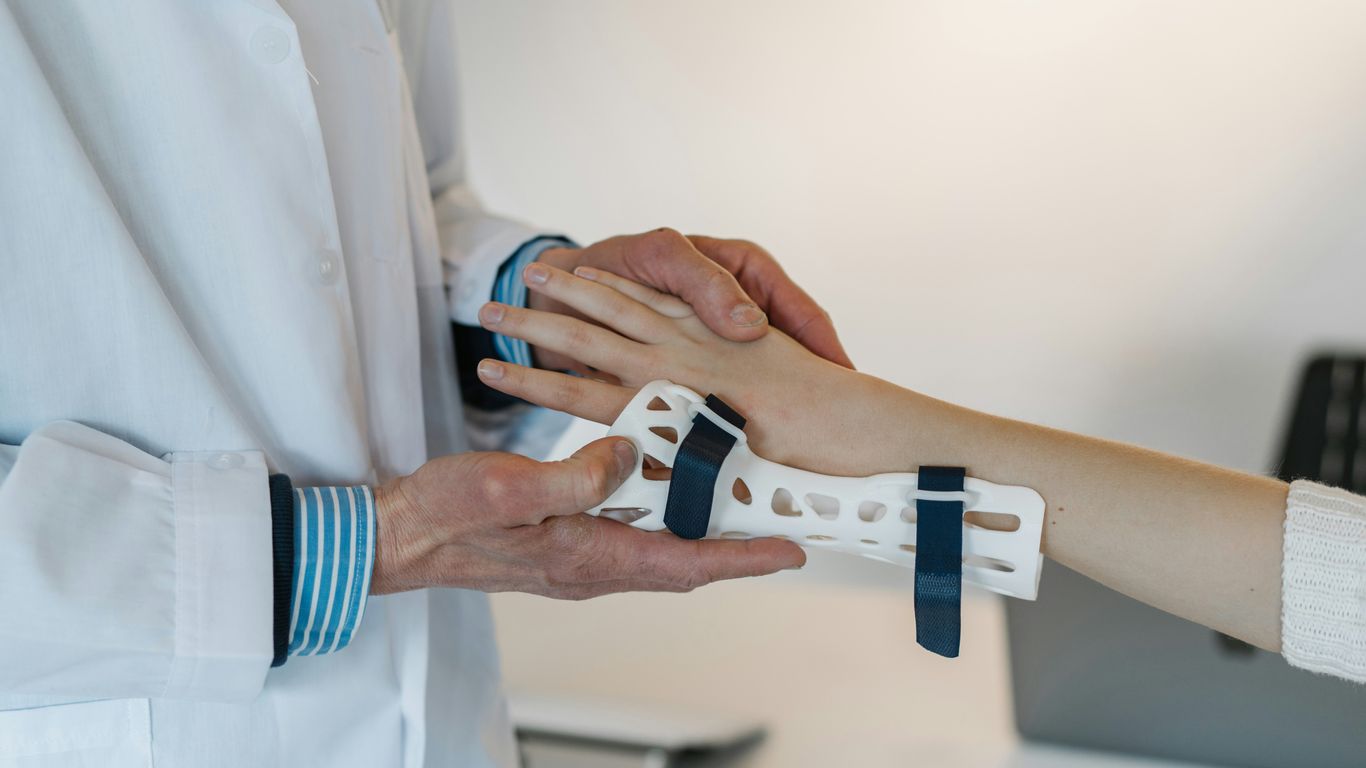
Collaborative robotic arms for orthopedic surgery bridge the gap between heavy industrial automation and human-centric care. Unlike fixed platforms, these systems operate alongside the surgeon, providing stabilization and precise bone prep during joint replacement and fracture stabilization. By tracking anatomy in real-time, these arms create physical boundaries that ensure instrumentation remains within planned safe zones, significantly enhancing the accuracy of component placement.
These platforms have seen substantial adoption due to their ability to simplify the complex alignment sequences required in modern orthopedics. By prioritizing commercial viability, startups are delivering units that integrate seamlessly into high-throughput settings. The table below outlines how these systems differ in their operational focus compared to traditional manual surgery methods.
| Feature | Manual Surgery | Collaborative Robotics |
|---|---|---|
| Precision Control | Human dependent | Sub-millimeter accuracy |
| Risk Mitigation | Visual check only | Physical boundary enforcement |
| Fatigue Impact | High | Low (system assists) |
| Repeatability | Varies by experience | Consistent performance |
Integration remains a critical element for these systems. As data from these procedures informs population-scale orthopedic research, hospital administrative teams are observing higher operational efficiency. This data-driven approach continues to validate the role of collaborative robots as essential infrastructure for modern orthopedics.
4. Tele-robotic systems for remote surgery
Tele-robotic systems for remote surgery are fundamentally altering the geography of critical care. By decoupling the surgeon from the physical location of the patient, these platforms utilize low-latency communication networks to transmit precise control data across vast distances. This capability empowers centers to provide specialized care to rural or underserved regions by utilizing the expertise of distant surgical experts in real-time.
Technological progress in this sector relies on stabilizing the digital link between the surgeon's console and the robotic system. Startups working in this space focus heavily on packet optimization and redundant connectivity to ensure that precision is never compromised by minor signal fluctuations. Ensuring that remote surgeons feel a sense of improved surgical outcomes through high-fidelity haptics is the current benchmark for success among these providers.
Legal and regulatory hurdles are currently the landscape's main points of discussion. Establishing clear protocols for cross-jurisdictional remote procedures is vital for widespread deployment beyond test cases. As these regulatory frameworks crystallize, the ability to extend surgical expertise globally will likely become the most impactful development in this technical field.
5. Soft robotics for minimally invasive endoscopy
Soft robotics for minimally invasive endoscopy are designed to navigate complex physiological pathways with minimal resistance. Traditional rigid endoscopy tools often create friction or trauma when traversing tortuous loops within the digestive tract. Soft systems use flexible, compliant materials and fluidic-powered actuation to passively conform to the patient's anatomy, enabling deeper and safer access than ever before.
This shift Toward compliant mechatronics allows for a new class of diagnostic devices that are significantly less intrusive to patients. Some of the most interesting developments involve sensors embedded directly into the robotic surface, allowing for simultaneous imaging and tissue tension assessment. By refining the robotic surgical training processes alongside these devices, startups enable clinicians to learn the specific controls required for soft articulation quickly.
Beyond basic diagnostic capabilities, these robots are being built to perform therapeutic tasks such as poly-removal or targeted sampling. This versatility makes them high-value assets for internal medicine departments. The following list highlights key advantages provided by soft instrumentation in contemporary endoscopy:
- Decreased reliance on heavy physical instrumentation during internal navigation.
- Improved patient comfort via adaptive material compliance.
- Integrated high-definition camera arrays for superior tissue inspection.
- Reduction in risk regarding secondary tissue damage.
- Scalability of compact systems into existing endoscopy workflows.
6. Robotic platforms for precise biopsy and diagnostics
Robotic platforms for precise biopsy and diagnostics streamline the process of identifying pathological tissues with extreme reliability. These systems combine high-speed image analysis with motorized guidance, ensuring that needle biopsies reach specific targets within organs with a high degree of confidence. By removing manual alignment errors, these platforms reduce the need for repeat procedures and lower the diagnostic latency for patients.
Startups in this sector are integrating advanced imaging data into their positioning logic, leveraging AI-based segmentation to highlight potential zones of interest. This makes the diagnostic process more robust, as the system effectively guides the clinician to the most relevant tissue samples. Precision at this stage is vital, as accurate pathology is the foundation of any successful long-term patient care strategy.
These automated platforms also support the growing trend of personalized medicine. By providing precise tissue sampling consistently, they allow for more granular molecular analysis. This transition represents a shift in deep tech funding, as investors prioritize platforms that directly improve the quality of patient data gathered before any primary treatment is initiated.
7. Automated patient positioning and transport solutions
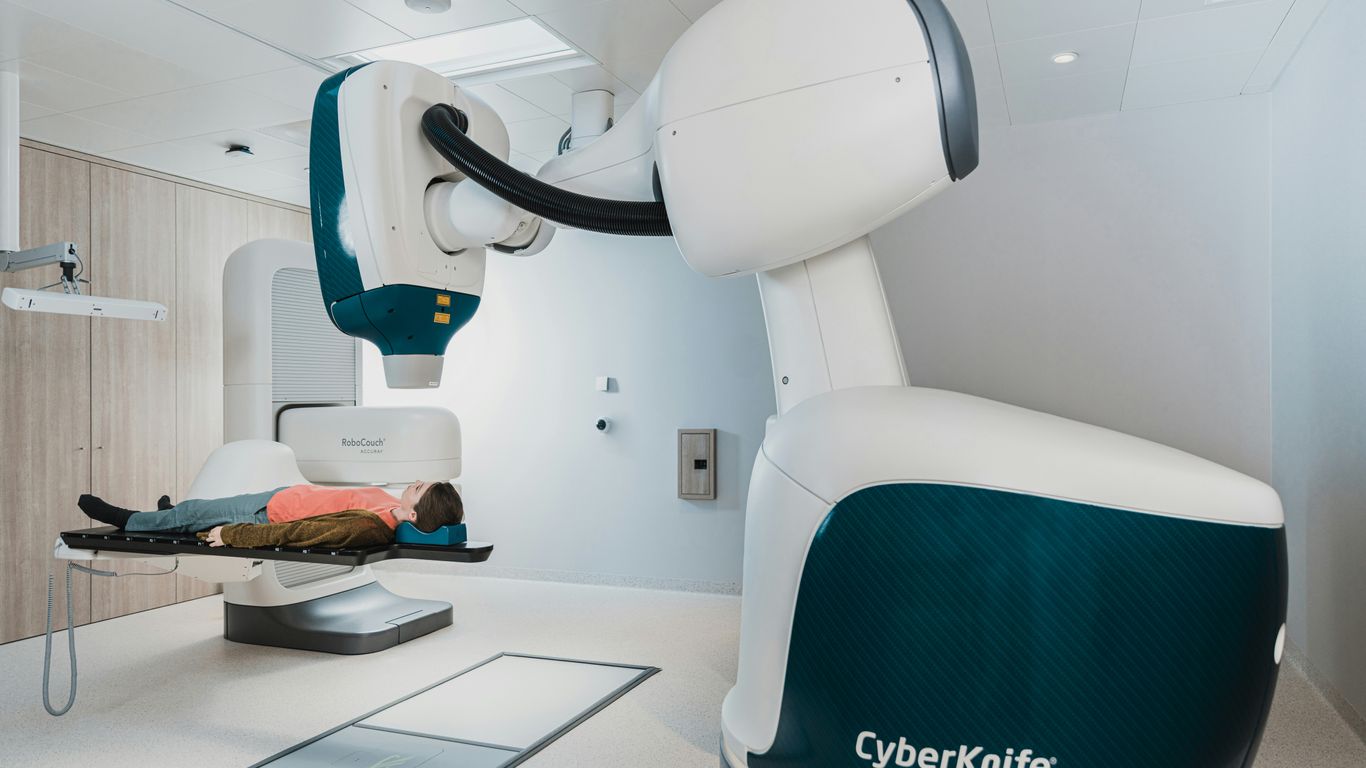
Automated patient positioning and transport solutions are designed to address the physical burden on the healthcare workforce. These robotic systems automate the movement of patients within hospital environments, reducing the occurrence of occupational injuries related to patient lifting. Beyond safety, these solutions enable precise positioning during imaging or intensive therapy, ensuring that mobility does not interrupt consistent care.
These platforms incorporate smart sensors to monitor patient stability during transit, adapting automatically to sudden shifts in weight or patient posture. The design goal for these systems is to act as an invisible extension of the nursing team, managing the logistics of patient safety while medical professionals monitor the patient's health. This operational viability in busy environments is what distinguishes effective transport systems from simple motorized gurneys.
The transition to automated transport environments reflects a broader goal of reducing burnout and increasing the retention of skilled nursing staff through high-quality support technology.
Reliability is the central demand from hospital operators evaluating these transport systems. The robotics must integrate with existing facility management software to track deployment and maintenance schedules effectively. This level of synchronization is increasingly demanded as hospitals optimize their operational agility and look to automate routine physical labor.
8. Nanorobotics for targeted drug delivery and imaging
Nanorobotics for targeted drug delivery and imaging represent the frontier of miniaturized medical intervention. These systems, while currently largely in the advanced research or early trial prototype phase, promise to deliver therapeutic agents directly to diseased tissue without affecting surrounding healthy cells. By navigating the circulatory system on a microscopic level, these devices can perform site-specific diagnostics or deploy medications with unmatched precision.
This sector is heavily reliant on advances in materials science and bio-compatible manufacturing. Startups must overcome the significant challenge of navigating the body's natural defense barriers while maintaining control from an external source. Recent work in magnetic propulsion allows for localized movement, providing a reliable navigation method for these miniature agents during complex orbital utility and similar high-constraint applications of related engineering principles.
While widespread commercial utilization is still on the horizon, these technologies represent the ultimate goal of surgical robotics: minimally intrusive, highly effective, and non-traumatic intervention. Every milestone in drug delivery or microscopic imaging significantly changes public expectations for the future of medical science. Research efforts remain grounded, acknowledging the significant steps necessary to reach clinical certification.
9. Cloud-connected robotic surgical training startups
Cloud-connected robotic surgical training startups are modernizing the way practitioners develop expertise in complex robot-assisted environments. These platforms offer virtual reality simulations that record every movement and decision made during a session, uploading this data to the cloud for real-time analysis. This allows surgeons to compare their performance against benchmarks and receive personalized feedback generated by AI models.
This loop of feedback is essential for maintaining a high level of surgical quality across dispersed hospital networks. By providing standardized training modules that are accessible anywhere, startups lower the barriers to entry for using new robotic tools. This focus on verifiable skill sets is becoming a standard request in medical education, ensuring that those operating the leading surgical robotics platforms are fully proficient, regardless of their location.
Training startups are also focusing on the psychological aspects of surgical proficiency. By tracking cognitive stress signals and movement patterns, these training systems can identify areas where a surgeon might experience fatigue or hesitation. This holistic approach makes simulation a powerful tool for improving operational performance safely outside of the live operating theater environment.
10. Rehabilitation and physical therapy exoskeleton startups
Rehabilitation and physical therapy exoskeleton startups provide life-changing assistive technology for individuals with mobility impairments. These wearable robots utilize sophisticated control logic to sense the wearer's intent and assist with natural walking or upper-body movement. For children and adults regaining function after trauma or managing congenital conditions, these exoskeletons provide the repetition required for effective rehabilitation.
These platforms have evolved from heavy, stationary rigs to agile, wearable systems that can be used in daily settings. Developers prioritize adaptive AI and weight-distributed architectures to ensure the robot feels like a natural part of the user. In many clinical trials, this technology has been documented replacing the need for mobility aids for certain patients, proving that dedicated humanoid robot startups can have a massive impact on the quality of life when their focus is specifically trained on healthcare.
Success in this sector is measured by long-term patient progress. Startups provide detailed analytics to therapists, allowing them to monitor recovery trajectories and adjust assistance levels as the patient gains strength. This integration with clinical therapy is the core strength that keeps these startups at the forefront of the rehabilitation technology market.
Conclusion
The medical robotics landscape in 2026 is defined by a shift from speculative development to the reliable, commercial-scale integration of hardware and intelligence into healthcare. Through AI-enhanced surgical platforms, microsurgical robotics, and advanced rehabilitation technologies, the industry is creating more precise, accessible, and inclusive medical interventions that reflect both structural innovation and a genuine commitment to patient care.
Frequently Asked Questions
How does robotics improve surgical safety?
Robotics improve safety by providing surgeons with superior visualization, eliminating human hand tremors, and establishing physical constraints that prevent damage to delicate anatomical structures during a procedure.
What role does artificial intelligence play in robotics?
Artificial intelligence enables robots to analyze anatomical features in real-time, suggest optimal trajectories, and provide semi-autonomous assistance to surgeons, effectively reducing the potential for human error.
Are remote surgical systems currently safe for use?
Remote surgical systems are increasingly safe due to advancements in low-latency communication and redundant connectivity, though their use remains focused on high-stakes scenarios with strictly established regulatory frameworks.
How are soft robots being used in healthcare?
Soft robots are primarily used in endoscopy to safely and non-invasively navigate human pathways, utilizing compliant materials that conform to the body's internal anatomy without causing the trauma associated with rigid tools.
Can rehabilitation robotics replace traditional therapy?
Rehabilitation robotics act as a force multiplier for traditional therapy, providing the repetitive, high-consistency movement patterns necessary for neural recovery while allowing physical therapists to supervise and track progress data more accurately.
What challenges do medical robotic startups face in 2026?
Startups in this industry face significant challenges regarding regulatory approval, the complex requirement for clinical validation, and the need to scale production while ensuring interoperability across disparate hospital information systems.
Will medical robots eventually lead to fully automated surgery?
While current technology is focused on semi-autonomous and collaborative modes designed to assist human surgeons, the industry is gradually moving toward increased autonomy for repetitive tasks, focusing always on clinical safety as the ultimate prerequisite.