Every Humanoid Robot Launching in 2026 (Full List)


Key Takeaways
The 2026 landscape for humanoid robotics is shifting toward operational viability as manufacturers scale production and refine AI-driven motor control. This transition signals a move from experimental prototypes to real-world deployment across manufacturing, logistics, and emerging consumer environments.
- Improved whole-body control enables robots to perform complex tasks with greater human-like fluidity.
- Industrial-grade deployments are prioritizing durability and safety in unstructured environments.
- AI-based foundation models allow robots to learn behaviors through observation rather than rigid scripting.
- Supply chain integration and mass-manufacturing efforts are driving down hardware costs.
- The industry is diversifying with specialized platforms for warehouse automation, healthcare, and household tasks.
1. Tesla Optimus Gen 3
The third iteration of this platform represents a significant push into production-level scalability. Tesla is currently focused on optimizing the manufacturing line to ensure that these units meet the rigorous quality standards required for industrial application. By leveraging their deep expertise in automotive automation, the team aims to overcome the traditional bottlenecks that have historically slowed the rollout of hardware-heavy robotics.
Efficiency in motor design and energy consumption remains the core objective for this generation. The engineering team has implemented proprietary sensor integration to enhance the system's ability to navigate unstructured environments without explicit instruction. This iteration marks a transition toward autonomous physical labor that mirrors the speed and dexterity of human workers, which is essential for eventual high-volume deployment.
Market expectations for the Fremont production site remain high as output begins to scale. Unlike previous iterations that focused on internal testing, Gen 3 is designed with a broader set of industrial metrics in mind to assess downtime and functional longevity. Tesla intends to prove that a sophisticated humanoid can maintain consistent operational uptime throughout long shifts on a facility floor.
2. Figure 03
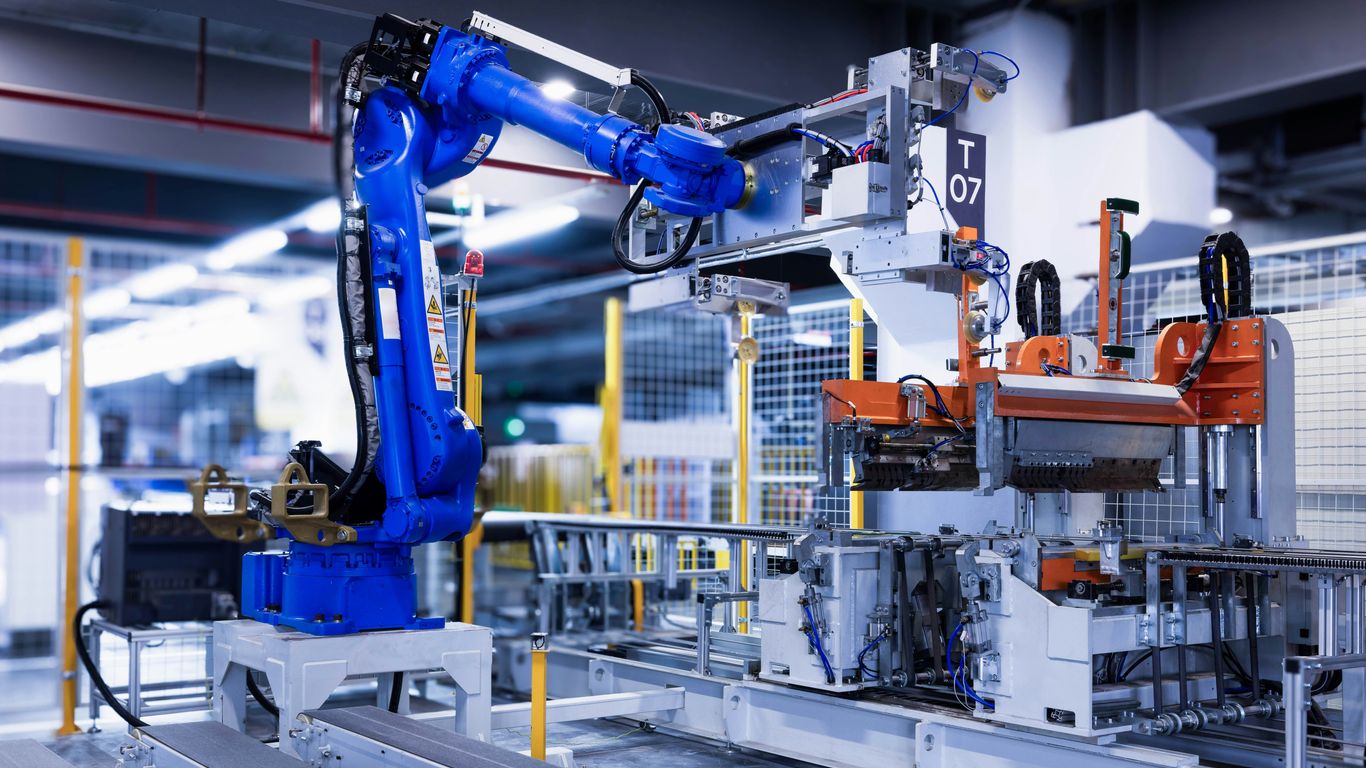
The development of this platform centers on an AI-first architecture that treats the machine as an integrated learning agent. This generation builds on the success of prior versions, refining the interaction between vision-language models and physical motor outputs. By prioritizing real-time inference, the robot can process visual feedback and adjust its spatial movements with increased precision.
Commercial readiness is the primary differentiator for this hardware, specifically in manufacturing logistics where tasks are repetitive but require high variability. The integration of advanced haptic feedback allows for the safer handling of sensitive components. Early testing shows that this technology enables Figure 03 to excel in environments where humans and robots must work in close proximity safely.
Operational performance is continuously evaluated against traditional automation tools to ensure a clear economic advantage. The development cycle emphasizes not just hardware capability, but the software stack's ability to generalize across different factory floor layouts. Moving forward, the focus shifts to creating a resilient platform that adapts to changing job requirements without needing a complete reprogramming.
3. Boston Dynamics all-new electric Atlas
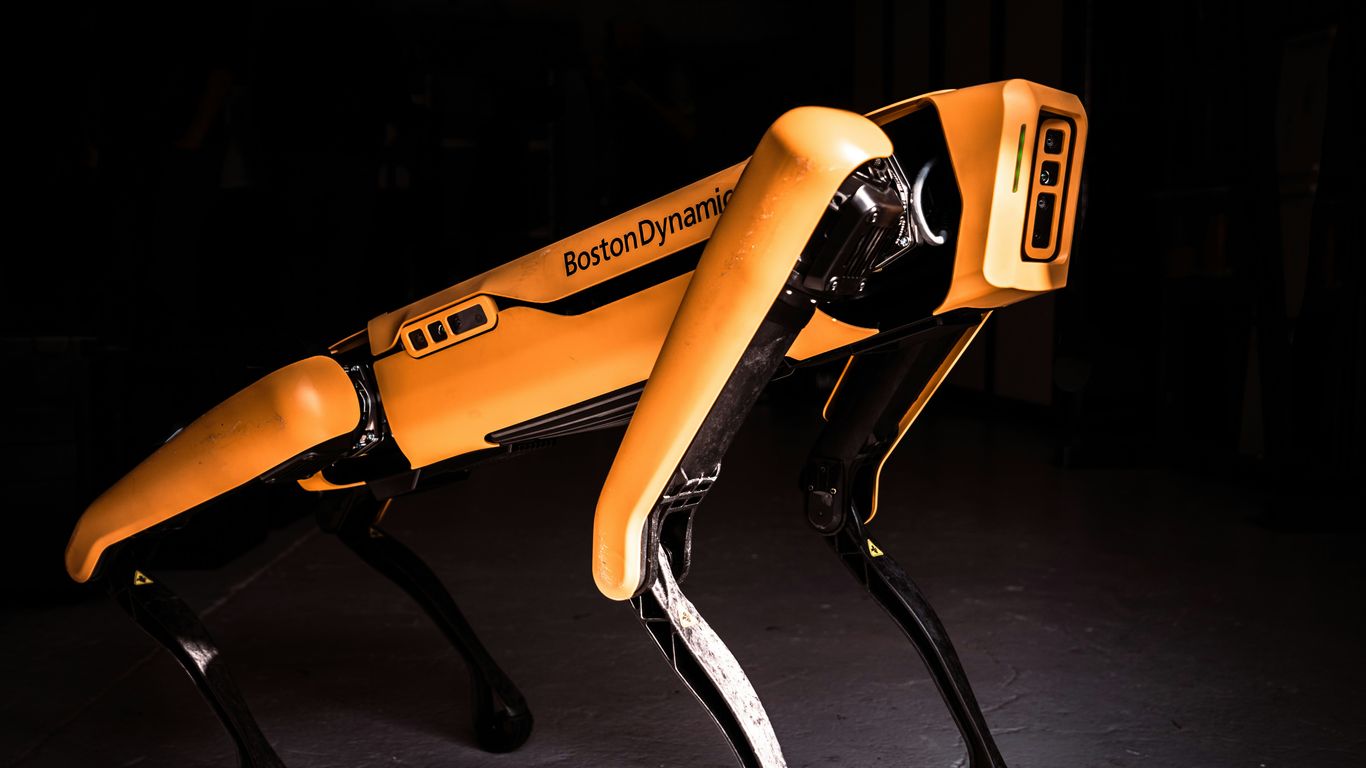
The electric transition for this platform marks a departure from hydraulic systems, focusing on power density and operational quietness. This version of Atlas is engineered to tackle warehouse-grade logistical tasks that require long periods of continuous movement. By eliminating complex fluid systems, the platform reduces maintenance overhead while gaining significant agility in confined aisles.
Integration into existing industrial workflows is supported by a robust sensor map that creates a digital twin of the operative workspace. This allows the system to predict potential obstacles and adjust its gait dynamically. The following table highlights the performance goals for current industrial test sites:
| Feature | Performance Goal | Impact |
|---|---|---|
| Battery Life | 8+ Hours | Continuous Shift |
| Payload | 20 kg | Versatile Handling |
| Throughput | High Volume | Supply Chain Speed |
Data from these trials suggests that a highly reliable hardware foundation is the critical factor for adoption in logistics hubs. The engineering philosophy here emphasizes biomechanical emulation to allow the robot to move naturally through human-centered spaces. By solving for these basic spatial challenges, the platform establishes itself as a core component for modern high-efficiency facilities.
4. Unitree G2
The G2 hardware focuses on providing high-performance bipedal movement at a lower cost profile compared to industry incumbents. This strategy relies on rapid assembly techniques learned from the consumer drone industry to keep production costs competitive. Engineers have streamlined the joint structure to maximize torque density while minimizing the system's overall mass.
Software-defined autonomy is leveraged to allow the unit to perform routine tasks with minimal intervention from human operators. The onboard compute architecture prioritizes local data processing to reduce latency during interaction. This results in faster decision-making when the robot encounters unexpected changes in its physical environment.
As adoption grows, the focus remains on standardizing the API for third-party developers. By opening an ecosystem for auxiliary applications, the company aims to broaden the use cases for its hardware beyond simple logistics. This approach should accelerate internal development as it grows to incorporate feedback from diverse research environments globally.
5. Sanctuary AI Phoenix generation updates
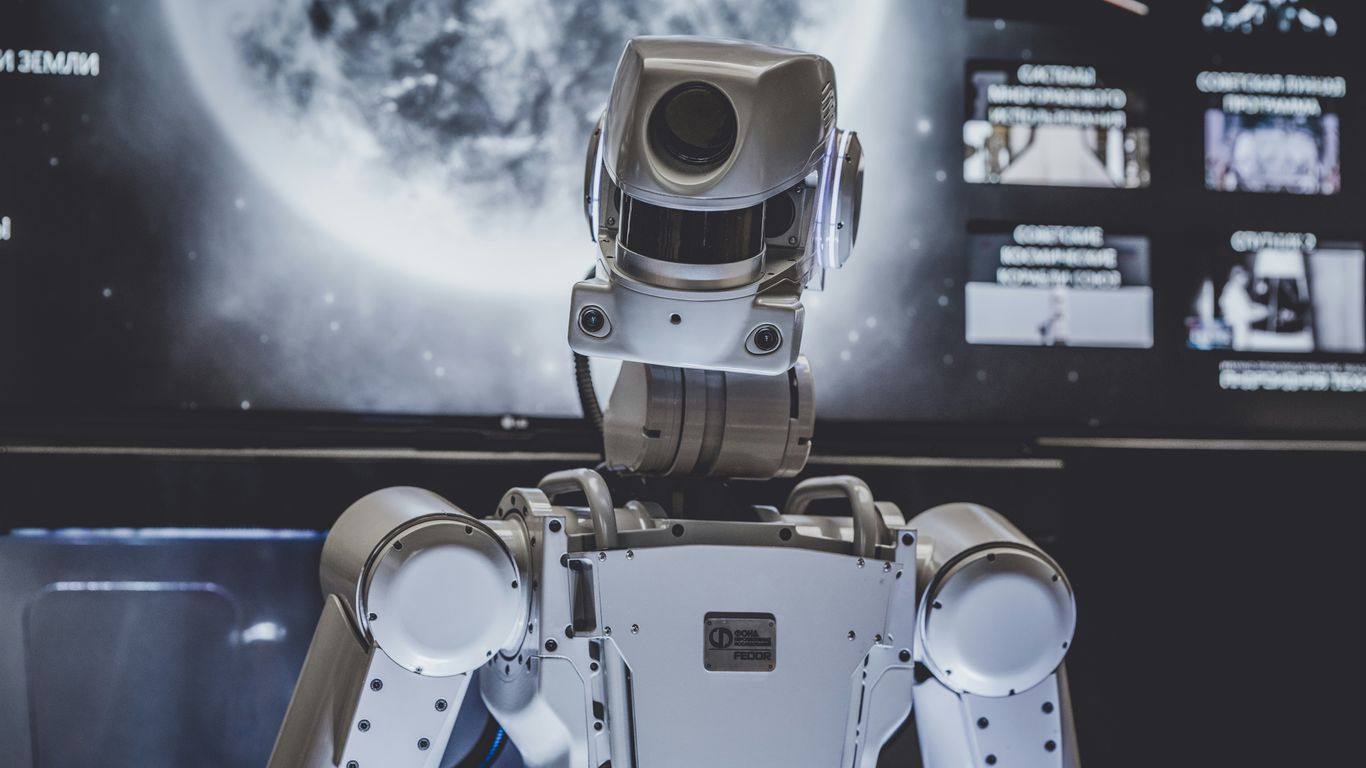
The latest updates to this generation of Phoenix shift the focus toward a hardware-agnostic software philosophy. By detaching the control logic from specific mechanical configurations, the system gains the flexibility to operate across various bipedal chassis layouts. This modular approach allows for rapid testing and performance iteration without altering the base physical design.
Artificial intelligence remains the primary driver of capability, with the team focusing on building more intuitive interaction models. The system excels at tasks that require fine-motor skill, such as sorting small items or managing delicate cable connections in industrial settings. These advancements ensure that the machine can maintain high accuracy even when physical conditions are less than perfect.
Scaling this technology across different facilities will involve standardizing the integration of diagnostic sensors. By ensuring consistent data ingestion across all deployed units, the system can improve its performance through shared learning. This creates a feedback loop where every robot contributes to the overall stability of the shared software architecture.
6. Fourier Intelligence GR-2
The GR-2 platform has been tailored to solve the challenges of human-assisted tasks, particularly in high-precision scenarios. By refining the range of limb motion, the engineering team has enabled the system to interact with tools designed for human ergonomics. This focus makes the robot highly effective in collaborative setups where tools are shared between the humanoid and its human counterparts.
Natural language understanding is integrated directly into the motor control sequence to simplify human-machine interaction. Instead of complex code, the operator can provide high-level objectives that the robot translates into a series of physical motions. This capability serves to lower the barrier for non-engineers to manage the robotic workforce on a day-to-day basis.
Future updates are expected to expand the visual sensory array for better depth perception. This will allow the robot to handle more complex navigation tasks in dimly lit or cluttered storage environments. Sustained investment in hardware reliability will likely define the success of this platform in the competitive market of industrial automation.
7. Appotronics Walker S
The Walker S system emphasizes a robust design intended for long-term usage in controlled environments. Its structural integrity is a result of advanced material selection that ensures durability under the stress of daily operation. The platform is designed to interface seamlessly with existing automation infrastructure, allowing for quick deployment in modern factories.
Control systems in this iteration utilize a distributed computing approach to manage the massive data streams generated by its sensors. This results in low-latency performance that is essential for real-time safety protocols. The system is programmed to prioritize human presence, ensuring that it slows or stops when it detects unexpected movement in its path.
- Improved joint sensors for better feedback loop accuracy
- Integrated safety protocols for multi-human workspaces
- Advanced battery management system for sustained operation
- Modular chassis for quicker maintenance cycles
These features demonstrate a commitment to creating an essential tool for high-precision manufacturing. By refining these core metrics, the platform provides a predictable output that satisfies the requirements for industrial efficiency and safety compliance.
8. Agility Robotics Digit commercial iterations
The most recent updates to these systems prioritize the commercial viability of Digit in warehouse settings. Unlike platforms designed for research, this machine is hardened for facility-grade durability. It is designed to move boxes from high shelves to ground-level conveyors with minimal human help, making it a key solution for logistics firms looking to alleviate labor shortages.
Integration with existing warehouse management software ensures that the robots receive operational instructions directly from the warehouse control center. This eliminates the need for manual oversight and allows for the seamless scaling of the robot fleet. The system's ability to navigate dynamic floors with moving carts and human workers remains its strongest commercial asset.
Reliability testing has been the main focus of this quarter's development. By subjecting the hardware to accelerated wear cycles, the team identified and resolved potential points of failure before full-scale deployment. This rigorous debugging process is what distinguishes the platform in the increasingly crowded market of automated logistics providers.
9. 1X Technologies NEO
The design of NEO aims to push the boundaries of how humanoids interact with domestic and professional environments. It is built to prioritize safety during close-contact scenarios, utilizing soft-touch materials that minimize risk during collaborative tasks. This focus helps the system become more than just an industrial machine, opening the path for its role in consumer-centric spaces.
Spatial intelligence allows the robot to build a mental map of its surroundings, enabling it to avoid furniture and other obstacles without constant mapping. The AI model is trained on a massive dataset of human behaviors, which helps the system predict the movement of people in its immediate vicinity. Such anticipatory logic is a crucial capability for safe integration into non-industrial settings.
Ongoing refinements to the hand dexterity suggest that future versions will handle delicate objects with even greater accuracy. The developers are focused on ensuring that the physical interface remains intuitive enough for widespread adoption. As the industry matures, the ability to operate safely in unstructured home environments will determine the long-term success of this flagship platform.
10. Kepler Forerunner series
The Forerunner series is designed to serve as a versatile utility platform for complex tasks. It distinguishes itself by utilizing high-degree-of-freedom actuators that allow for complex joint articulation. This level of mobility enables the machine to navigate stairs, ladders, and other obstacles that are traditionally difficult for wheeled robots to traverse.
Power management is optimized through a smart energy distribution system that shifts load away from idle limbs to conserve battery life. This optimization allows the robot to perform extended missions without needing a charge. It is a critical advantage for operations in remote or inaccessible areas where downtime must be kept to an absolute minimum.
Future developments will focus on enhancing the autonomous sensor suite to improve performance in outdoor conditions. By strengthening the external housing and hardening the internal electronics, the system will be capable of enduring varied environmental challenges. This commitment to adaptability ensures that the platform remains a relevant solution for a wide range of industrial and utility-based requirements.
Conclusion
The convergence of scalable hardware production, affordable compute, and refined foundation models marks the beginning of a genuine industrial transition. By 2026, the industry has clearly shifted toward deploying robots that provide measurable utility in factories and warehouses. While consumer-ready models continue to iterate in laboratories, the commercial sector is currently defining the market through demonstrated efficiency and safety. As labor dynamics continue to evolve in key global markets, these humanoid platforms are increasingly seen as the logical step toward maintaining productivity. The focus clearly remains on bridging the gap between sophisticated research and everyday operational reliability in complex, human-centric spaces.
Frequently Asked Questions
Are humanoid robots becoming cheaper to manufacture?
Mass-production techniques and refined actuator designs are beginning to lower the cost barrier to entry for commercial deployment.
How do these robots manage complex environments?
Advanced onboard sensors and foundation models allow machines to perceive the geometry of a room, creating adaptive paths around obstacles in real time.
When will humanoid robots be available for home use?
Small-scale implementations are currently under development, but wide consumer adoption awaits further proof of safety and reliability standards.
What are the main challenges to scaling production?
Engineers must grapple with the high complexity of whole-body control software and the physical durability requirements of long-term industrial operations.
How does AI improve robot mobility?
AI models enable robots to learn from observational data, allowing them to adjust their balance and movement patterns much like a human would.
Are these robots safe to work around?
Modern systems incorporate collision detection and low-force interaction technologies to ensure they pose minimal risk in shared industrial workspaces.
Will robots replace all human labor?
Robots are primarily being developed to assist with repetitive, dangerous, or physically taxing tasks, augmenting human effort rather than replacing it entirely.