Key Takeaways
The industry is transitioning from specialized industrial robots to versatile humanoid machines capable of performing tasks in unstructured environments. Following are the core themes driving this evolution:
- The shift toward robots that integrate into existing infrastructure without requiring costly facility re-tooling.
- Scaling operations through artificial intelligence models that learn by observation rather than manual code.
- The crucial role of venture capital in bridging the gap between prototype and commercial product.
- A divergence in hardware design philosophies, ranging from safety-focused domestic units to industrial-grade logistics platforms.
- Data collection via teleoperation as a primary method for bootstrapping autonomous capability in manufacturing settings.
The landscape of general-purpose humanoid robotics
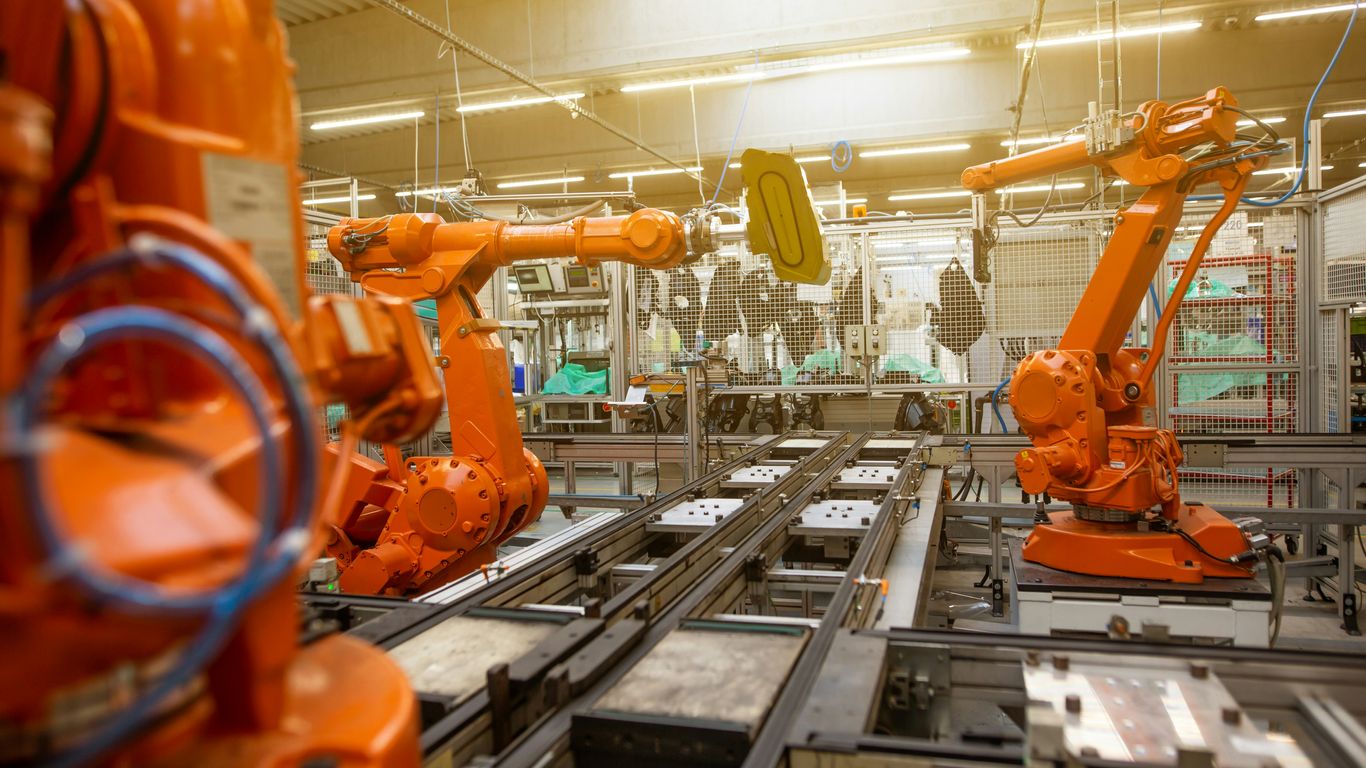
The shift from industrial automation to versatile machines is accelerating as hardware improvements in actuators and sensors coincide with advancements in foundation models. Traditional industrial robots operate within rigid, predefined paths, whereas the current generation of humanoid robots is designed to interpret and manipulate varying physical environments. This transition represents a fundamental move toward embodied artificial intelligence where the mechanical chassis serves as an extension of the cognitive software layer.
The shift from industrial automation to versatile machines
Modern development efforts are focused on creating systems that do not require specialized factory environments. By leveraging existing human workspaces, these developers reduce the overhead typically associated with robotic implementation. This adaptability relies on refined perception systems that allow a robot to identify objects and navigate human-centric spaces effectively.
Critical software and hardware integration challenges
Successful deployment requires overcoming latency issues in real-time control, which is where Physical AI integration becomes paramount. Achieving fluid movement requires tighter synchronization between sensor input cycles and mechanical actuation. Developers are increasingly moving away from hard-coded responses to training models on large-scale datasets, a process that inherently demands significant computational resources.
Strategic implications of venture capital and corporate partnerships
Building a robotics startup involves immense capital expenditure on material science and custom hardware engineering. The following table illustrates the strategic resource landscape as observed in the market today.
| Company | Focus Area | Primary Strategic Goal |
|---|---|---|
| Figure AI | Autonomous Manufacturing | General-purpose manual labor replacement |
| 1X Technologies | Domestic/Industrial Safety | Human-robot interaction and safety scaling |
| Agility Robotics | Warehouse Logistics | Operational integration and reliability |
These organizations demonstrate that competitive positioning in the humanoid robotics industry is rarely just about mechanical engineering; it involves securing long-term supply chain access and aligning with operational partners who can validate robot utility in real-world scenarios.
Figure AI and the pursuit of autonomous intelligence
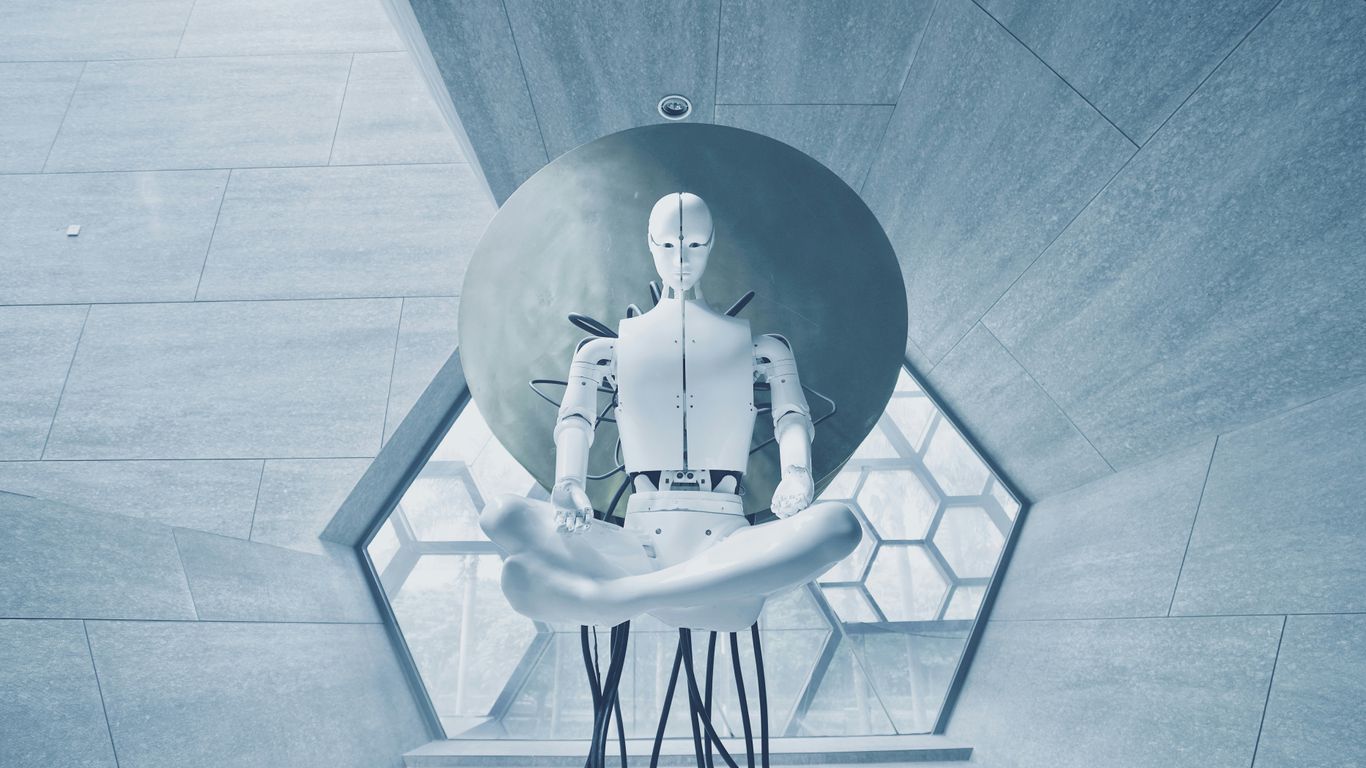
Figure AI targets the high-attrition, repetitive labor market by designing machines that mimic human physiology to handle complex logistics. Their approach focuses on creating a general-purpose workforce architecture capable of addressing labor shortages. By deploying machines that can be slotted into current facilities, the company aims for rapid utility.
Core vision for replacing repetitive manual labor
The vision is to automate tasks that contribute to high employee turnover while bypassing the need to modify infrastructure. This requires the robot to understand visual cues and perform tasks with a level of dexterity previously reserved for human operators.
OpenAI collaboration and the role of large multimodal models
The integration of sophisticated AI models provides a method for high-level reasoning and task planning. These multimodal systems enable the robot to understand natural language instructions, potentially reducing the cognitive burden on human supervisors and facilitating a more collaborative workflow.
Key hardware progress and early pilot testing milestones
Early testing has focused on proven industrial use cases. The company has moved through several development cycles, shifting from research laboratory stages to live facility interactions. Implementation milestones include:
- Pilot deployments in automotive manufacturing environments.
- Validation of energy-efficient electric actuation systems.
- Refinement of gripper dexterity for variable handleable weight.
- Optimization of navigational policies in dynamic settings.
These milestones indicate a maturing technological readiness level that moves beyond static demos toward sustained operational hours.
1X Technologies and the safety-first development cycle
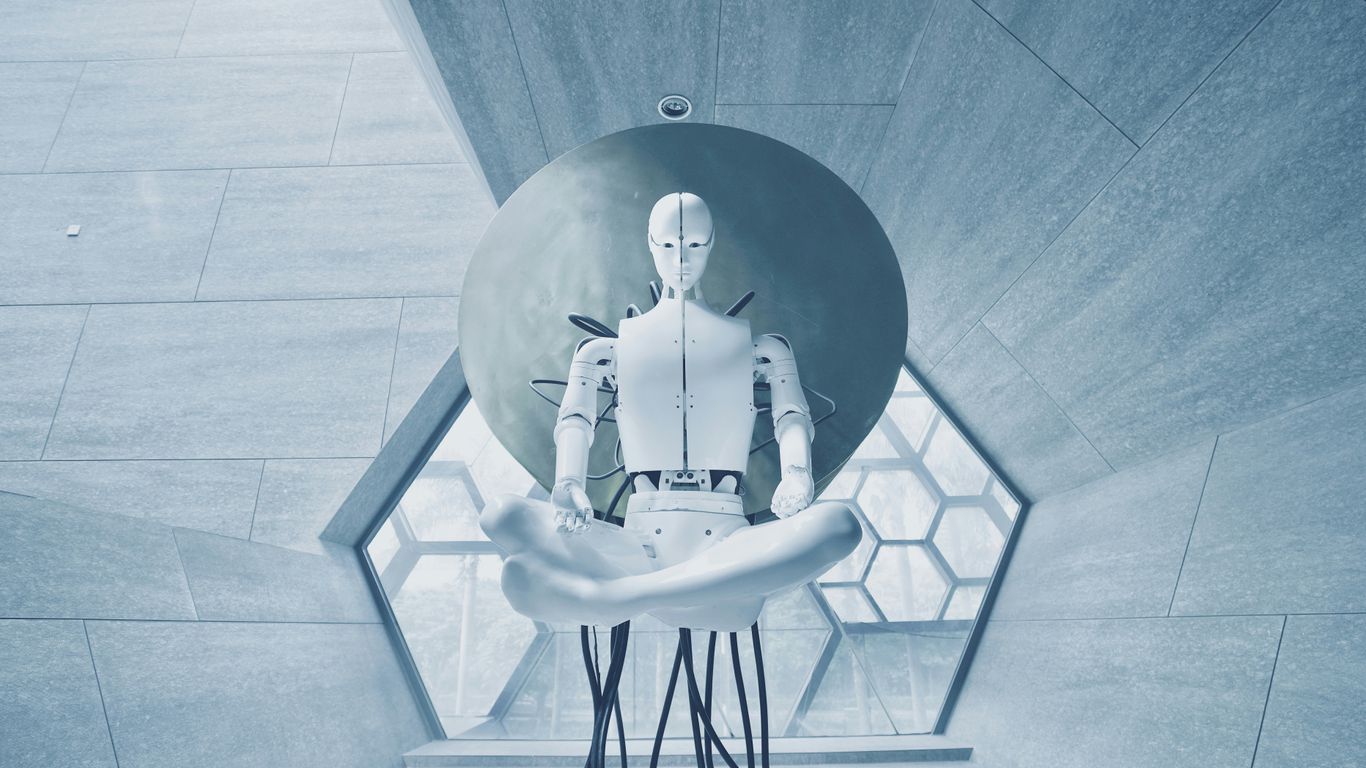
1X Technologies emphasizes a safety-first development cycle, prioritizing interaction stability above speed of deployment. Their approach often involves designing machines that can safely exist alongside human personnel in unstructured spaces. This requires a rigorous testing methodology to ensure that collision or system errors occur within predictable parameters.
EVE and NEO platform design philosophies
The EVE and NEO platforms are engineered to function in collaborative settings. These designs prioritize kinematic stability, allowing the robots to balance effectively while moving through populated areas. The hardware choices reflect a commitment to safe human-robot interaction in both commercial and non-commercial environments.
Teleoperation as a strategy for training data collection
Collecting high-quality data is essential for teaching robots how to handle the nuances of a workspace. Teleoperation acts as a bridge, allowing human experts to demonstrate tasks that a machine then learns to replicate. This strategy essentially crowd-sources the learning process while preserving safety standards before any unsupervised task is attempted.
Prioritizing human-robot interaction safety in industrial settings
Designing for proximity requires assuming that hardware failure or environmental volatility is inevitable; therefore, the physical architecture must be intrinsically compliant rather than rigid.
The focus remains on building trust between traditional human workers and their robotic counterparts. This involves visual signaling and predictable motion patterns that communicate intent clearly, ensuring that personnel feel secure while working in close range.
Agility Robotics and the Digit logistics blueprint
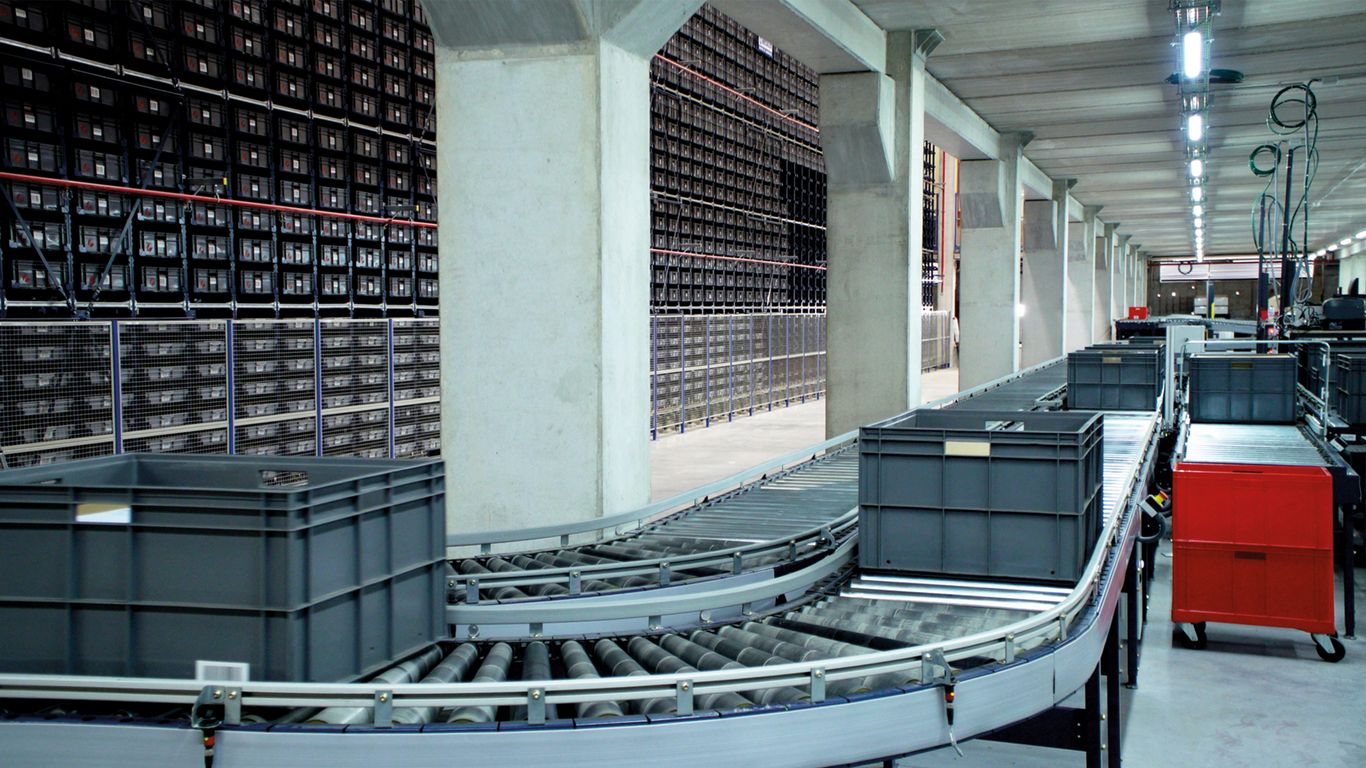
Agility Robotics has concentrated heavily on the logistical utility of its bipedal hardware. By focusing on standardizing the logistics blueprint, the company aims to turn their hardware into a reliable piece of warehouse infrastructure. This narrow commercial focus has allowed them to iterate rapidly on durability and uptime metrics.
Commercial focus
The Digit logistics approach is centered on integration with existing warehouse management systems. By prioritizing high-frequency, boring tasks like trailer unloading, the company ensures that its engineering efforts target actual bottlenecks holding back warehouse efficiency. This commercial rigor informs every design decision, from battery life management to the complexity of the autonomous mobile warehouse robots software stack.
Conclusion
The trajectory of the humanoid sector confirms that physical utility is the ultimate metric of success. As these organizations evolve, the difference between lab-bound concepts and viable industrial agents will broaden, favoring those who prioritize modular, deployable hardware and scalable AI models over mere demonstration. Establishing Figure AI vs 1X vs Agility Robotics vs Apptronik as the primary pillars of the current race reveals that while the hardware remains complex, the focus on integration into existing human workflows is the common ground for all innovators in the field.
Frequently Asked Questions
How will humanoid robots handle unstructured environments?
These machines rely on advanced sensor suites and perception models that interpret visual and physical space in real-time, allowing them to adjust paths and manipulation strategies as obstacles arise.
Are humanoid robots intended to replace human jobs completely?
The current deployment strategies focus on automating repetitive and hazardous tasks to address labor shortages, aiming to augment the human workforce rather than eliminate it.
What are the main limitations in current humanoid designs?
Key challenges include battery endurance, actuator longevity, and the latency of software-driven decision-making when performing complex, multi-step tasks in dynamic settings.
How do these robots learn new tasks?
Most systems utilize a combination of teleoperation, where humans physically demonstrate movements, and reinforcement learning, where internal software models analyze large datasets to optimize motion for efficiency.
Why is the mobile, bipedal form factor favored?
This design provides access to spaces specifically built for humans, such as narrow aisles, staircases, and elevated platforms, which traditional wheeled robots cannot effectively navigate.
What safety measures prevent robotic accidents?
Manufacturers incorporate software safeguards that limit force, physical soft-materials for collision damping, and behavioral protocols that prioritize predictable motions when humans are detected nearby.
How is the success of a humanoid robot measured?
Success is typically evaluated through uptime reliability, the ability to operate successfully in production environments without specialized infrastructure, and the total cost of ownership compared to manual labor.