Key Takeaways
Physical AI merges foundational intelligence with physical mechanics, enabling autonomous systems to act within unpredictable, unstructured environments. The following summary captures the progression of this field and its industrial implications:
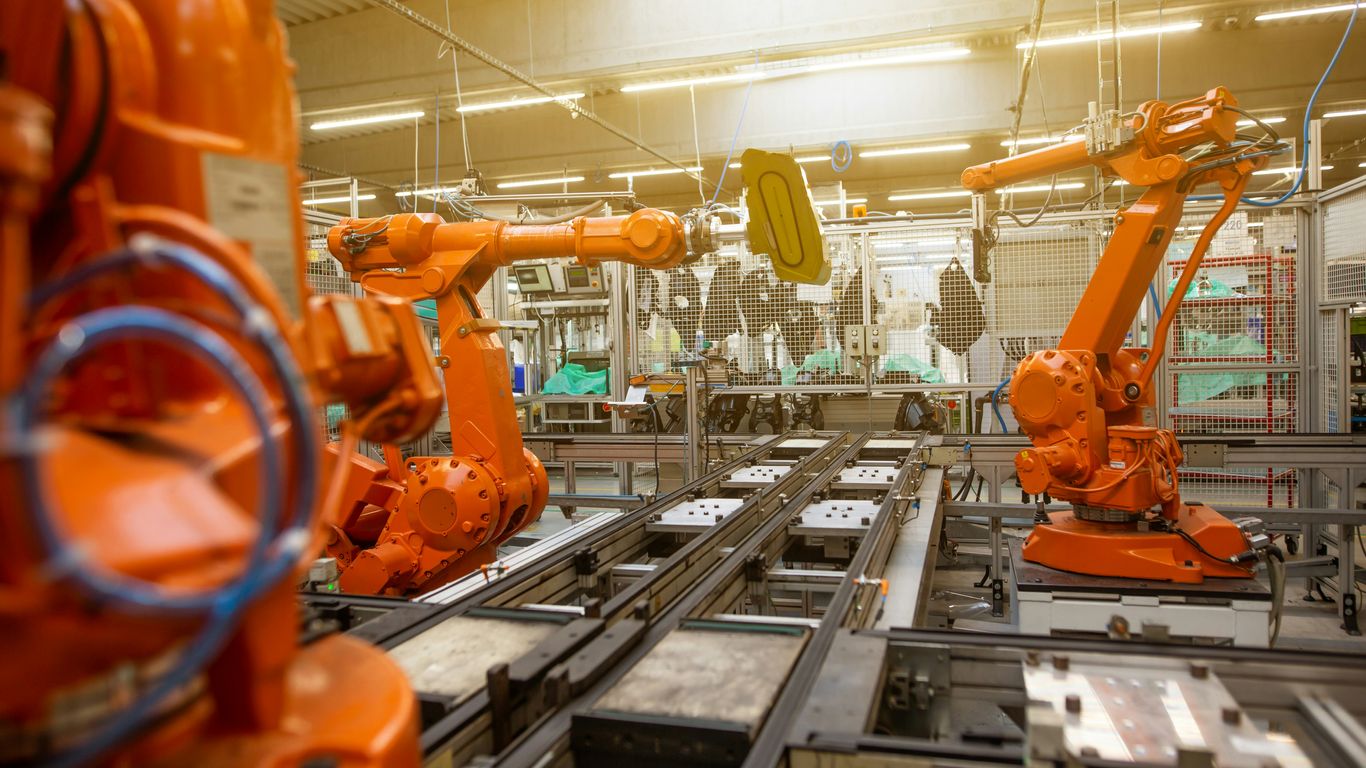
- Physical AI represents the transition of machine intelligence from purely digital environments to real-world embodiment.
- Digital twins enable high-fidelity simulation, allowing foundation models to be trained safely before deployment.
- Industrial applications are evolving from scripted, repetitive tasks to adaptive operations in environments like warehouses and construction sites.
- Real-world deployment faces persistent hurdles, specifically regarding safety, power density, and the latency of edge computation.
- Future advancements depend on the convergence of soft materials, scaling vision-language-action models, and the rise of general-purpose humanoid form factors.
Defining Physical AI
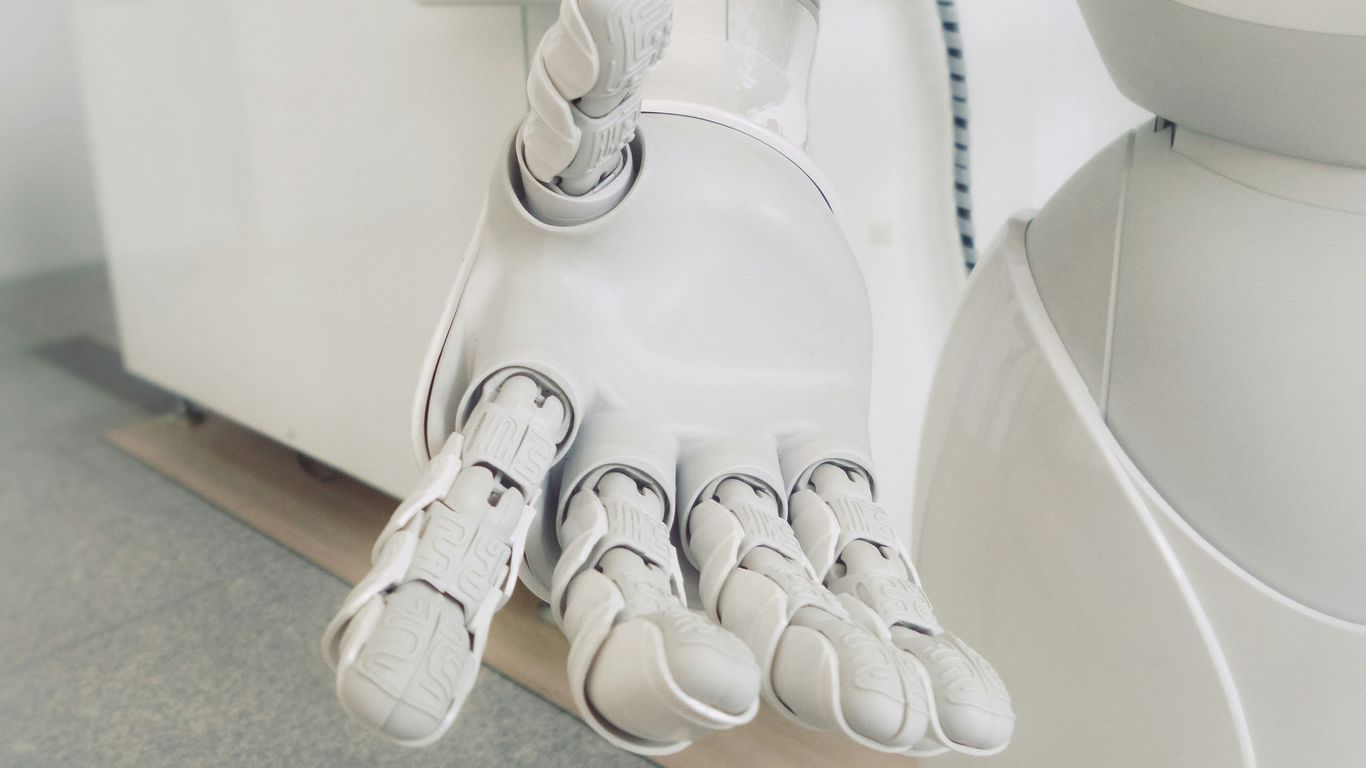
Physical AI constitutes the shift where artificial systems no longer operate solely on servers but possess the sensory and motor capability to respond to the tangible world. Unlike traditional software-reliant models, these systems maintain a closed loop where external stimuli directly modulate internal model state and subsequent physical output. This integration of silicon-based logic with kinetic action allows machines to perform tasks historically reserved for human dexterity.
The evolution of robotics and AI
Robotics has historically relied on rigid, rule-based programming that functioned efficiently only within constrained, static environments. The arrival of modern machine learning allows for a departure from purely scripted paths toward probabilistic decision-making. Researchers are now prioritizing systems that can interpret sensor data in real-time to adjust their physical trajectory, signaling a shift from closed-loop automation to genuine autonomy.
Core differences between digital and physical intelligence
Digital intelligence manages abstract, byte-level data representations while physical intelligence must manage the entropy of the material world. A digital agent might encounter a syntax error and recover in milliseconds, but a physical agent facing a mechanical collision must navigate kinetic forces and hardware constraints. Understanding this distinction is vital, as the Physical AI movement requires models to internalize laws of physics in their action planning.
How sensors and actuators bridge the gap
Sensors operate as the eyes and ears of a physical system, capturing structural environmental variables, while actuators translate high-level commands into physical force. Successful integration requires a high-bandwidth exchange between vision systems and fine-motor control, minimizing the latency that often disrupts interaction. This ensures the robot maintains a fluid and responsive motion across complex landscapes where every physical contact creates immediate feedback.
Essential technologies powering Physical AI
Building robust autonomous platforms requires a tightly coupled architecture of simulation and hardware. These systems rely on synthetic datasets to bridge the reality gap, ensuring that models perform reliably when they transition from the virtual test environment to the actual field. Developers are now utilizing sophisticated ecosystems to build high-fidelity environments before putting hardware into motion.
Digital twins for simulation and testing
Digital twins serve as the staging ground for complex deployments, offering a sandbox that respects physical constraints and real-world semantic properties. By utilizing virtual replicas, engineers perform stress tests safely, reducing the time required for iteration before deploying to production floors. This simulation-centric workflow is central to managing the massive data throughput needed to train foundation models effectively.
Foundation models for embodied agents
Generalist models are moving beyond language to incorporate visual and motor tokens, creating a unified architecture for embodied reasoning. These models allow a single controller to manage diverse physical tasks, shifting away from narrow, task-specific heuristics. Modern infrastructure relies on these architectures to map multimodal inputs directly to motor output, enabling a more adaptive approach to object recognition and path manipulation.
Advanced compute for real-time edge processing
Real-time performance requires on-device compute that maintains low latency without sacrificing the complexity of the neural network. The table below outlines common architectural approaches for processing these high-dimensional inputs in real-time:
| Approach | Latency | Complexity | Ideal Use Case |
|---|---|---|---|
| Pure Cloud Inference | High | Very High | Non-critical tasks |
| Edge-Cloud Hybrid | Medium | High | Adaptive navigation |
| Optimized Edge Compute | Ultra-Low | Moderate | Real-time safety |
These processing strategies allow robots to make decisions in the milliseconds between sensing an obstacle and needing a steering adjustment. Innovations in model compression, such as those discussed in quantization for machine learning, ensure that even large models operate efficiently on mobile power constraints.
Industrial applications and use cases
Commercial adoption is accelerating as systems gain the reliability required for facility-grade operations. While early experiments were limited, we are seeing a shift toward deploying platforms that provide measurable ROI through increased throughput and safety, as highlighted by Physical AI market analysis indicating significant expected growth in the coming years.
Automated logistics and warehouse management
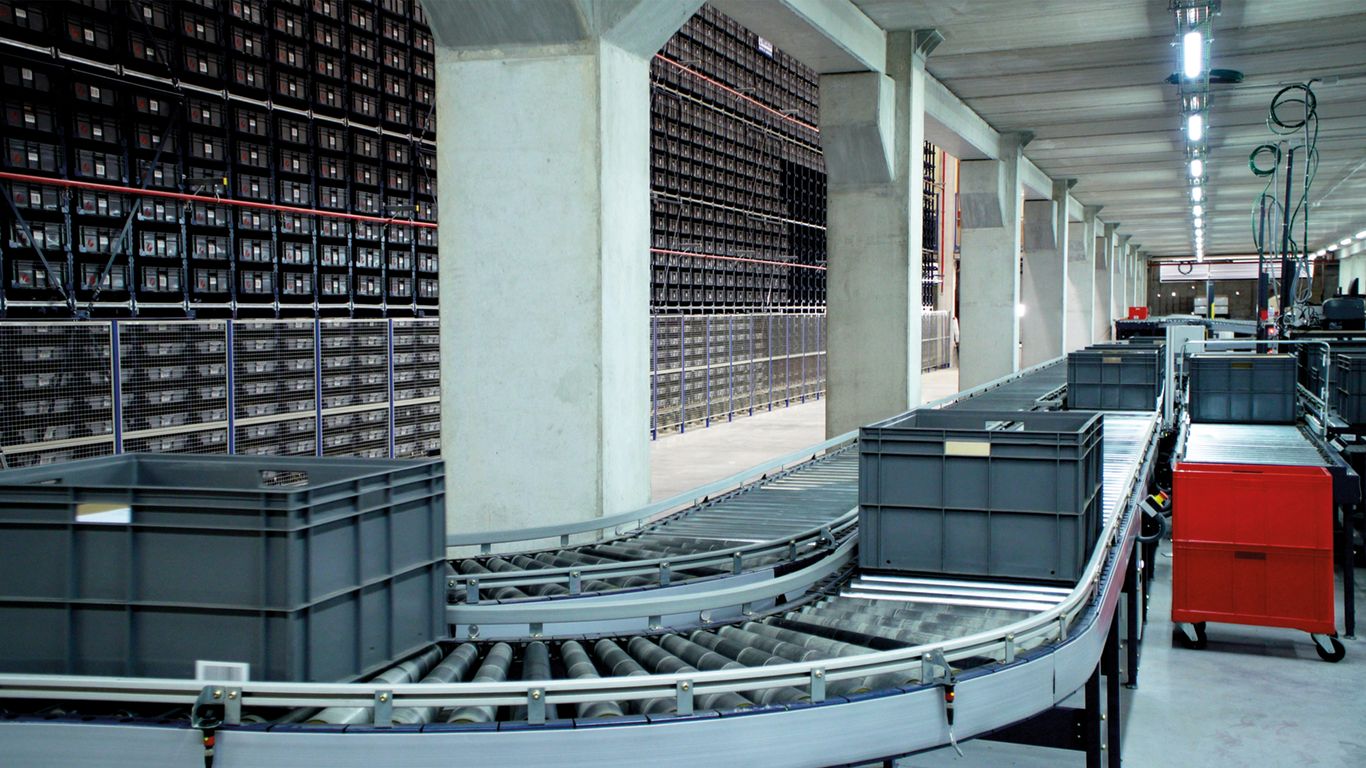
Logistics hubs are the primary beneficiaries of early deployment, where machines now recognize, sort, and fulfill individual orders at scale. The operational requirements for these environments include:
- Precise item grasping in varying lighting conditions.
- Dynamic path rerouting to avoid human workers.
- Real-time inventory tracking integrated with backend systems.
- High-velocity movement across multi-story fulfillment centers.
These capabilities reduce human exposure to repetitive labor and improve pick-to-pack speed significantly.
Precision manufacturing and assembly robots
In manufacturing settings, Universal Robots utilizes industrial-grade safety protocols that allow machines to work in closer proximity to humans. These systems leverage force sensing to move from simple placement tasks to more nuanced assembly steps that require identifying component tolerance. This evolution moves the bottleneck from the hardware installation to the quality of the onboard software stack.
Autonomous navigation in unstructured environments
Navigation in spaces like construction sites requires high-level semantic reasoning to distinguish between debris and structural components. ANYbotics leverages LiDAR and thermal sensors to safely perform inspections on uneven, challenging surfaces that were previously inaccessible to wheeled autonomous platforms. These robots provide the necessary operational transparency to ensure proactive asset health management.
Key challenges in implementation
Deployment remains notoriously difficult because the real world is subject to persistent noise and unforeseen failure modes. Leaders must avoid the trap of assuming that larger models automatically solve physical unpredictability; when environments are volatile, uncertain environments require robust decision rules rather than just complex forecasts.
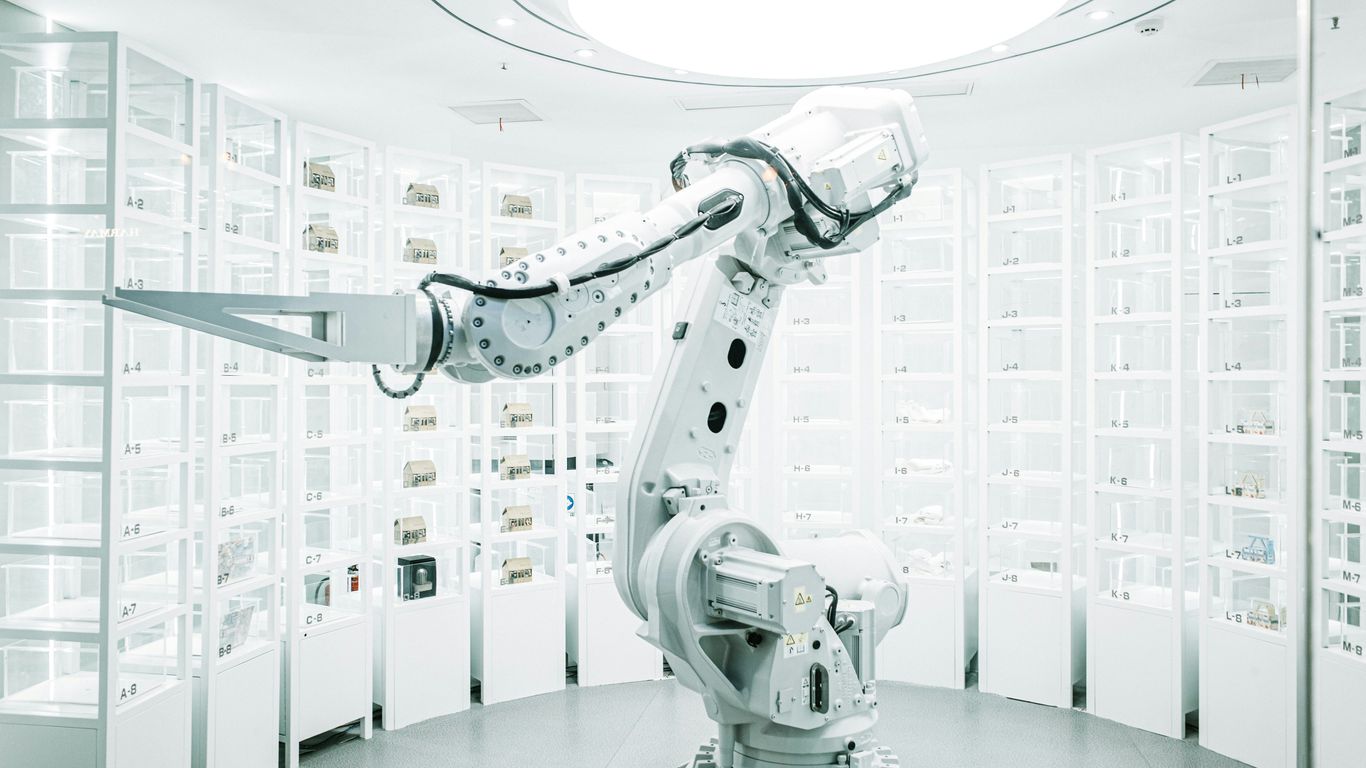
Safety requirements for human-robot collaboration
Safety is a non-negotiable imperative in any environment shared with human personnel. Designing for safety requires intrinsic hardware locks and software interlocks that verify sensor integrity before authorizing movement. Rigid adherence to these protocols is what distinguishes a commercial prototype from an actual facility-ready asset.
Complexity of real-world environmental variables
Generalization remains the hardest hurdle to clear, particularly when lighting, humidity, or texture variations impact sensory input quality. Real-world conditions often diverge from simulated datasets in subtle ways that only become apparent during long-term field operation. As noted by experts, these variables demand that agents possess both long-term and short-term memory to handle task longevity.
Constraints in power and energy efficiency
Energy density remains a significant limitation for mobile robots, dictating how many hours a machine can effectively cycle before returning to a dock. Optimizing for energy consumption involves balancing the computational intensity of the onboard AI with the mechanical demands of the chassis.
The transition to effective field deployment requires acknowledging that high-performance AI is inherently power-intensive. Engineers must therefore prioritize algorithmic efficiency at the hardware level, treating power cycles as a constraint alongside latency and precision.
This balance is critical for any fleet-based deployment where downtime is expensive.
Future trends in the Physical AI landscape
The rise of humanoid robotics
Humanoid form factors are emerging as the preferred architecture for environments originally built by and for humans. Agility Robotics has pushed this frontier by focusing on durability and specialized biomechanical design, providing a template for how anthropomorphic machines achieve stable navigation in unconventional terrain. These designs prioritize functional dexterity over aesthetic mimicry.
Advancements in soft robotics material science
Soft robotics promises to introduce compliance to machine interaction, allowing robots to handle fragile objects with high physical sensitivity. By utilizing new polymers and active materials, researchers are creating actuators that possess inherent safety, absorbing energy during potential collisions rather than transferring it as mechanical force.
Scaling models for generalized physical manipulation
Scaling vision-language-action foundation models will eventually lead to agents that require minimal retraining to complete entirely new physical tasks. This capability to maintain internet-scale knowledge while operating within a physical system is the next evolutionary step for general-purpose robotic autonomy. Such models will enable the next wave of flexible, high-utility automation.
Conclusion
The convergence of advanced sensor suites and embodied intelligence marks a major inflection point for how our industrial economy interacts with the physical plane. While hurdles in power, safety, and operational reliability remain, the shift from narrow, rule-bound robotics to adaptive, AI-driven machines is already providing tangible utility. Looking past the current hype reveals a long-term trajectory toward autonomous infrastructure capable of augmenting human effort in some of the most dangerous and demanding environments imaginable.
Frequently Asked Questions
How does Physical AI differ from traditional robotics?
Traditional robotics relies on rigid programming and fixed instructions to repeat narrow, repetitive tasks. Physical AI utilizes machine learning and foundation models to perceive, reason, and act in adaptive, unstructured environments, allowing for tasks that were previously too complex to script.
What role do digital twins play in training robots?
Digital twins provide a high-fidelity, physically accurate simulation environment that maps virtual results to the real world. This process allows developers to test robotic interactions and train models safely, generating massive amounts of synthetic data while eliminating the risks associated with early-stage physical testing.
Is Physical AI limited to humanoid shapes?
No, the benefits of Physical AI are applied across a wide range of architectures, including legged machines for inspection, specialized arms for manufacturing, and autonomous vehicle fleets. The choice of form factor depends entirely on the operational requirements and the nature of the environment where the robot will function.
Why is real-time edge processing critical?
Physical AI systems operate in a feedback loop that requires sub-millisecond responses to environmental stimuli. Relying on remote cloud processing introduces latency that can lead to physical collisions or inefficient movement, making onboard edge compute necessary to maintain safety and responsiveness.
How do robots learn to navigate unstructured terrains?
Navigating unstructured terrains involves training models on multisensory inputs such as LiDAR, thermal cameras, and gas sensors. These inputs are processed by sophisticated navigation algorithms that perform real-time SLAM and obstacle identification, allowing the machine to understand the 3D topology of surroundings it has never encountered before.
What are the primary safety concerns in collaborative environments?
Safety focuses on the machine's ability to identify and respond to the presence of human workers without collision. This is accomplished through redundant mechanical sensors, emergency software interlocks, and the capability of the AI to constantly monitor local movement to predict and avoid potential interaction hazards.
What is the biggest barrier to widespread adoption of Physical AI?
The two most significant barriers are the generalization gap, meaning the difficulty of performing reliable tasks in unpredictable environments, and the physical constraints related to power density and energy efficiency. Overcoming these requires both larger-scale model training and advancements in materials science and hardware architecture.