Key Takeaways
The landscape of industrial robotics is shifting as humanoid systems move from controlled laboratory settings into rugged, high-stakes operational environments. By 2026, the convergence of multimodal hardware and adaptive AI models is reshaping how organizations approach labor, safety, and infrastructure.
- Advanced dexterity in end-effectors allows for the manipulation of nuanced, non-uniform objects without custom tooling.
- Large action models provide the foundational logic for robots to navigate complex, changing industrial layouts independently.
- Strategic deployment is focusing on dull, dirty, and dangerous roles where human turnover is highest.
- Initial high capital expenditure is increasingly offset by significant long-term savings in operational and repetitive maintenance costs.
- Successful integration hinges on a phased transition that prioritizes safety, cybersecurity, and iterative employee upskilling.
Current state of humanoid robotics in 2026
The rapid evolution of bipedal platforms marks a departure from static, single-task machines toward general-purpose utility systems. By 2026, the industry has shifted away from purely exhibition-focused mechanics to robust architectures designed for long-term endurance. Researchers have realized that the primary barrier to adoption was not movement itself, but the inability to handle variation in unstructured space. Developers like Agility Robotics have prioritized biomechanics that mirror human ranges of motion to interact naturally with environments designed for people rather than specialized machines.
Advances in fine motor skills and dexterity
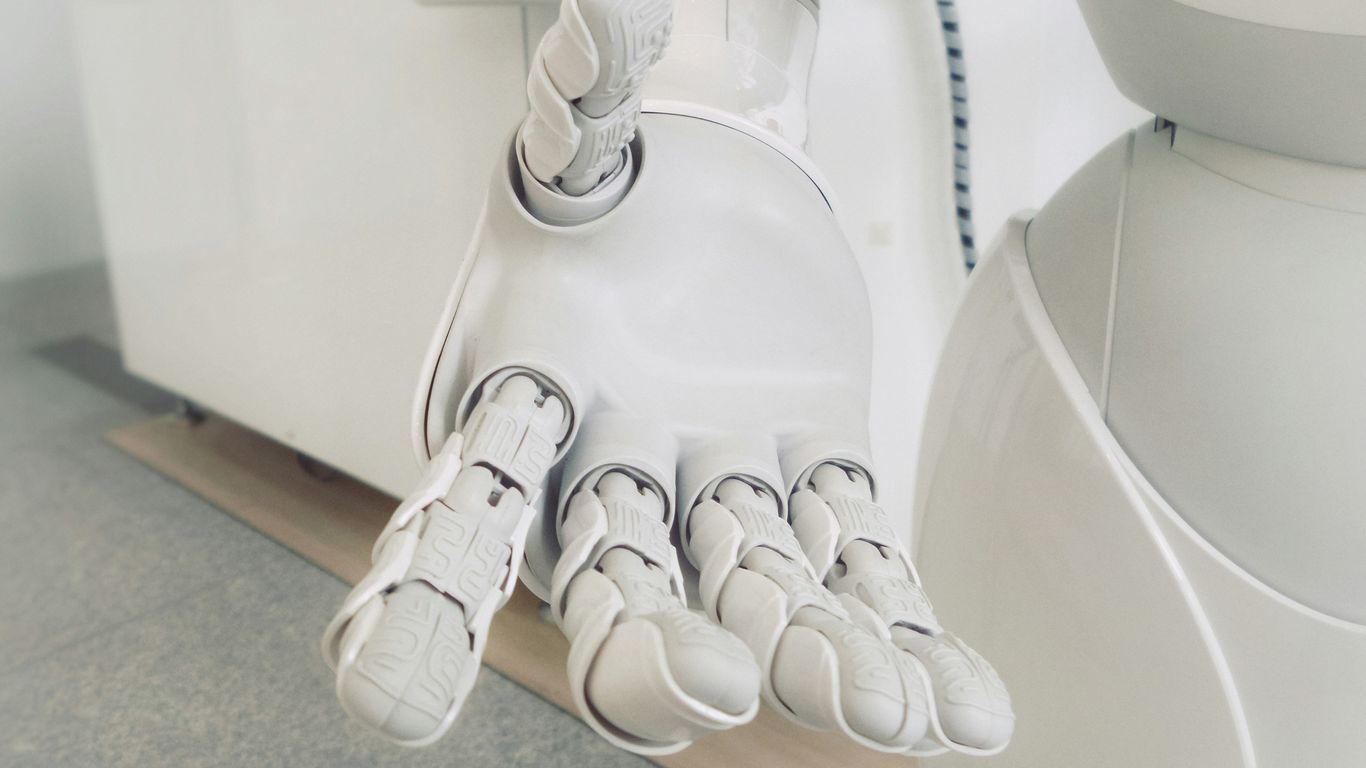
Modern end-effectors have reached a level of precision that enables the handling of fragile, complex, or irregularly shaped components. By incorporating tactile sensors and localized feedback loops, these systems can gauge pressure and grip force in real time, improving overall operational consistency across delicate assembly tasks. The ability to switch between heavy-duty lifting and fine-point manipulation makes these robots viable for diverse roles within the same manufacturing cell.
Integration of large action models for autonomous decision-making
Moving beyond simple pre-programmed paths, current humanoid agents leverage foundation-level models that process multimodal inputs. By observing video data and spatial maps, these systems can reason about physical intent, allowing them to adjust their trajectory when encountering unexpected barriers. This transition mimics human cognitive processing, reducing the latency associated with traditional centralized control systems and allowing for decentralized local decision-making.
Standardization of hardware and modular components
To manage the high cost of development, the industry is increasingly adopting standardized chassis designs and swappable modular components. This modularity ensures that if a sensor array or an actuator fails, the entire robot does not necessarily require full-factory refurbishment. By lowering the barrier to hardware maintenance, manufacturers are effectively reducing the total cost of ownership and ensuring these assets remain functional across longer lifecycles.
Sectors prioritizing humanoid robot adoption
Industrial sectors are identifying clear beachheads for implementation, focusing on environments where environmental changes are frequent but the core objective remains constant. The movement is driven by labor supply challenges and the inherent risks associated with manual tasks that cause repetitive stress injuries. Early adopters in the manufacturing sphere are discovering that these machines provide a predictable, tireless workforce that integrates easily into existing human-centric workflows.
Automotive and heavy manufacturing assembly lines
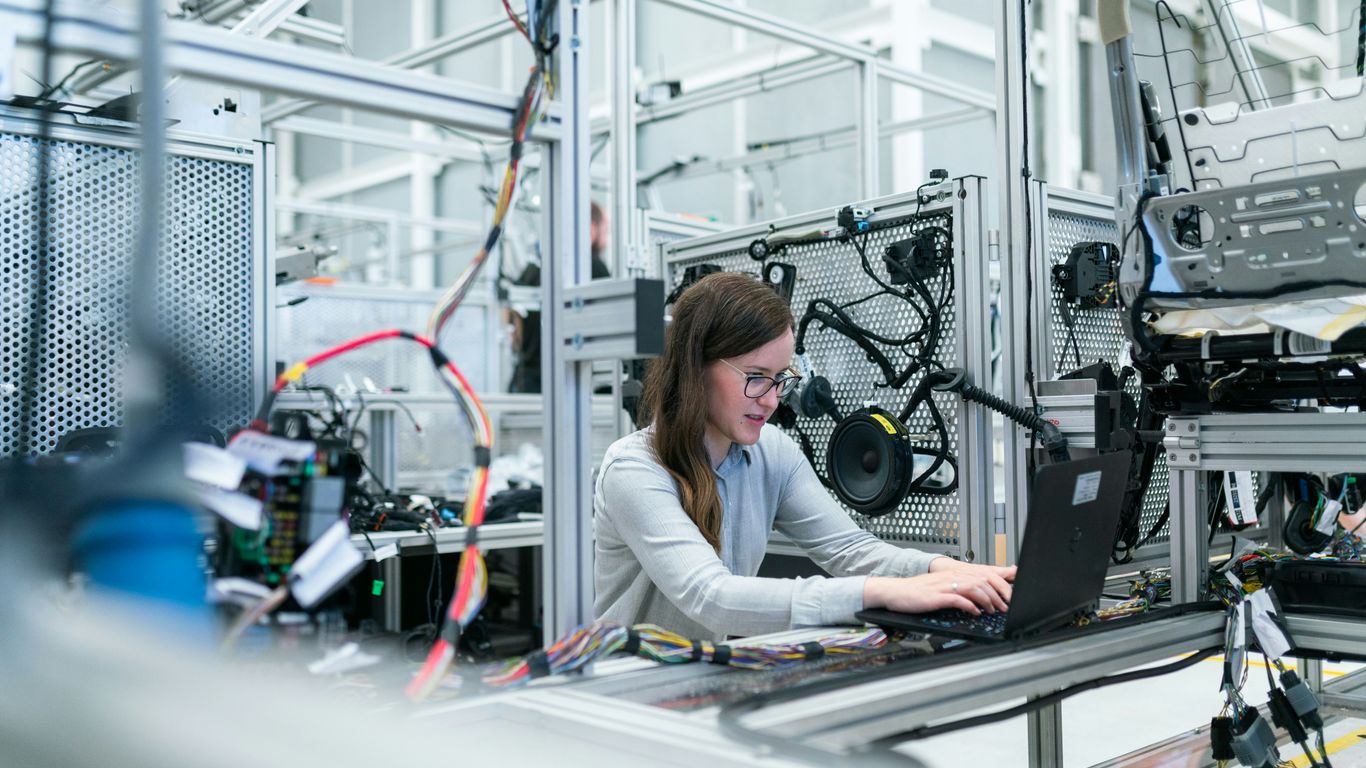
On the factory floor, the focus is on roles that require consistent reach and torque over long shifts. These robots replace or augment human workers in high-hazard areas, such as painting, welding, or heavy component installation. By offloading these tasks to machines, plants maintain steady output regardless of worker fatigue or site-specific labor fluctuations.
Large-scale logistics and warehouse fulfillment centers
Logistics operations require picking and placing a massive variety of items, a task that has historically proven difficult for static conveyors. Modern humanoid systems can now navigate aisles alongside human associates, identifying and handling diverse inventory without requiring a total redesign of warehouse storage racking. This flexibility lets operators scale throughput efficiently during seasonal surges.
Emergency response and hazardous environment operations
In disaster zones or high-radiation zones, human safety is the paramount concern. Humanoid robots are being deployed to conduct initial survey missions, clear debris, and provide logistical support in areas structurally unstable for human entry. These deployments focus on tele-operated oversight combined with autonomous obstacle avoidance to ensure mission success in chaotic surroundings.
Economic drivers and return on investment
The argument for humanoid adoption hinges on balancing the initial high acquisition cost against the long-term utility of a flexible, multi-purpose asset. While the hardware cost remains significant, firms are evaluating the lifetime value of an agent that can be reassigned between different tasks, unlike a fixed conveyor system that loses utility if the production line layout changes. This versatility serves as a hedge against capital expenditure risk.

Reducing operational costs versus initial capital expenditure
Organizations often compare the cost of manual labor vs. robotic systems using a projection of replacement cycles and energy consumption. The following matrix illustrates the general cost-benefit considerations for industrial adoption:
| Cost Category | Manual Labor Focus | Humanoid Robot Focus |
|---|---|---|
| Upfront Cost | Low (Hiring/Training) | High (Capital Spend) |
| Operational Cost | Variable (Wages/Benefits) | Fixed (Energy/Maintenance) |
| Versatility | High (Human Cognitive) | Medium (Model Updating) |
By analyzing these variables, organizations can create a long-term capital efficiency plan. Once the initial hardware investment is amortized over several years, the cost per successful task completion begins to drop significantly below manual baselines.
Filling labor gaps in aging populations
As global demographics show a contraction in the available working-age population, industries are facing chronic shortages of skilled and semi-skilled labor. Humanoids act as a force multiplier, allowing a smaller pool of human supervisors to oversee an increasing number of robotic agents. This model ensures that production schedules are maintained even as the human sector experiences demographic decline.
Scaling production for long-term maintenance cycles
Scaling these systems requires a commitment to comprehensive fleet management software, such as Figure 03 and similar platforms designed for large-scale operations. Over time, the software ecosystem handles updates, diagnostic checks, and optimization, creating a self-improving loop that extends the lifespan of the hardware infrastructure through iterative firmware improvements.
Critical challenges of real-world integration
While the excitement surrounding humanoid robots is palpable, the transition from controlled demos to the factory floor remains fraught with technical and environmental bottlenecks. Achieving consistent performance in non-idealized conditions requires overcoming substantial hurdles related to energy density and system communication. Experts agree that the current state of infrastructure is not yet fully optimized for high-density robotic integration.
Limitations of current battery life and energy efficiency
High-performance actuation requires significant power, which currently limits on-duty times. Most commercial robots still require frequent charging sessions, which can disrupt continuous assembly workflows. Engineers are testing modular battery swaps and optimized idle modes to mitigate this, but energy density remains a primary hurdle in extended operational viability.
Safety certification for human-robot proximity
When machines operate in spaces occupied by humans, the safety requirements are rigorous and often vary by region. Achieving compliance involves implementing multi-layered sensor suites—including Lidar, depth cameras, and tactile skin—to prevent accidental collisions. These safety features must pass stringent audit protocols before autonomous units can be fully integrated alongside human teams.
Navigating unstructured and unpredictable physical environments
Real-world spaces are not as ordered as laboratory testing zones. Spills, changing lighting conditions, and misplaced inventory pose challenges to vision-processing models. Companies that utilize 1x Technologies systems emphasize that adaptive software is needed to handle these anomalies, ensuring the robot can continue working even if its path is partially obscured or the terrain is slippery.
Societal and ethical considerations for the workplace
Introducing humanoid labor into a previously human-only workforce creates a complex set of cultural dynamics. Management must address these concerns transparently to prevent friction between human employees and their mechanical counterparts. Policies regarding task division should be clear, ensuring that robots function as tools for augmentation rather than instruments of displacement.
Navigating the balance between displacement and task augmentation
Automation is effectively utilized when robots handle dangerous or monotonous tasks, freeing human employees to focus on complex troubleshooting or supervisory oversight. Maintaining this balance ensures that high-value human labor is leveraged efficiently. It is crucial for leadership to communicate the purpose of the transition to maintain workforce stability.
Addressing data privacy and cybersecurity for autonomous systems
These robots capture significant amounts of visual and spatial data during their daily operations, which necessitates a strict cybersecurity architecture. Protecting localized data streams from unauthorized access requires robust encryption and a focus on edge-processing where possible. Companies must treat robot data governance with the same level of security as internal financial or intellectual property assets.
Developing labor standards for an automated workforce
Industry standards regarding working hours, maintenance responsibilities, and accountability for errors are still in flux. As robots become integrated, unions and organizations will need to collaborate on frameworks that define roles and responsibilities. This ensures that the integration of automated workforces creates a positive economic impact without compromising the rights and safety of the human employees involved.
Preparing your facility for a hybrid workforce
Facility managers must proactively prepare their physical and organizational structure for this transition. Moving to a hybrid workforce is not as simple as installing hardware; it requires a deep adjustment to how a site handles space, power, and human interactions. A successful rollout is built on a foundation of careful site-specific preparation.
Strategic roadmapping for phased implementation
Successful deployments usually begin with a pilot program in a single, high-traffic area. Before full integration, organizations should follow these implementation steps:
- Conduct a deep audit of physical space to ensure floor durability and connectivity.
- Design and mark designated zones for robotic transit and task zones.
- Integrate the robotic fleet management software into existing ERP protocols for seamless reporting.
- Execute a low-volume pilot test to collect data on real-world reliability.
By following this structured approach, management can identify issues before they scale across the entire facility.
Infrastructure requirements for robot support and charging
Robots require specialized power infrastructure, including proximity-based docking stations that can handle rapid charging cycles. Managers must also consider network bandwidth, as these systems transmit high-resolution video and telemetry data to centralized control centers. Reliable, low-latency connectivity is essential to prevent intermittent pauses in operation.
Implementing upskilling programs for robot oversight and maintenance
Employees will need to evolve from manual laborers into robot operators and frontline maintainers. Providing training on system diagnostics, basic hardware repair, and safety override protocols will foster a sense of ownership among the staff. This creates a workforce that views the robots as collaborators that enhance their productivity rather than external agents that pose a challenge to their role.
Conclusion
Humanoid robots have reached a pivotal inflection point, moving from the conceptual realm of academic research into the pragmatic reality of global industrial infrastructure. By 2026, the technology has demonstrated sufficient reliability to fill critical labor gaps in manufacturing and logistics, providing a necessary counterbalance to global demographic shifts. Success for the organizations of the near future will rely on their ability to integrate these machines thoughtfully, balancing capital investment with comprehensive training to ensure that the hybrid workforce operates as a cohesive, highly efficient unit.
Frequently Asked Questions
Are humanoid robots replacing human workers entirely in 2026?
There is no broad trend toward full replacement, as current deployments focus on augmenting human labor by taking over dangerous or repetitive tasks that are often avoided by workers.
How efficient are current humanoid batteries?
Battery life remains a primary constraint, with many models requiring multiple charging cycles throughout a standard 24-hour shift, making energy management a core operational priority.
Can humans work safely alongside robots in the same zone?
Modern safety protocols and proprietary sensor suites are specifically designed to allow for safe proximity, often using real-time stop-motion technology to ensure humans remain protected while working near moving machines.
What infrastructure updates are typically required?
Facilities usually need upgrades for reliable high-speed wireless connectivity and widespread, easily accessible charging hubs to keep the autonomous fleet functional throughout the day.
Who bears the liability for robotic accidents at work?
Liability currently follows standard equipment-safety frameworks, where the manufacturer provides the hardware compliance and the facility management remains responsible for site-specific safety protocols and training.
Do humanoid robots get smarter over time?
These systems are increasingly capable of learning through iterative updates and large action models, allowing them to optimize their movements and behavior based on the specific tasks and layout of their environment.
Is it hard to train employees to work with these robots?
While the interface is increasingly user-friendly, organizations typically find that success requires structured upskilling programs to shift the workforce from manual execution toward supervisory and diagnostic management roles.