Key Takeaways
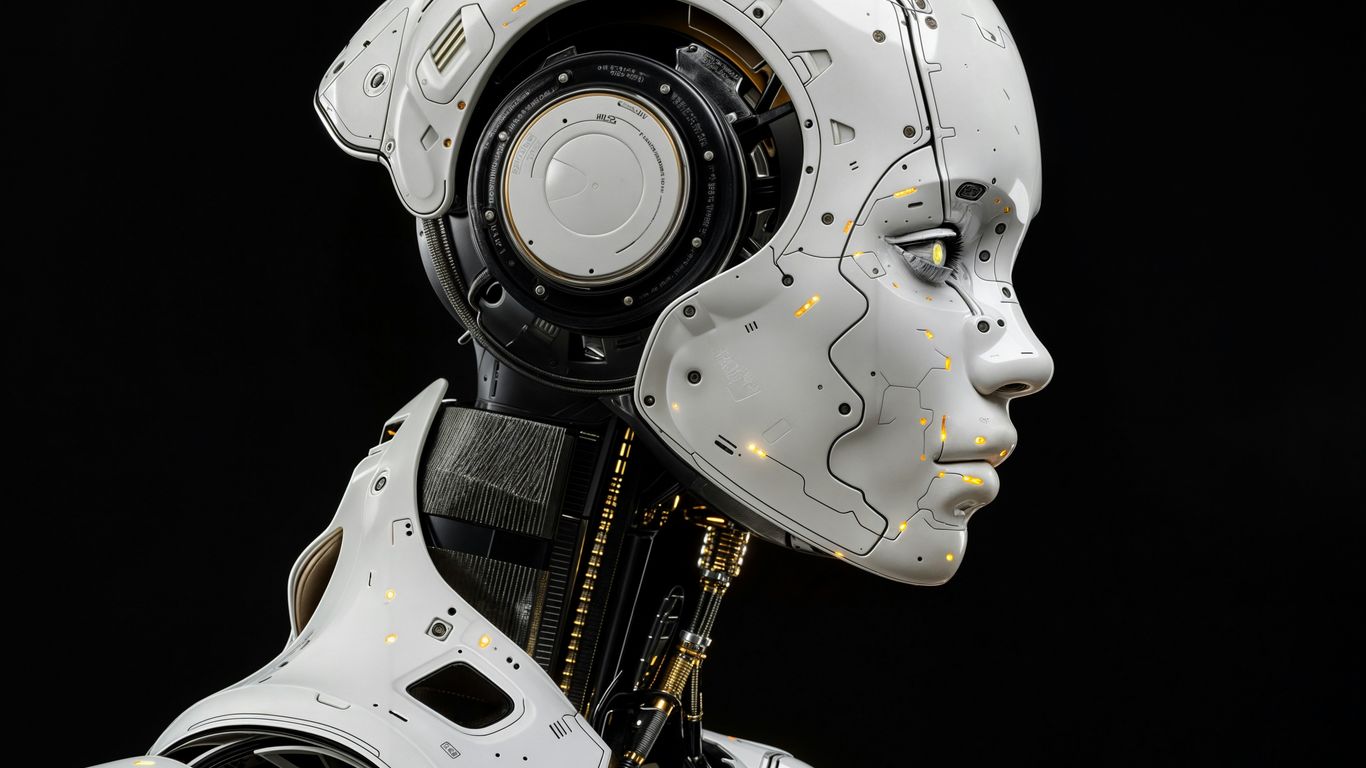
Advancements in humanoid robotics represent a critical shift in how artificial intelligence interacts with physical environments. This article examines current developments in robotics hardware and spatial intelligence.
- Development of safe, general-purpose humanoid robots for home and industrial applications.
- Integration of proprietary actuation and perception technologies to enable fluid physical interaction.
- Utilization of neural networks and learning from demonstration to refine motor control.
- Strategic partnerships to accelerate the deployment of bipedal humanoid platforms.
- Evolution of hardware and software pipelines to support scalable manufacturing for mass deployment.
Origins and vision of 1x Technologies
Founding and core mission
1x Technologies operates at the intersection of robotics and embodied artificial intelligence, focusing on the development of general-purpose robots capable of operating in human-centric spaces. Founded as Halodi Robotics in 2014, the organization transitioned its focus from specialized industrial actuators to comprehensive humanoid platforms 1x Technologies. The primary mission remains rooted in creating helpful robots that can navigate unstructured environments while maintaining high levels of safety and reliability.
Partnership with OpenAI and strategic backing
Strategic investment has played a vital role in fueling the research and development pipeline for the firm. The company secured significant funding from partners including the OpenAI Startup Fund, which provided capital and technical synergy for scaling complex AI models in hardware. These financial and technical alliances enable the development of more advanced control systems, allowing the company to explore the potential of foundation models in physical robots. Access to such resources effectively accelerates the transition from laboratory prototypes to durable and functional robotic assistants capable of performing real-world tasks.
Core philosophy of safe human-robot interaction
Design choices prioritize the safety of users when robots operate in shared living or working arenas. Engineers focus on mechanical compliance, where the physical structure of the robot is inherently soft or responsive to contact, reducing the impact of unintended collisions. This focus integrates with global efforts to standardize safety protocols for human-robot collaboration. By ensuring hardware responsiveness is coupled with sophisticated collision-avoidance software, the team establishes a foundational environment for safe autonomous operation.
EVE: The flagship humanoid platform
Physical design features and capabilities
EVE stands as a versatile platform engineered primarily for industrial and commercial sectors. Unlike traditional automation, this humanoid utilizes a wheeled base for stability and rapid movement while maintaining a humanlike torso and arm dexterity for precise manipulation. The platform serves as an essential testbed for proprietary sensing and actuation components, allowing the company to refine vision-language-action models within its specialized Physical AI suite.
Mobility and remote teleoperation mechanics
Mobility is achieved through an advanced drivetrain managed by low-latency control loops. Remote teleoperation allows human operators to guide the robot through complex or novel tasks, providing a high-fidelity data source for its neural networks. This collaborative loop serves as an efficient pathway for the training of autonomous behaviors, ensuring the robot learns nuance in handling various tools and objects.
Key industrial and commercial use cases
EVE performs a variety of functions across different settings, from security patrol to logistics assistance. The following table provides a summary of common applications for this mobile platform:
| Industry | Task Type | Operational Focus |
|---|---|---|
| Logistics | Material transport | Efficiency in pathing |
| Security | Site surveillance | Constant monitoring |
| Healthcare | Non-clinical support | Physical task assistance |
These implementations demonstrate how the robot adapts to standard environments without requiring extensive facility modifications or custom infrastructure, representing a core shift toward flexible warehouse automation paradigms.
NEO: Advancing bipedal mobility
Advantages of a bipedal design for domestic environments
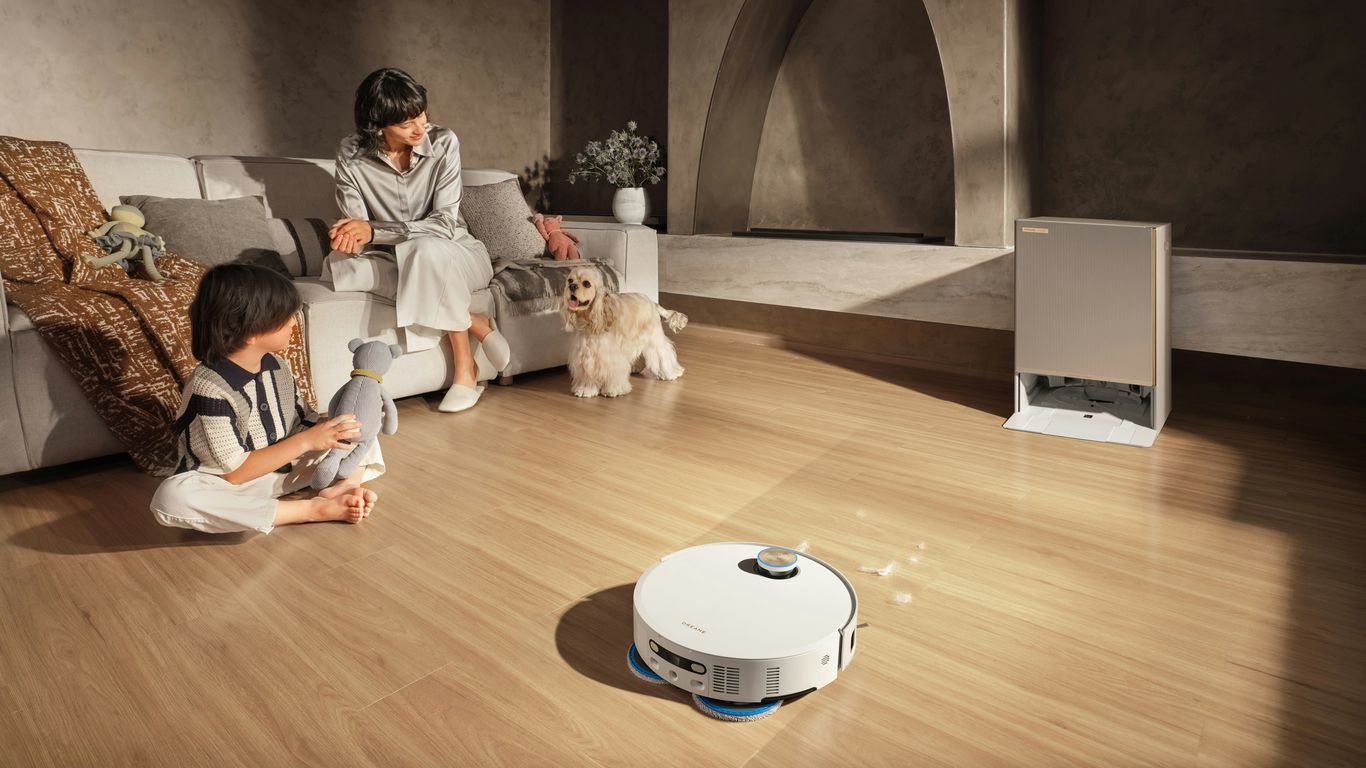
NEO represents an evolution toward a bipedal form factor, specifically configured for the architectural constraints of residential homes. A bipedal gait offers the ability to navigate stairs, uneven flooring, and door thresholds that wheeled platforms might find challenging. The anthropomorphic geometry allows the robot to reach high shelves or operate standard appliances designed exclusively for human use.
Software and hardware integration challenges
Creating a stable bipedal gait requires tightly coupled hardware sensors and predictive control software. Integrating high-torque actuators with real-time feedback loops ensures the robot maintains balance while carrying loads. Developing the necessary algorithms involves managing complex dynamics where even slight shifts in center-of-mass must be corrected in milliseconds.
Projected timeline for manufacturing and deployment
Following the introduction of early versions for beta testing, long-term goals involve optimizing components for wide-scale production. Success hinges on streamlining the supply chain and refining assembly procedures for complex, high-degree-of-freedom components. Deployment timelines remain linked to achieving reliability benchmarks in real-home scenarios before a broader public launch occurs.
The role of artificial intelligence in 1x ecosystems
Neural networks for motor control and decision-making
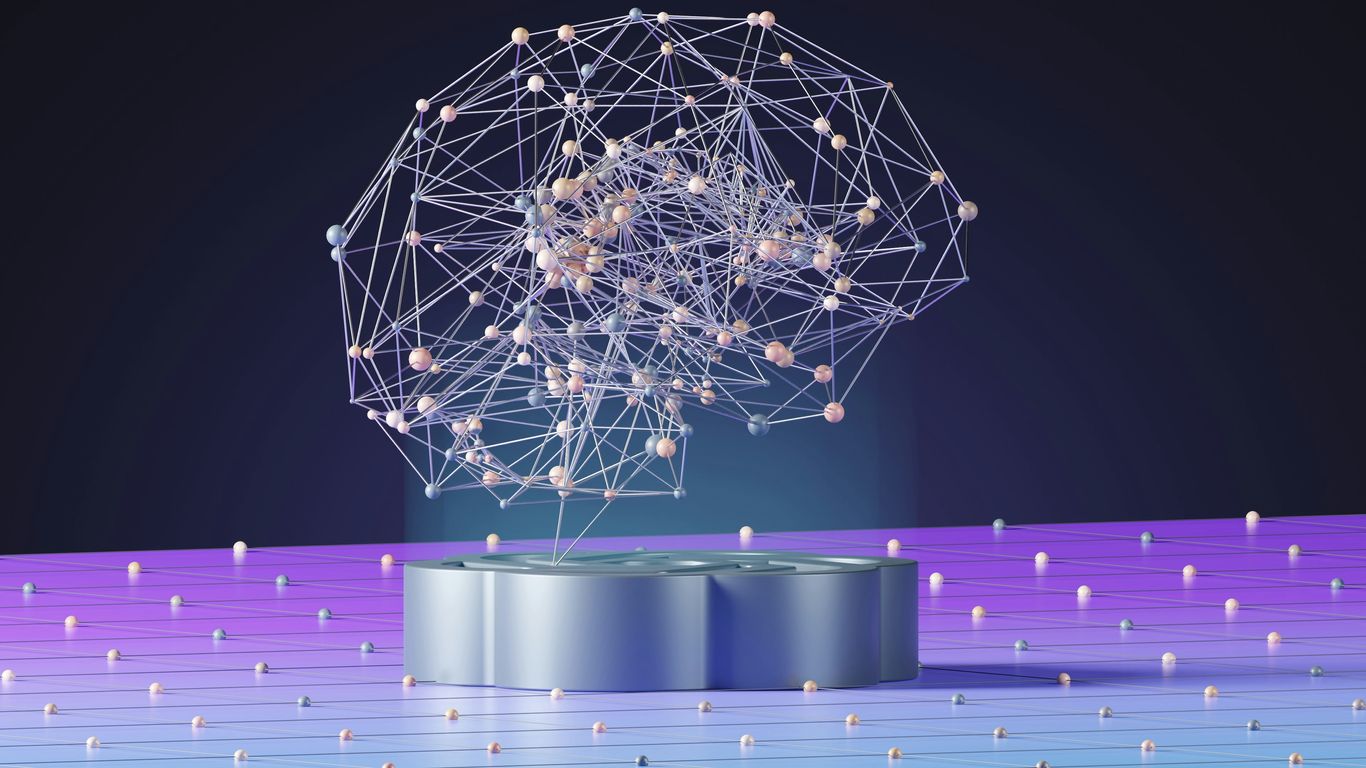
Modern robotics rely on deep learning architectures that process multimodal sensory input to control complex physical outputs. By leveraging NVIDIA Isaac GR00T foundations, the firm trains neural networks to interpret visual stimuli and execute action sequences with high precision. These architectures move beyond rigid programming by allowing the robot to reason about how to grasp or manipulate novel objects.
Learning from human demonstration and simulation
Learning from demonstration acts as a primary vehicle for improving skill acquisition. Humans guide the robots through specific tasks, and the system extracts key features of these movements for training autonomous agents. Simulation environments allow these models to practice millions of iterations safely, reducing the time required for physical hardware training.
Integrating safety protocols into autonomous systems
Safety is embedded directly into the neural architecture through reward-shaping and constraint-based reinforcement learning. By penalizing erratic or unsafe moves during simulation, the models learn to bias their actions toward stability. This approach ensures that even when a robot encounters an unexpected situation, its internal logic prioritizes hazard mitigation over goal completion.
Market impact and industry positioning
Comparison with other players in the robotics space
Positioning in the current robotics sector involves focusing on embodied AI that remains broadly compatible with human workspaces. Unlike specialized bots, this platform emphasizes potential for general-purpose utility using software-driven adaptivity. Industry experts monitor how this approach contrasts with Agility Robotics, which has historically leaned into ruggedized industrial locomotion.
Scaling production and supply chain requirements
Scaling requires a focus on vertical integration, particularly in the manufacturing of bespoke actuators and sensory arrays. Maintaining consistent build quality remains challenging as production volumes increase. Future growth depends on successfully transitioning from prototyping techniques to high-throughput automated assembly lines.
Implications for the future of workspace and home automation
Robotics will eventually change how basic manual tasks are approached in home and professional environments. If these systems successfully handle long-term operations, they may redefine labor requirements in physically demanding roles.
Conclusion
Technological progress in embodied platforms marks transition from confined laboratory demos to tangible, multi-functional tools for daily life. As these units move through testing phases, the combination of sophisticated perception and iterative hardware refinement will determine their ultimate success in the labor market. The trajectory points toward a future where consistent operational intelligence enables robots to assist effectively in both residential and professional sectors.
Frequently Asked Questions
How does a humanoid robot navigate without expensive facility modifications?
Modern robots use advanced perception sensors and SLAM algorithms to generate local maps of an environment in real time, allowing them to detect and bypass obstacles without requiring dedicated guidance tracks or beacons.
What are the main limitations of current bipedal movement?
Dynamic balancing requires high-frequency compute and ultra-responsive actuators, which currently consume significant power and require frequent maintenance compared to static industrial systems.
How do robots learn to complete new tasks?
Systems often employ learning from demonstration, where human operators perform a task while the robot records motion data, allowing the neural networks to map those inputs to specific motor sequences.
Can humanoid robots work safely near people?
Hardware is designed with compliant actuators and soft materials to minimize the kinetic energy transferred during contact, while onboard software executes continuous collision-detection and avoidance protocols.
Why does industry prioritize anthropomorphic designs?
Human-centric design allows robots to operate machinery, traverse infrastructure like stairs, and use everyday tools that are already ubiquitous in homes and workplaces, bypassing the need for specialized equipment.
What compute infrastructure is needed for these robots?
Onboard edge computing paired with high-bandwidth sensory processing units allows robots to make split-second decisions locally, reducing reliance on distant cloud processing for critical tasks.
What is the biggest challenge to mass-market adoption?
Achieving consistent reliability in a wide range of unstructured environments while reducing manufacturing costs to a level sustainable for broader consumer and commercial use is the primary hurdle.