Key Takeaways
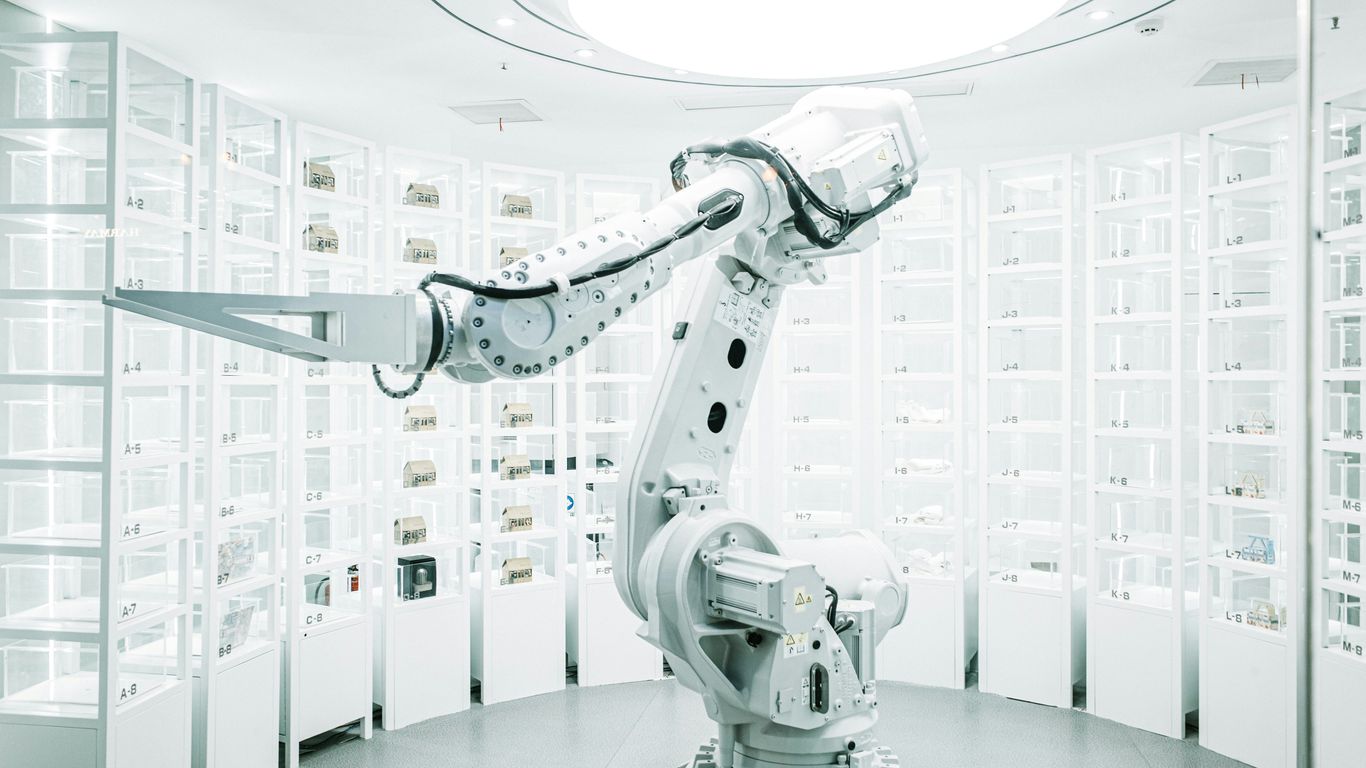
This article examines the current state of autonomous mobile robotics in warehouse management, providing a detailed Accio Robotics Review for operators and engineers. The analysis covers technical architecture, operational metrics, and the strategic implications of deploying these systems in modern facilities.
- The platform utilizes advanced navigation for complex, high-density storage environments.
- Warehouse management system integration allows for real-time visibility into inventory movement.
- Modular hardware designs support diverse load capacities, adjusting to different operational requirements.
- Safety protocols prioritize human-robot interaction through sensor-based obstacle detection and dynamic rerouting.
- Total cost of ownership hinges on balancing initial deployment costs against long-term throughput gains.
Overview of Accio Robotics technology
Understanding the foundational architecture of the Accio Robotics ecosystem requires a look at how software interfaces with hardware. The system relies on centralized fleet control, which communicates with individual units to ensure synchronized movement and task execution.
Core robotics platform architecture
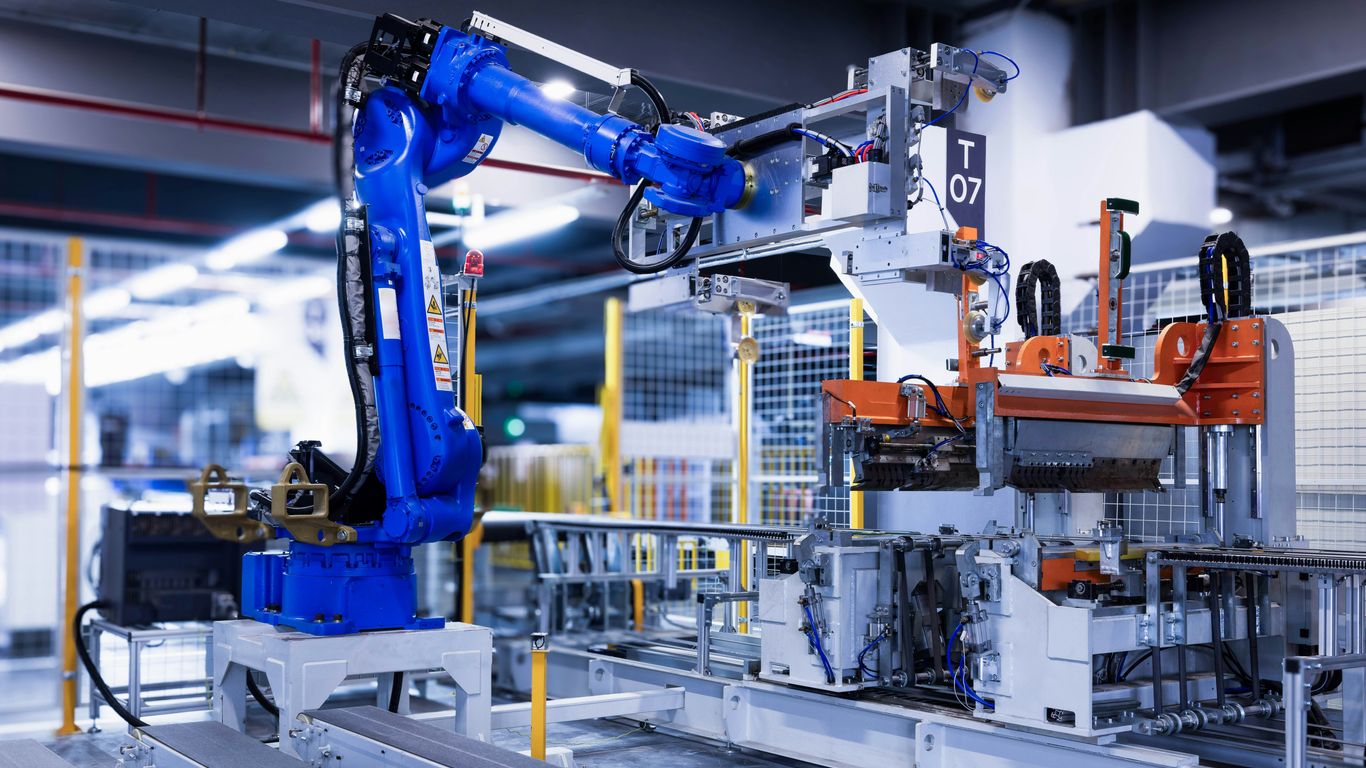
The software foundation relies on a modular approach that separates perception from decision-making. By leveraging Nimble Robotics as a conceptual framework for automated fulfillment, the platform achieves consistent navigation through multi-sensor fusion. Engineers designed the core to enable seamless updates, ensuring that logic improvements reach the fleet without significant downtime.
Capabilities in automated storage and retrieval
The robotics system functions by mapping storage aisles into a digital mesh, allowing the hardware to calculate optimal paths in real-time. This spatial intelligence reduces the time spent on manual inventory management, allowing for higher density storage layouts. These machines handle items directly, minimizing the physical touches required throughout the fulfillment process.
Integration with warehouse management systems
Direct synchronization with existing management architectures is a requirement for deployment. The platform utilizes Terms & Conditions of service to govern data exchange protocols, ensuring that inventory throughput metrics match the actual status of warehouse stock. By automating the handoff between management software and the machinery, operators reduce the lag time between order placement and picking initiation.
Key features and operational performance
Performance metrics for autonomous units rely on their ability to adapt to changing floor conditions throughout a standard shift. By processing local sensor data continuously, the robotics hardware maintains consistent operation despite the fluid nature of industrial environments.
Precision navigation in dynamic environments
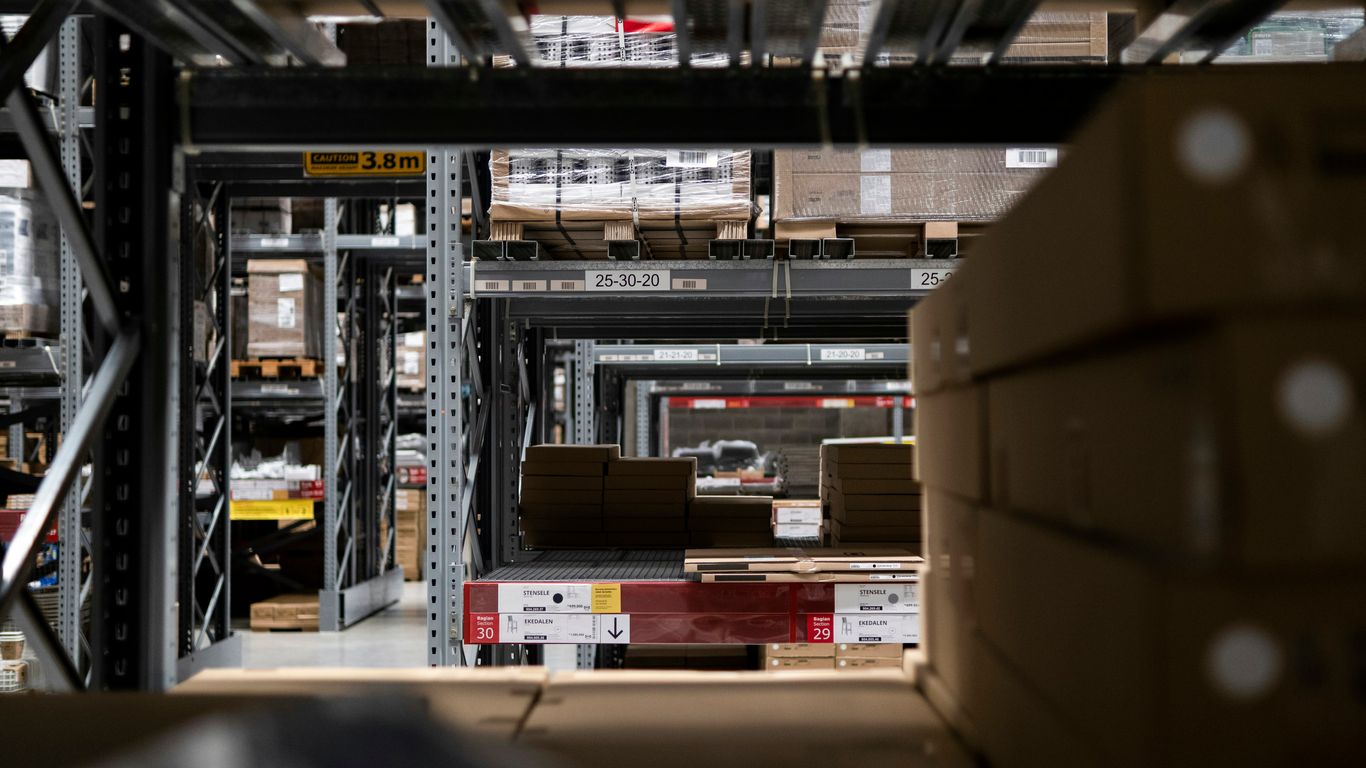
Autonomous units must navigate through aisles where human workers and other machines operate simultaneously. The system uses lidar-based pathing and proximity sensing to establish a safe operating bubble, which allows the robots to make micro-adjustments at speed. This level of adaptability ensures that the fleet keeps moving even when inventory is left in non-standard locations or unexpected floor obstructions occur.
Load handling capacity and throughput efficiency
The ability to move varied weights defines the throughput limits of the system. The platform is designed to accommodate different bin sizes and payload categories, as detailed in the capacity table below.
| Unit Class | Payload Capacity (KG) | Typical Cycle Time |
|---|---|---|
| Standard Floor | 50 kg | 45 seconds |
| Heavy Duty | 150 kg | 70 seconds |
| Specialized Bin | 25 kg | 30 seconds |
These performance metrics illustrate how the fleet manages different operational weights effectively. By utilizing specific units for certain product classes, the facility manager can tune throughput for specific peak periods.
Battery life and autonomous charging cycles
Efficient power management prevents disruptions in the pick-and-pack workflow. The robots automatically detect when charge levels fall below a specific state of health, initiating a transition to a designated charging bay. This capability draws inspiration from successful autonomous systems that prioritize healthcare robotics metrics, where uptime is a critical standard for ongoing facility operation.
Use cases and industry applications
Different industries find distinct value in deploying flexible automation. The modular design of these machines allows them to be adapted for diverse floor plans, from crowded back-room storage to massive distribution centers.
E-commerce fulfillment and batch picking
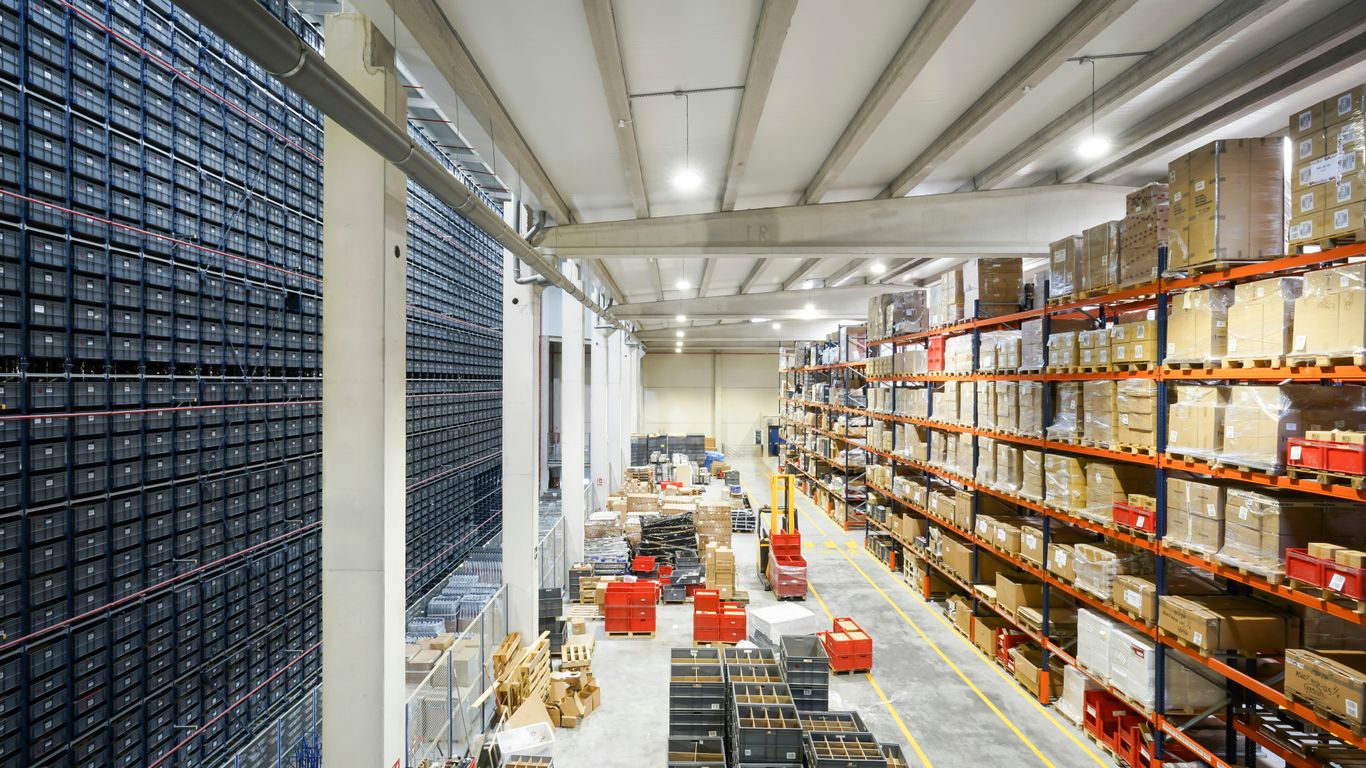
The primary application for this technology involves high-volume batch picking where labor efficiency is the central objective. Operators often utilize the fleet for the following tasks:
- Consolidating individual items into larger shipments based on order batching logic.
- Retrieving specific SKUs from high-density shelving to feed into packing stations.
- Sorting incoming inventory onto storage racks based on real-time placement orders.
- Managing returns by routing items to specialized inspection stations automatically.
By following these operational lists, facilities can bridge the gap between order intake and finalized shipping labels efficiently.
Manufacturing floor material transport
In manufacturing settings, the focus shifts to internal logistics and supply alignment. Much like autonomous welding systems, these robots operate within a tightly managed factory environment, moving components between workstations to maintain a consistent output flow. This streamlines the process of supplying raw materials to assembly rigs, ensuring no downtime occurs due to missing parts.
Scalability for retail and back-room operations
Retail environments present unique challenges due to limited floor space and public presence. The system scales by adding units during seasonal peaks and reallocating them during lower-traffic periods. This provides a level of agility that allows retailers to manage inventory effectively without needing an expansive warehouse setup.
Implementation and safety considerations
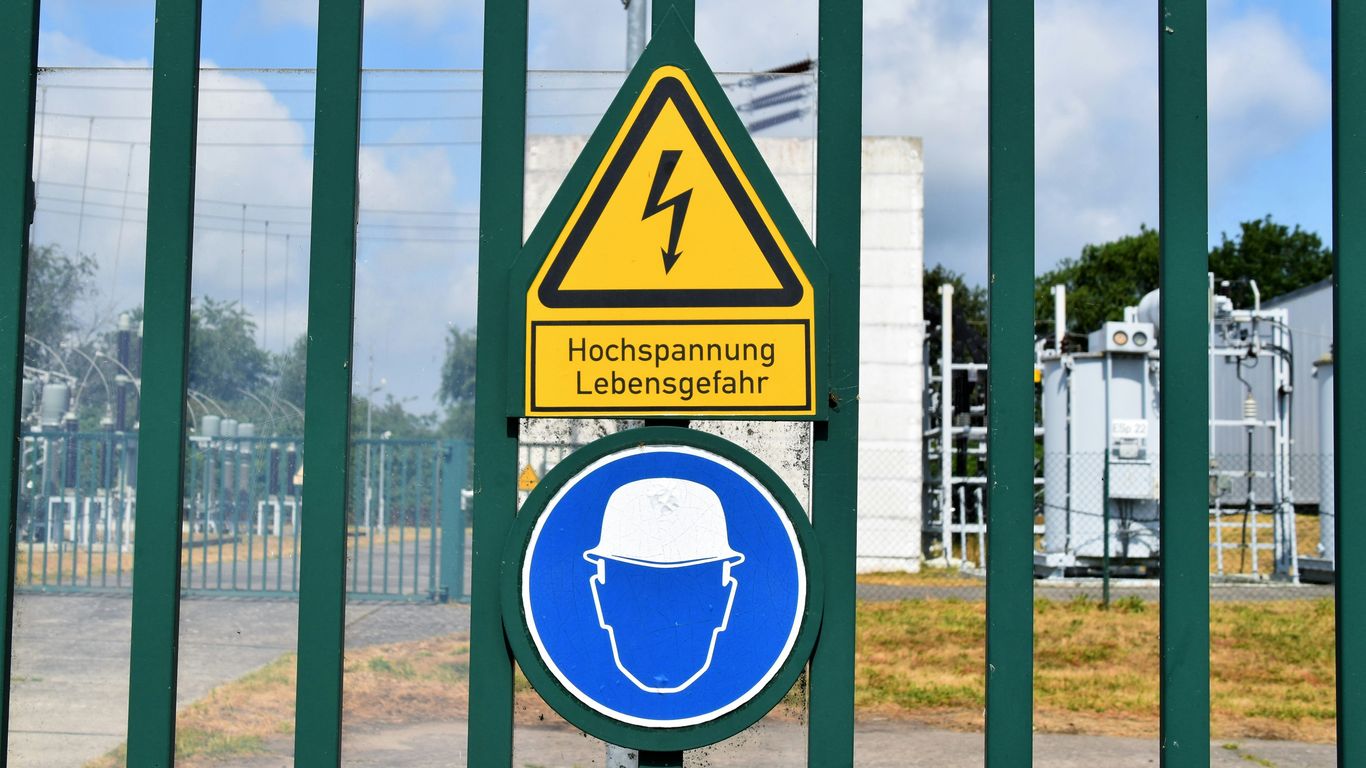
Deploying a fleet requires careful structural planning and a commitment to standardized safety measures. A successful rollout typically requires a pre-installation phase that includes site audits and networking infrastructure checks.
Facility setup and infrastructure requirements
Physical floor integrity and wireless coverage are the most important constraints during the initial setup. As seen in Bedrock Robotics deployments, autonomous machinery requires robust connectivity to maintain high-speed obstacle detection. The site must be prepared with clear signage and standardized markers to assist the robot's localization software.
Human-robot interaction and safety protocols
Safety remains a central concern when robots share workspace boundaries with employees. Standard procedures involve limiting robot acceleration in high-traffic zones and implementing emergency halt protocols that trigger whenever a person enters the buffer zone. These features ensure that the robots operate safely without disrupting the workflows of warehouse staff.
Maintenance schedules and hardware reliability
Predictive maintenance is required to prevent component failures from stalling the entire line. The maintenance schedule is designed to address wear on critical drive components before failure occurs, relying on telemetry data collected during regular operation cycles. This proactive approach helps keep the fleet operational throughout the most demanding shifts.
Comparisons and competitive landscape
When evaluating this platform, it is necessary to consider how it compares to existing industrial norms. Each solution provides trade-offs in terms of speed, cost, and structural requirements.
Accio Robotics versus traditional conveyor systems
Traditional conveyor systems offer high throughput but lack the flexibility to adapt to new floor plans. While a conveyor is permanently rooted in place, this robotics platform provides dynamic routing, which allows the facility's flow to evolve alongside changing inventory needs.
Comparison with standard AGV and AMR solutions
Autonomous Mobile Robots (AMR) represent a step forward from standard Automated Guided Vehicles (AGV). While AGVs typically follow pre-set magnetic tapes or paths, this platform uses Agility Robotics navigation principles, allowing it to navigate around dynamic obstructions without requiring ground-mounted modifications. This enables a more agile and lower-overhead installation process compared to legacy fixed-path vehicles.
Assessing total cost of ownership and ROI potential
The total cost of ownership involves considering the initial hardware investment, software licensing, and long-term maintenance labor. ROI is realized through decreased labor overhead and increased picking speed. Facilities that implement these machines report consistent improvements in throughput when comparing pre-installation and post-installation metrics.
Conclusion
Autonomous robotics systems are transitioning from theoretical potential to practical warehouse infrastructure. By integrating advanced perception and navigation with existing management systems, the Accio Robotics platform allows operations to scale up while maintaining control over inventory logic. Achieving success requires a balance between infrastructure readiness and a methodical approach to fleet deployment, ensuring that every unit contributes to tangible throughput gains.
Frequently Asked Questions
What primary factors influence the selection of warehouse robotics?
The selection process relies on assessing the physical layout of the facility, the specific weight and dimensions of the inventory, and the required throughput speed during peak demand hours.
How does autonomous navigation handle unpredictable floor changes?
Modern systems utilize high-frequency sensors that detect movement in real-time, allowing the software to compute updated paths around workers, spilled inventory, or temporary equipment changes.
Can warehouse robots integrate with existing legacy systems?
Integration is effectively handled through middleware or direct API connections that allow the robot fleet to read from and report back to standard enterprise resource planning and warehouse management databases.
What are the main maintenance requirements for robot fleets?
Typical requirements include periodic sensor calibration, battery health diagnostics, and inspections of wheel-drive assemblies to ensure consistent performance during extended operational cycles.
How is safety ensured in collaborative work environments?
Safety is maintained through multi-layered sensor suites that trigger immediate braking or path rerouting whenever a human is detected within the operational range of a machine.
How does the total cost of ownership trend over time?
Initial costs for hardware and site configuration are high, but over time, efficiency gains in throughput and reduced error rates lead to a lower cost per pick compared to manual picking methods.
Is it possible to scale these fleets after the initial implementation?
System architecture is typically designed for scalability, allowing operators to add more units to the existing fleet as demand for fulfillment capacity increases following the initial phase of deployment.