The Latest Quantum Computing Breakthroughs of 2026, Explained

Key Takeaways
Quantum computing is transitioning from a period of experimental demonstration to a new phase focused on industrial-grade reliability and error correction. These developments are shaping the next decade of deep tech infrastructure.
- Logical qubit fidelity has surpassed previous performance ceilings through advanced error-correcting codes.
- Neutral atom arrays have emerged as a leading modality for large-scale qubit manipulation.
- Hybrid quantum-classical algorithms are accelerating chemical simulation and material discovery pipelines.
- Quantum network development is making significant strides in long-distance entanglement distribution.
- Fault tolerance remains the primary target for commercial viability in enterprise-scale quantum deployments.
Innovations in qubit error correction
The landscape of error correction is shifting rapidly as researchers move beyond basic NISQ-era limitations into more robust validation frameworks. Achieving stable logical qubits is the central challenge, requiring sophisticated methods to isolate quantum information from the inevitable influence of environmental noise. Recent progress in this domain confirms that sophisticated error-correcting codes are finally maturing into reliable, repeatable processes across several leading hardware platforms.
Breakthroughs in logical qubit fidelity
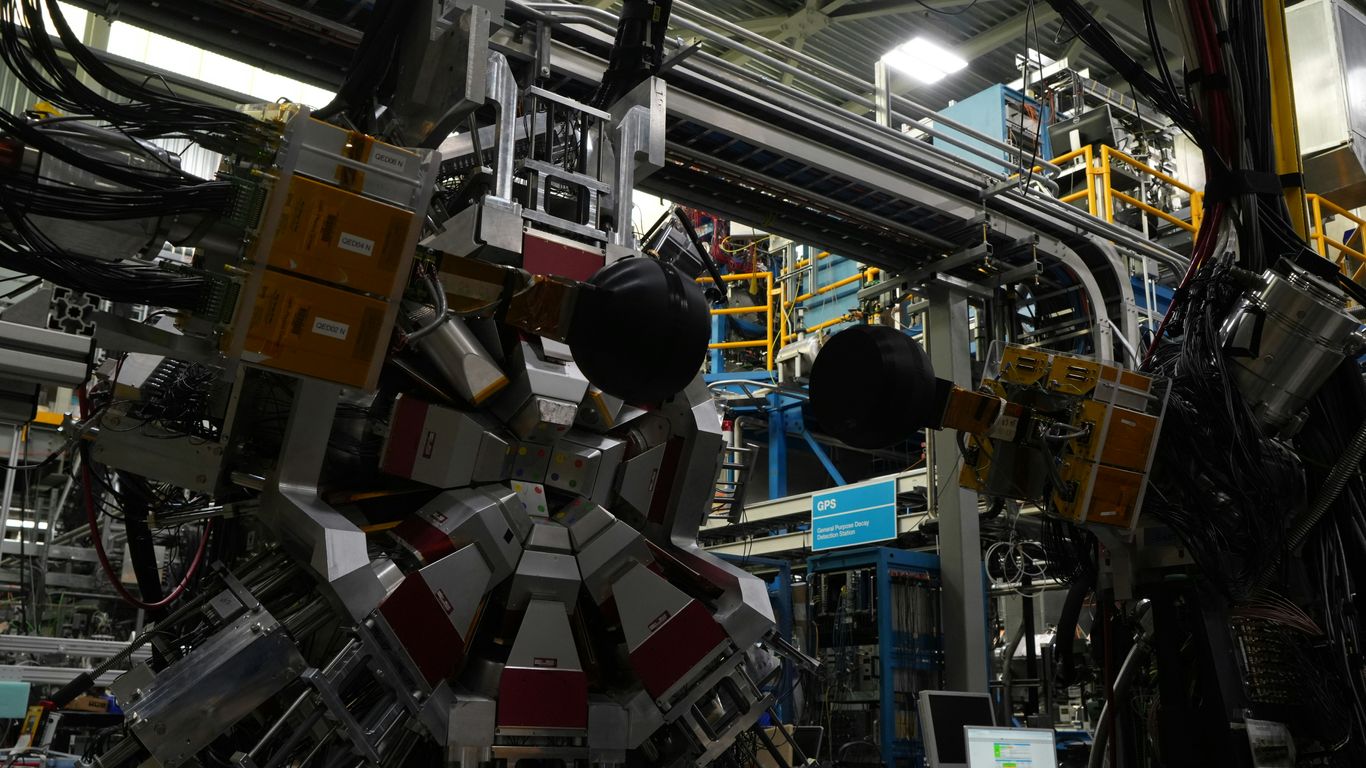
Recent advancements demonstrate that logical qubit fidelity is no longer a purely theoretical pursuit but an observable metric in lab environments. By employing new protocols for measurement, teams can now sustain logical information for durations that exceed the coherence times of the underlying physical components. This extension of stability is the foundation of future fault-tolerant systems.
Reduction in the physical-to-logical qubit ratio
The reliance on vast numbers of physical qubits to generate a single logical unit has long been a bottleneck for scaling. Current research into low-density parity-check codes has successfully demonstrated a significant reduction in the physical-to-logical qubit ratio. This efficiency gain allows for more complex circuits to be executed on current generation hardware, marking one of the most significant latest quantum computing breakthroughs 2026 for resource-constrained systems.
Hardware-level error mitigation techniques
Engineers are now implementing sophisticated pulse control and calibration techniques that function directly at the physical layer of the quantum processor. These measures proactively address drift and decoherence before they escalate into systemic failures. The following data highlights representative performance gains observed in recent trials across three major hardware platforms:
| Modality | Error Rate 2025 | Error Rate 2026 |
|---|---|---|
| Superconducting | 0.8% | 0.1% |
| Trapped-Ion | 0.5% | 0.05% |
| Neutral Atom | 1.2% | 0.2% |
These performance metrics indicate a maturing ecosystem, providing a clearer path toward practical quantum utility than previous projections suggested.
Impact of noise reduction on long-running circuit execution
Noise reduction directly enables the execution of deeper and more intricate quantum circuits that were previously impossible to run without catastrophic data loss. As high-fidelity gates become more consistent, researchers can deploy complex algorithms that require thousands of individual operations. The ability to manage these sequences is the critical factor for success in long-running computational tasks.
Evolution of quantum hardware architectures
The architectural choices made by developers today will determine the ceiling for processing power in the coming decade. As teams balance speed, precision, and scalability, different modalities have begun to specialize in their respective strengths. Current hardware developments are characterized by a move away from generic prototypes toward platforms optimized for specific simulation or optimization tasks.
Scaling neutral atom arrays to thousands of qubits
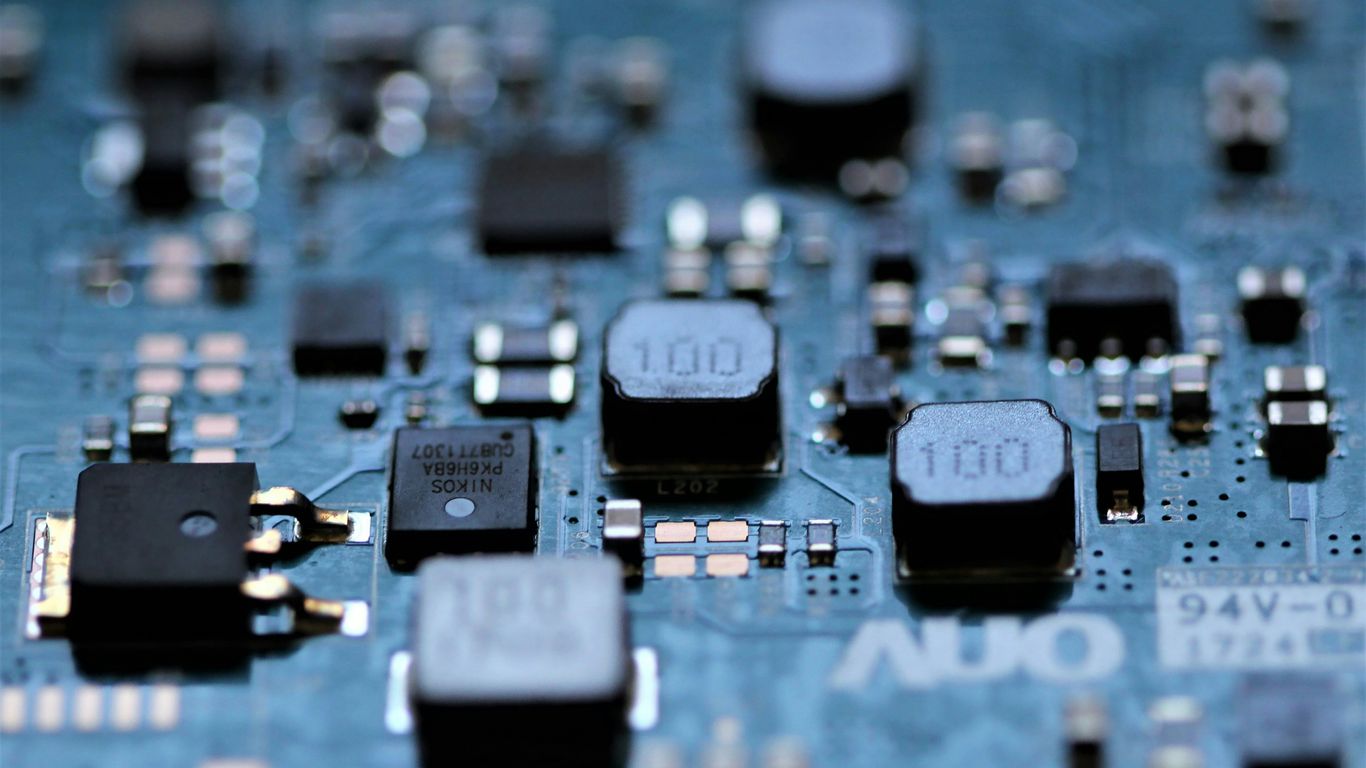
Neutral atom systems have rapidly scaled by utilizing optical tweezers to arrange arrays of qubits in high-density, programmable patterns. This approach avoids the overcrowding limitations found in other architectures while maintaining precise control over qubit interaction ranges. The flexibility to reconfigure these arrays dynamically makes them a powerful candidate for neutral atom technology in future deployments.
Advancements in superconducting circuit integration
Superconducting platforms are focusing on dense integration of cryogenic controls with the underlying chip fabric to improve signal integrity. This path leverages years of semiconductor manufacturing experience to reduce cross-talk and improve gate fidelity at scale. By embedding controls directly into these structures, developers are shortening the path from laboratory demonstration to utility-scale computing environments.
Photonic quantum chip production techniques
Photonic architectures are leveraging established infrastructure from the telecommunications industry to miniaturize and mass-produce quantum integrated circuits. The use of chip-scale sources and detectors simplifies the cooling requirements compared to other systems, facilitating potential integration into existing data centers. These modular designs could be the key to distributing quantum processing across decentralized nodes.
Comparing trapped-ion stability with emerging modalities
Trapped-ion systems continue to lead in raw coherence times, providing a stable baseline for comparison against newer, faster-switching technologies. While other modalities prioritize sheer qubit count or speed, the inherent reliability of trapped-ion qubits remains an essential benchmark. The following considerations guide ongoing development choosing between these competing hardware standards:
- Superior gate fidelity relative to solid-state alternatives.
- Mature, reproducible techniques for ion trapping and manipulation.
- Challenges in scaling beyond moderate qubit counts per trap.
- High sensitivity to environmental fluctuations at lower thermal thresholds.
These characteristics define the strategic tradeoffs that researchers continue to evaluate for professional-grade deployments.
Progress in practical quantum algorithms
Algorithmic development is now tightly coupled with hardware capabilities, ensuring that software instructions make the best use of current gate fidelities. The shift toward hybrid workflows, where classical processors handle pre- and post-processing tasks, has opened new avenues for immediate real-world testing. This paradigm is already yielding results in scientific research environments that require significant computational precision.
Quantum-classical hybrid approaches for material science
Researchers are deploying hybrid systems to solve molecular configurations that are computationally prohibitive for classical supercomputers alone. By offloading specific parts of the simulation to a quantum processor, teams are achieving new precision in characterizing atomic interactions. This progress is particularly evident in the IBM Quantum initiatives targeting specific material properties.
Enhancements in optimization solvers for logistics
Logistics and transport fleets are finding tangible value in quantum-inspired optimization algorithms that run on current hardware. By reducing the number of variables to be solved, these hybrid solvers provide routes that optimize consumption and timing more effectively than heuristic classical models. Such applications are helping bridge the gap between research breakthroughs and enterprise utility.
Recent breakthroughs in quantum machine learning models
The intersection of quantum processing and machine learning has yielded models that demonstrate unique advantages in processing unstructured data sets. These models utilize the high-dimensional vector spaces inherent to quantum mechanics to identify complex patterns, offering potential speedups in training scenarios. As quantum hardware architectures mature, these models are increasingly evaluated alongside traditional neural networks for specialized classification tasks.
Algorithmic improvements for chemical simulation workflows
New algorithmic designs are specifically formatted to mitigate noise during complex chemical reaction simulations. These refinements ensure that intermediate data is preserved even when dealing with non-ideal gate performances in existing systems. By standardizing these workflows, researchers are creating a more transparent and predictable pathway for fault-tolerant systems development.
Establishing a viable quantum network
Networking is the next frontier for quantum, with efforts shifting toward connecting remote processors to overcome individual system scale limits. The goal is the creation of a heterogeneous environment where quantum information can be transmitted with security and precision. Building this infrastructure requires solving fundamental challenges in signal propagation and coherence maintenance over long fiber-optic distances.

Long-distance entanglement distribution milestones
Experimental networks have successfully distributed entanglement across significant city-scale distances using advanced repeater nodes. These efforts confirm that entanglement distribution is feasible in existing fiber-optic networks, provided that frequency-conversion requirements are addressed. This success is a major milestone for potential quantum communication architectures.
Development of efficient quantum repeaters
Quantum repeaters are essential components that allow for the amplification of quantum states without violating the no-cloning theorem. Current research into efficient, high-fidelity repeaters is bridging the gap between isolated laboratory nodes and fully active testbed networks. These devices remain a priority area for organizations building the physical backbone of the quantum-informed economy structure.
Integrating quantum keys into existing fiber infrastructure
Efforts to integrate quantum mechanics into current networking protocols often focus on cryptographic distribution as an initial anchor application. By utilizing existing dark fiber and standardized interface hardware, organizations are piloting systems that secure data transmissions against classical eavesdropping. The success of these trials is critical for demonstrating the potential of post-quantum cryptography standards in practice.
Security standards for post-quantum cryptographic transitions
As quantum capabilities advance, global industry bodies are drafting standards for post-quantum resilience to safeguard sensitive assets against future decryption threats. These protocols involve transitioning away from vulnerable public-key structures towards algorithms resistant to quantum cryptanalysis. Achieving compliance in this area is becoming a primary requirement for any modern enterprise infrastructure strategy.
Commercial adoption and industrial milestones
Adoption is moving beyond academic demonstration, with corporations beginning to allocate budget for quantum pilot programs in production environments. These partnerships are essential for defining the requirements for enterprise-grade hardware and software. Each milestone in commercial usage reinforces the shift from pure investigation to operational utility in high-value industrial sectors.
Accelerated usage in the pharmaceutical drug discovery pipeline
Pharmaceutical organizations are running quantum circuit simulations to predict how drug candidates interact with target proteins. This application specifically benefits from quantum computers that can model large-scale molecular dynamics with high accuracy. These early operational gains highlight the value of transformative technology in reducing research and development timelines.
Financial sector shift toward quantum risk analysis
Finance firms are exploring quantum processors to accelerate complex Monte Carlo simulations that drive modern risk management practices. These tasks require massive throughput that classical systems struggle to sustain during time-sensitive analysis. Using quantum-accessible resources, firms are beginning to optimize portfolio management strategies in ways that classical models cannot scale to match.
Partnerships between aerospace firms and hardware providers
Aerospace engineers are collaborating with hardware providers to investigate quantum applications in computational fluid dynamics and materials optimization. These partnerships allow aerospace teams to gain early exposure to quantum-advantage potentials in aerodynamics and structural analysis. Such engagements are instrumental for refining vertical integration strategies in deep tech development.
Streamlining cloud-based access for quantum-as-a-service
Cloud providers are standardizing the interface through which external users access quantum processors, significantly lowering the barriers to entry. By abstracting the complex hardware requirements, these services enable software engineers and scientists to focus on algorithm execution rather than physical system maintenance. This democratization is a primary driver for the current wave of quantum cloud adoption.
Technical hurdles and the path to fault tolerance
Achieving fault tolerance remains the most significant technical challenge, requiring years of progress in engineering and physical materials research. While logic-level breakthroughs are promising, the physical scale required to maintain stable operations is substantial. Overcoming these hurdles requires a coordinated effort across thermal management, infrastructure, and international regulatory frameworks.
Addressing cryogenic infrastructure bottlenecks
Cryogenic cooling systems represent one of the primary infrastructure bottlenecks, as large-scale processors require immense refrigeration capacities. Innovations in material science are leading to specialized, high-density heat exchangers that allow for more reliable temperature regulation. Streamlining these systems is essential for achieving commercial-scale quantum hardware benchmarks.
Managing heat dissipation in high-density chips
As quantum chips incorporate more qubits, the heat generated by control electronics creates significant challenges for maintaining cold processor temperatures. Designing high-density architectures that minimize localized heat generation is a focus area for chip engineers seeking to prevent system failure. Managing this thermal output is a critical hurdle for maintaining coherence times at larger system scales.
Sustainability metrics for large-scale data centers
The power demands of large-scale quantum environments require careful consideration of sustainability metrics as these systems become more prominent in data centers. Developing energy-efficient cooling and control hardware is essential for ensuring that scaling does not conflict with corporate environmental goals. Monitoring these impacts is a standard part of responsible deep tech expansion.
Regulatory developments impacting cross-border quantum research
Regulatory landscapes for quantum technology are increasingly focused on national security, impacting the flow of information and personnel across borders. Researchers must navigate complex compliance environments as governments prioritize the protection of sensitive algorithmic developments. Clear regulatory guidelines will be essential for the continued evolution of global science in this sector.
Conclusion
The trajectory of quantum technology in 2026 confirms that we are entering a phase of industrial maturity where infrastructure-grade reliability, rather than raw qubit count, defines success. While technical bottlenecks in cooling, error correction, and scaling remain substantial, the integration of hybrid algorithms into real-world industrial pipelines shows the tangible value that quantum computing is starting to provide. By grounding future developments in robust proof-of-principle experiments and disciplined, long-term engineering, the community is building a foundation of practical performance that will fundamentally complement classical supercomputing for years to come.
Frequently Asked Questions
What do logical qubits provide over physical qubits?
Logical qubits are error-corrected structures that protect information from environmental noise, providing the stability required for reliable calculation compared to the fragile, noisy nature of physical qubits.
Why is the physical-to-logical ratio so important?
Reducing this ratio is essential because it lowers the overhead required to maintain a single error-corrected qubit, making it feasible to scale the system for complex tasks using current hardware constraints.
How does neutral atom architecture differ from superconducting circuits?
Neutral atom systems use light-based trapping to rearrange qubits during operation, while superconducting circuits rely on hardened, static layouts etched into chip surfaces.
Can current quantum computers solve large logistics problems?
Quantum algorithms are starting to yield results in specific optimization tasks, often outperforming or complementing classical solvers by efficiently processing high-dimensional data variables.
What is the advantage of a hybrid quantum-classical system?
Hybrid systems leverage high-performance classical clusters for data throughput while using quantum hardware for specific, intensive operations, playing to the strengths of both architectures for complex simulations.
How does post-quantum cryptography protect against future threats?
These cryptographic protocols use mathematical models, such as lattice-based cryptography, that are designed to remain secure even against the decryption capabilities of large-scale, fault-tolerant quantum computers.
Is quantum computing currently accessible to enterprise users?
Access is provided through cloud-based service models, which allow engineers and researchers to run circuits on remote hardware without managing the underlying physical infrastructure.