
AI
What Is Deep Tech? All Questions Answered
Deep tech means companies built on hard science and engineering breakthroughs like AI, quantum, robotics, biotech, and fusion.


AI
Deep tech means companies built on hard science and engineering breakthroughs like AI, quantum, robotics, biotech, and fusion.

Key Takeaways The landscape of specialized AI hardware is diversifying rapidly as developers seek alternatives to standard GPU architectures. These nine emerging silicon providers are tackling the compute, memory, and energy challenges intrinsic to modern large-scale artificial intelligence models. * Cerebras Systems optimizes processing with massive wafer-scale chips for

Key Takeaways Photonic computing represents a fundamental shift in hardware architecture, utilizing light-based processing to bypass traditional electronic bottlenecks in AI infrastructure. By integrating optics directly onto silicon, industry leaders are addressing the thermal and bandwidth limits facing current high-end data centers. * Photons provide significantly higher bandwidth density
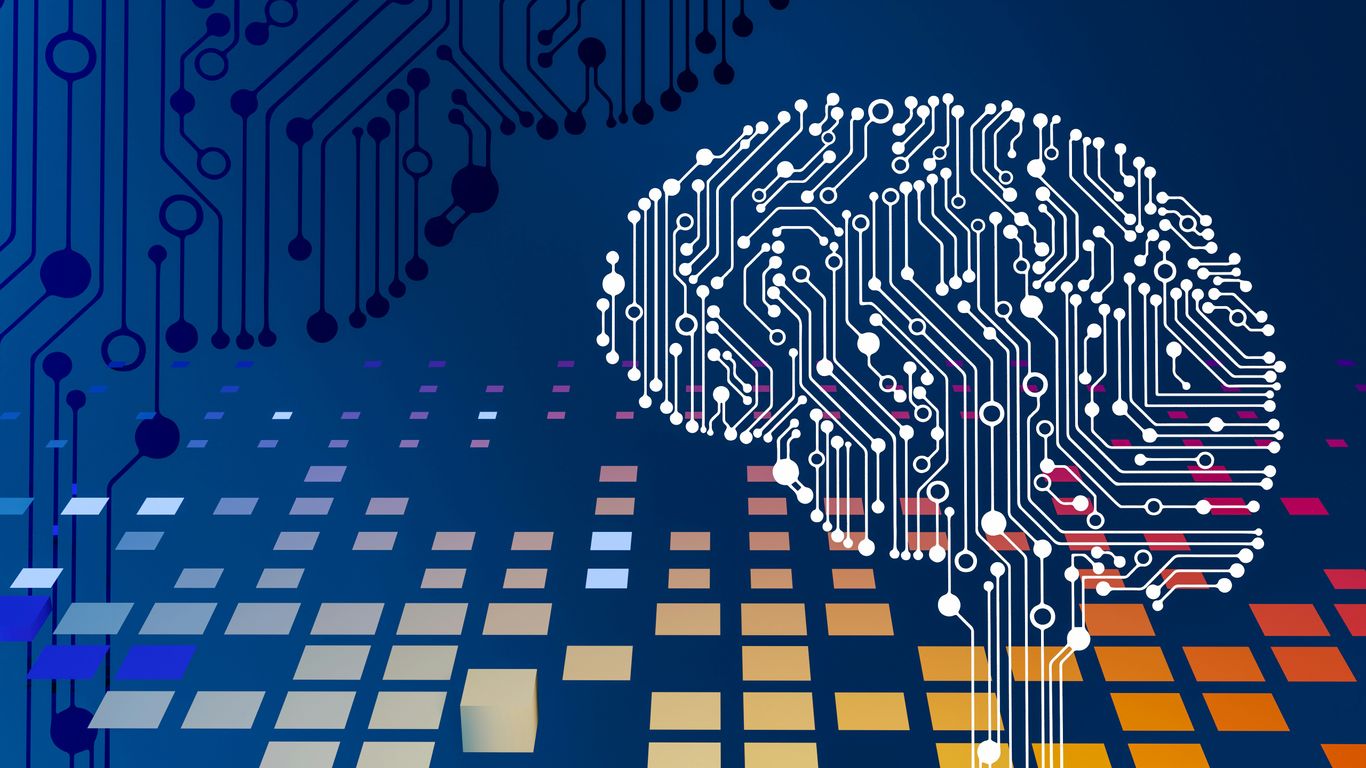
Key Takeaways Neuromorphic computing represents a fundamental shift in hardware design by mimicking biological neural systems rather than relying on traditional von Neumann structures. This approach enables specialized chips to perform complex AI tasks with remarkable energy efficiency, making them an ideal candidate for future deployment in resource-constrained edge
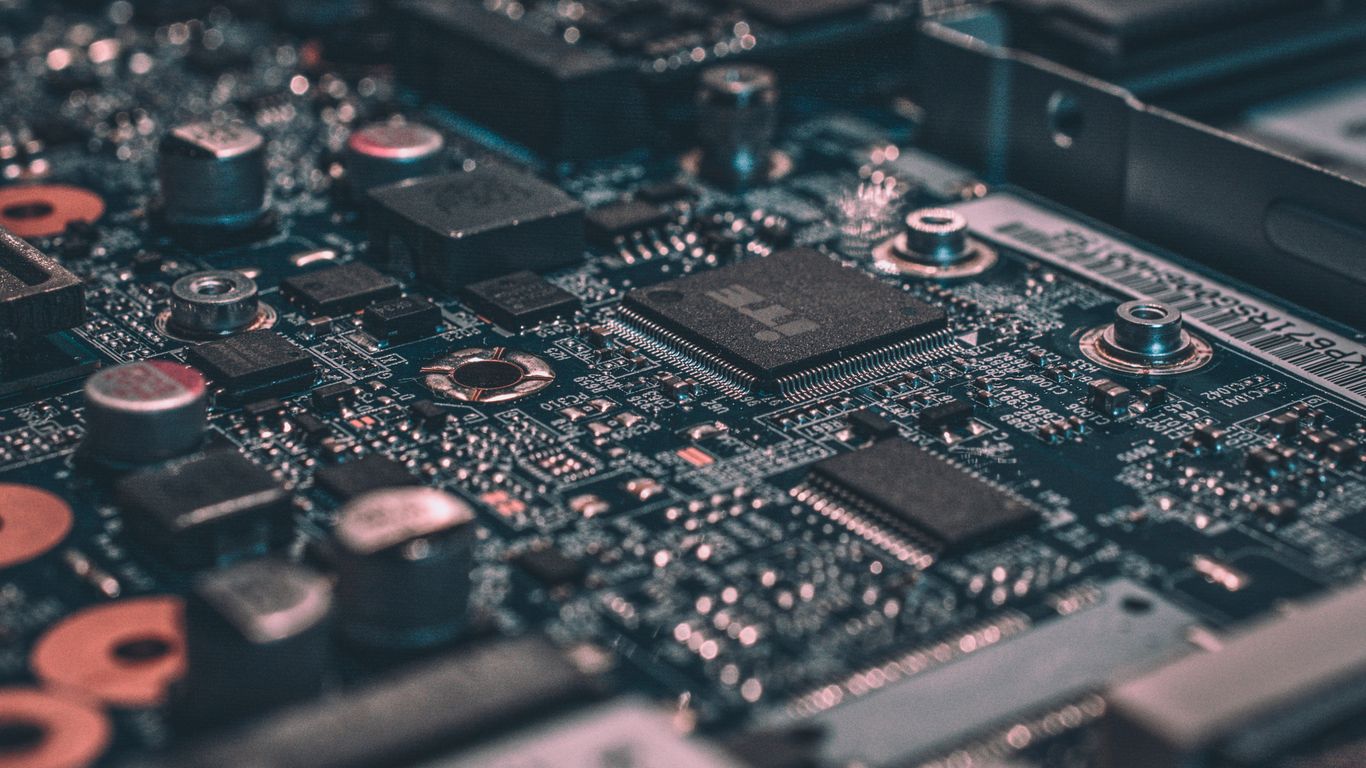
Key Takeaways Advanced packaging is central to modern semiconductor design, shifting the industry from monolithic chips toward integrated multi-die assemblies. This shift helps maintain performance gains as traditional transistor scaling slows. * Advanced packaging combines multiple silicon dies into a single, high-performance package. * 2.5D and 3D architectures significantly

Key Takeaways The semiconductor industry is currently undergoing a structural shift toward specialized architectures designed to optimize AI workloads, moving well beyond traditional general-purpose processors. The following developments highlight the innovation driving this transition: * Companies are increasingly adopting modular, chiplet-based designs to bypass the scaling limitations of monolithic

Key Takeaways Photonic computing represents a significant shift from electrical systems by utilizing light to process data, offering potential gains in bandwidth and energy efficiency. This article details the transition from traditional silicon circuits to light-based hardware architecture. * Photons provide a massive increase in bandwidth through multiplexing techniques compared

Key Takeaways The landscape of accelerator hardware is shifting from general-purpose utility to purpose-built, highly specialized silicon designed for specific AI workloads. This transition is not merely an industry trend but a structural necessity driven by the intense energy and memory demands of modern generative models. * General-purpose

Key Takeaways Defense technology has moved from the periphery of venture capital to a central pillar of modern investment, driven by shifting security landscapes and the integration of commercial software into military systems. Here are the core factors defining this sector: * Geopolitical instability has forced a rapid pivot toward autonomous

AI
The 50 most-asked questions about deep tech in 2026, covering what it is, how it's funded, and the major domains.

Key Takeaways Satellite imagery provides critical insights for sectors ranging from agriculture to national defense by enabling persistent Earth observation. Selecting the right provider requires a deep understanding of sensor capabilities, revisit frequency, and integration maturity. * Optical sensors capture visual data, while SAR is essential for imaging through cloud cover

Key Takeaways The defense technology sector is experiencing a rapid transformation as firms integrate software-defined autonomy to meet modern operational requirements. This shift moves the industry from legacy hardware-centric models toward resilient, scalable, and data-driven systems. * Emerging defense leaders are prioritizing software-first development to enhance battlefield