
Key Takeaways
The integration of sophisticated algorithmic models into clinical environments represents a fundamental shift in how medicine is practiced, shifting from reactive care to proactive systemic management. This evolution requires a granular understanding of where these tools provide genuine utility versus where they introduce new logistical challenges or ethical risks.
- Advanced imaging models now routinely identify patterns in complex scans that were previously invisible to human observers.
- Predictive models allow hospital administrators to shift from stagnant scheduling to dynamic, data-backed resource management.
- Genomic integration is enabling a new standard where treatment protocols are tailored specifically to an individual patient’s unique biological markers.
- Pharmaceutical research is seeing reduced timelines as machine learning models simulate vast chemical spaces to narrow down candidate compounds.
- Rigorous ethical oversight is required to ensure that patient data remains secure while preventing algorithmic biases from impacting marginalized populations.
Diagnostic advancements and imaging analysis
The implementation of machine learning within medical imaging has fundamentally changed the diagnostic baseline in modern clinical practice. By augmenting human intuition with high-dimensional statistical analysis, radiologists can process vast datasets with unprecedented consistency. This synergy between expert clinical oversight and computational processing is currently reshaping the standard of care for complex internal pathologies.
AI in radiology and pattern recognition
Modern imaging systems employ convolutional neural networks to highlight anomalies in radiographs and MRIs that might otherwise result in clinical oversight. These tools serve as a second set of eyes, flagging subtle tissue changes that warrant further inspection without replacing the diagnostic authority of a trained professional. By standardizing the identification process, facilities ensure that high-volume radiology departments maintain a consistent baseline for quality assurance across patient groups.
Early detection of chronic conditions
Detecting signs of chronic disease requires distinguishing between healthy physiological variance and early-stage pathology. Advanced diagnostic artificial intelligence platforms scan longitudinal health records to flag potential indicators of long-term conditions like neurodegenerative diseases long before symptomatic onset. This capability relies on identifying minute fluctuations in organ function that only an algorithm can track across multi-year data histories.
Reducing human error in medical screenings
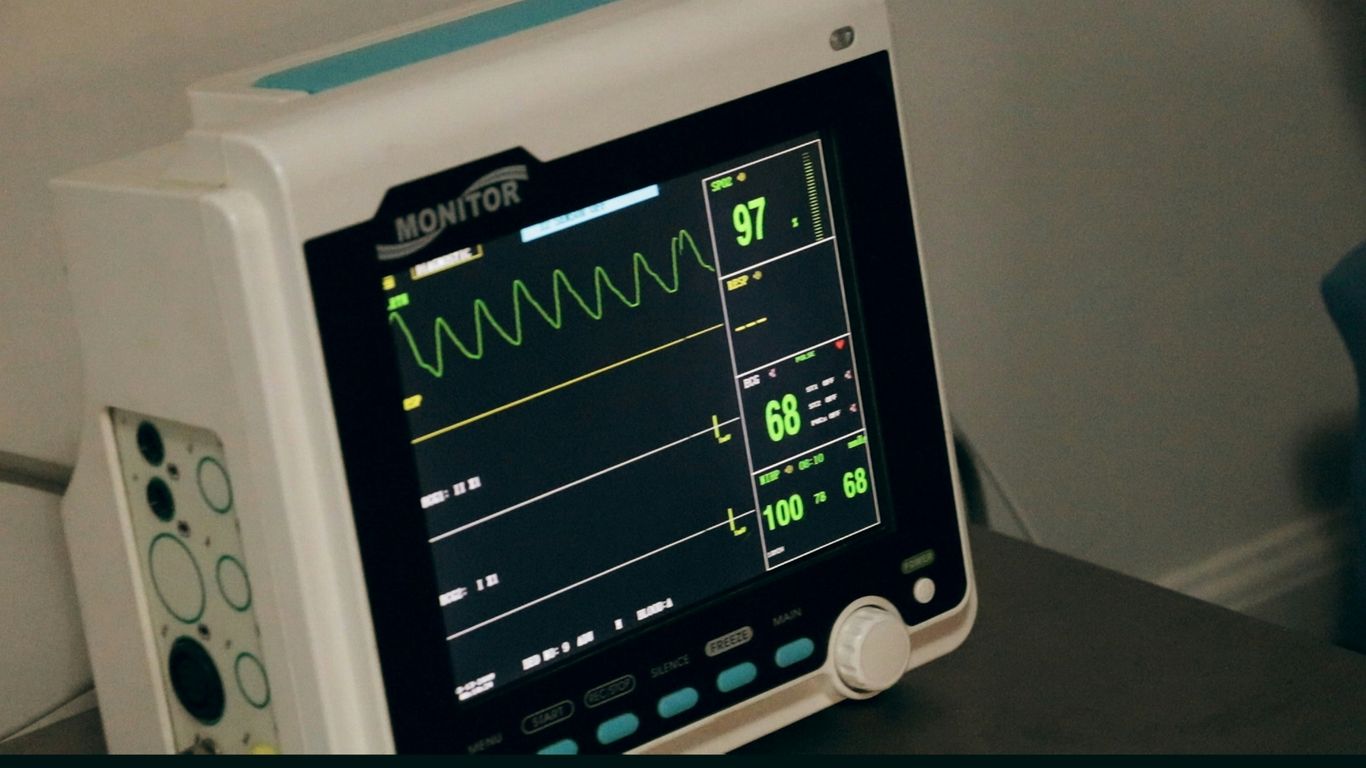
Medical screenings are prone to fatigue-related inconsistencies; computational assistants effectively mitigate these variations by flagging high-risk areas in real-time. Clinicians utilize these outputs to confirm findings, effectively removing the subjective variability inherent in manual visual inspections. As noted in research coverage from Inside Deep Tech, the reliability of these interventions depends largely on the quality of underlying training data used to refine these models.
Personalization of patient treatment plans
The shift toward precision medicine relies on the ability to synthesize massive quantities of patient-specific data into action-oriented insights. Rather than relying on rigid, one-size-fits-all clinical paths, medical teams are utilizing digital twins and historical data to forecast how a specific body will react to a given intervention. This transformative shift in clinical operations is central to improving long-term health outcomes while minimizing unnecessary exposure to ineffective treatments.
Utilizing predictive analytics for patient outcomes
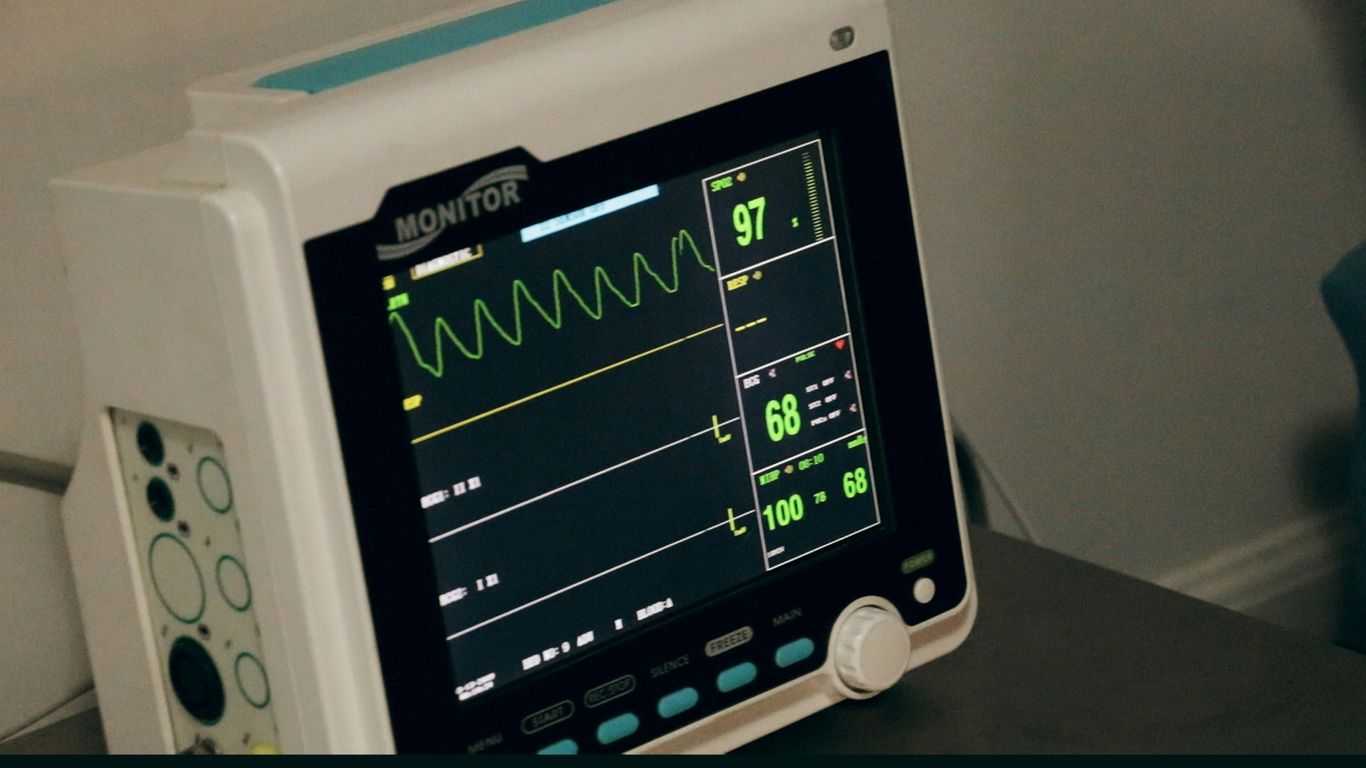
Predictive models allow clinical staff to anticipate patient trajectory, identifying individuals at high risk for complications before they manifest. By training systems on diverse datasets, healthcare organizations can tailor their monitoring frequency based on real-time risk profiles. This proactive engagement prevents the scaling of preventable emergency events.
Tailoring medication dosages via genomic data
Therapeutic efficacy often fluctuates based on metabolic variance and genetic predispositions, factors that traditional dosages fail to account for. By integrating genomic profiling into standard pharmacological planning, physicians ensure that treatments are optimized for individual tolerance. This granular approach decreases side effects while maximizing the likelihood of successful drug response.
Remote monitoring and real-time intervention
Digital health tools enable clinical teams to maintain visibility into patient status outside of hospital walls. With the rise of autonomous logistics in monitoring equipment, providers receive automated alerts when vitals drift outside defined parameters. This allows for immediate telehealth intervention, reducing hospital readmissions significantly.
Operational efficiency in hospital workflows
Optimizing the back-end infrastructure of hospitals is as critical as direct patient care for maintaining a sustainable healthcare ecosystem. Hospital administrators must balance fluctuating patient demand with strictly finite physical and human resources. By implementing automated logistical tasks through systems like Moxi, facilities have demonstrated a measurable decrease in non-clinical burden on medical staff.

Automating administrative tasks and scheduling
Administrative bloat consumes significant professional bandwidth that would otherwise be directed toward patient interaction. Automating the intake pipeline ensures that patient flow remains steady while reducing the likelihood of scheduling bottlenecks that disrupt care delivery. The following table represents typical efficiency gains reported after the adoption of automated scheduling systems:
| Process Category | Traditional Timeframe | AI-Optimized Timeframe | Efficiency Gain |
|---|---|---|---|
| Patient Intake | 25 minutes | 8 minutes | 68% |
| Shift Assignment | 4 hours | 30 minutes | 87% |
| Equipment Tracking | 60 minutes | 5 minutes | 92% |
These reductions demonstrate how high-level optimization efforts effectively increase the availability of clinical personnel, allowing for more time dedicated to active treatment.
Predictive resource allocation and staffing
Staffing needs in intensive care units often fluctuate due to seasonal illnesses and unforeseen community events. Instead of static staffing tables, modern systems utilize demand forecasting to adjust shift planning dynamically. This strategy ensures adequate coverage during peak periods without incurring unnecessary costs during lower utilization phases.
Supply chain management and inventory control
Managing medical inventory involves constant tracking of expiring supplies and critical diagnostic kits. AI models enable hospitals to maintain a lean inventory, utilizing sensors to monitor stock levels and automatically triggering replenishment orders. This ensures essentials remain available, preventing disruptions to elective procedures and basic pharmacy operations.
Drug discovery and pharmaceutical research
The timeline for bringing a therapeutic to market has historically been constrained by the iteration cycles required for laboratory testing. By leveraging computational biology, researchers can simulate interactions in a digital environment, discarding ineffective candidates long before traditional wet-lab prototypes are manufactured. This accelerates the R&D process, allowing revolutionary technologies to enter clinical pathways at a pace that was unimaginable two decades ago.

Accelerating the clinical trial process
The efficacy of clinical trials often hinges on recruiting the correct patient population, which is a notorious bottleneck for researchers. Computational analysis identifies optimal candidate cohorts quickly, decreasing the time spent in study design and patient acquisition. The process benefits from structured workflows:
- Algorithmic analysis of medical records to identify potential candidates.
- Automated matching of study criteria against global patient databases.
- Dynamic monitor alerts to ensure adherence to trial protocols.
- Real-time data synthesis to validate interim findings during studies.
This workflow ensures that trials remain on schedule, minimizing the risk of project stagnation and reducing financial overhead.
Mapping protein structures with machine learning
Protein folding remains one of the most complex challenges in biochemical research, impacting the design of drugs for various conditions. Machine learning models have revolutionized this domain by predicting three-dimensional structures with remarkable accuracy, circumventing months of experimental visualization. This capability directly informs the development of small-molecule therapeutics.
Identifying drug targets in record time
Finding specific cellular sites where a drug might exert a therapeutic effect is essentially a search through massive molecular maps. Digital tools drastically shorten this phase by highlighting high-probability target sequences for immediate exploration. This allows medicinal chemists to prioritize their efforts on the most promising compounds early in the development lifecycle.
Ethical considerations and data privacy
The rapid implementation of algorithmic systems brings forward profound questions regarding the nature of patient privacy and systemic fairness. As organizations integrate these tools, maintaining a high standard for data governance becomes the primary defense against potential abuses. Transparency must be treated as a core architectural principle rather than an aesthetic choice.
Mitigating bias in algorithmic decision-making
Datasets used to train predictive models can inadvertently capture historical societal biases if not properly cleaned. Developers must rigorously evaluate outcomes across demographic groups to ensure that clinical recommendations do not disadvantage vulnerable populations. Constant auditing is essential for maintaining trust in these automated tools.
Ensuring HIPAA compliance for patient data
Strict adherence to data privacy regulations is non-negotiable in the development of healthcare software. Systems must incorporate secure enclaves for processing sensitive information, ensuring that patient identity remains strictly protected throughout the analytical journey. Compliance is the foundational requirement for any scalable medical technology.
Maintaining transparency in diagnostic reports
Clinical systems must ensure that every suggestion generated by an AI model is accompanied by a rationale that a human expert can review. Obfuscated diagnostics lead to a degradation of the physician-patient relationship, as trust is built upon the ability to explain the reasoning behind a specific clinical recommendation.
By ensuring that AI remains a transparent supplement to clinical intelligence, the medical field preserves the nuance required for high-stakes decision-making while avoiding the risks of black-box logic.
Future outlook of AI-driven healthcare systems
The next decade will likely see a transition toward systems that integrate physical motion with diagnostic intelligence, effectively creating intelligent medical agents. Utilizing tools like Scout AI, agriculture-inspired diagnostic methods might even expand into broader monitoring sectors, but the core focus remains the deployment of intelligent autonomy within clinical limits. The infrastructure of 2026 and beyond will be defined by the seamless synthesis of data across global nodes.
Integrating robotics into surgical procedures
Surgical robotics now incorporate precision-enhancing feedback, allowing clinicians to perform complex maneuvers with accuracy exceeding human capability. These systems record data throughout the procedure, which contributes to an ever-evolving map of successful surgical outcomes. This data loop ensures that surgical techniques are constantly refined across the board.
The role of AI in global public health initiatives
AI facilitates the tracking of infectious diseases on a global scale by analyzing population-level data in real time. Beyond local hospitals, these systems provide public health officials with the ability to identify clusters of concern before they transition into widespread outbreaks. This macro-level view is crucial for coordinating an effective humanitarian response.
Bridging the gap between rural and urban care
Telehealth innovations allow patients in isolated or rural regions to access the same caliber of specialist diagnostics as those in major metropolitan hubs. By removing the physical barrier to expert screening, these platforms democratize medical access. This trend ensures that geographic location no longer serves as an arbitrary determinant of health outcomes.
Conclusion
The adoption of intelligent systems in medicine is not a fleeting trend but a foundational shift that promises to reorganize how we treat and perceive chronic health challenges. By prioritizing both rigorous data integrity and the preservation of human-led oversight, the industry will continue to refine these tools into highly effective agents of wellness. The evolution from experimental diagnostic software to robust clinical infrastructure represents a monumental achievement for the healthcare sector, ensuring that as our analytical capacity grows, so does our ability to deliver precise, effective care to every patient.
Frequently Asked Questions
Is artificial intelligence replacing physicians in modern care?
Artificial intelligence acts as a sophisticated tool for augmenting the capabilities of medical professionals, such as aiding in pattern recognition and data synthesis, but it does not replace the critical diagnostic authority or empathetic judgment of a human physician.
How does predictive analytics improve patient outcomes?
Predictive analytics uses historical and real-time data to forecast risks of complications or disease progression, allowing for early interventions that address potential issues before they escalate into medical emergencies.
What are the main concerns regarding algorithmic bias in medicine?
Bias arises when training data contains historical societal disparities, which can result in models that offer inaccurate recommendations for specific demographic groups if not properly audited and corrected throughout development.
Can AI ensure patient data remains private and secure?
Healthcare technology requires specialized development of secure infrastructures that comply with rigorous regulations, such as HIPAA, ensuring that sensitive personal information is processed in protected environments away from unauthorized access.
Do surgical robots eliminate the need for an operating room team?
Surgical robots are high-precision tools operated or monitored by surgical teams to improve the accuracy of delicate procedures and are not designed to remove the need for skilled surgical staff in the room.
Can AI assist in rural healthcare accessibility?
AI-driven telehealth platforms enable remote diagnostic and specialist consultations, effectively bridging geographical gaps and allowing patients in underserved regions to receive high-standard care regardless of their location.
What is the advantage of using machine learning in pharmaceutical research?
Machine learning significantly reduces the timeline for drug discovery by simulating chemical interactions and identifying viable drug targets in a digital environment, preventing the need for time-consuming physical testing of unsuccessful compounds.