Key Takeaways
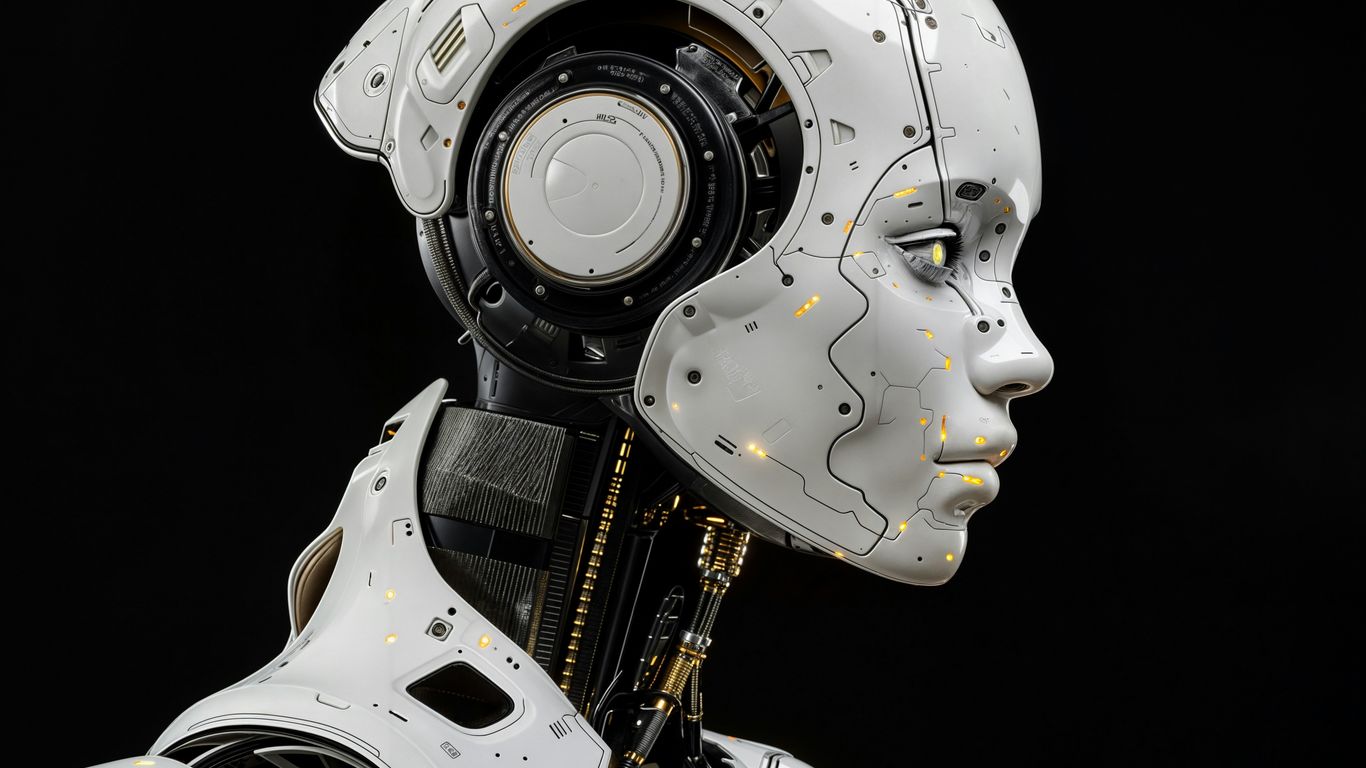
This article examines the evolution of humanoid robotics through the lens of recent foundation model developments. We explore how multimodal AI is transforming robot autonomy from scripted movements to learned, adaptive behaviors.
- The integration of foundation models facilitates generalist reasoning in humanoid robots.
- Multimodal sensory processing allows systems to interpret complex environmental cues via language and vision.
- Simulation-to-reality pipelines significantly reduce the time required to train complex motor policies.
- Hardware-software co-design, specifically in edge computing, is essential for real-time inference.
- Scaling these systems involves rigorous data distillation and safety-focused reinforcement learning methodologies.
Technical architecture of Isaac Gr00t
Foundation model integration for robotics
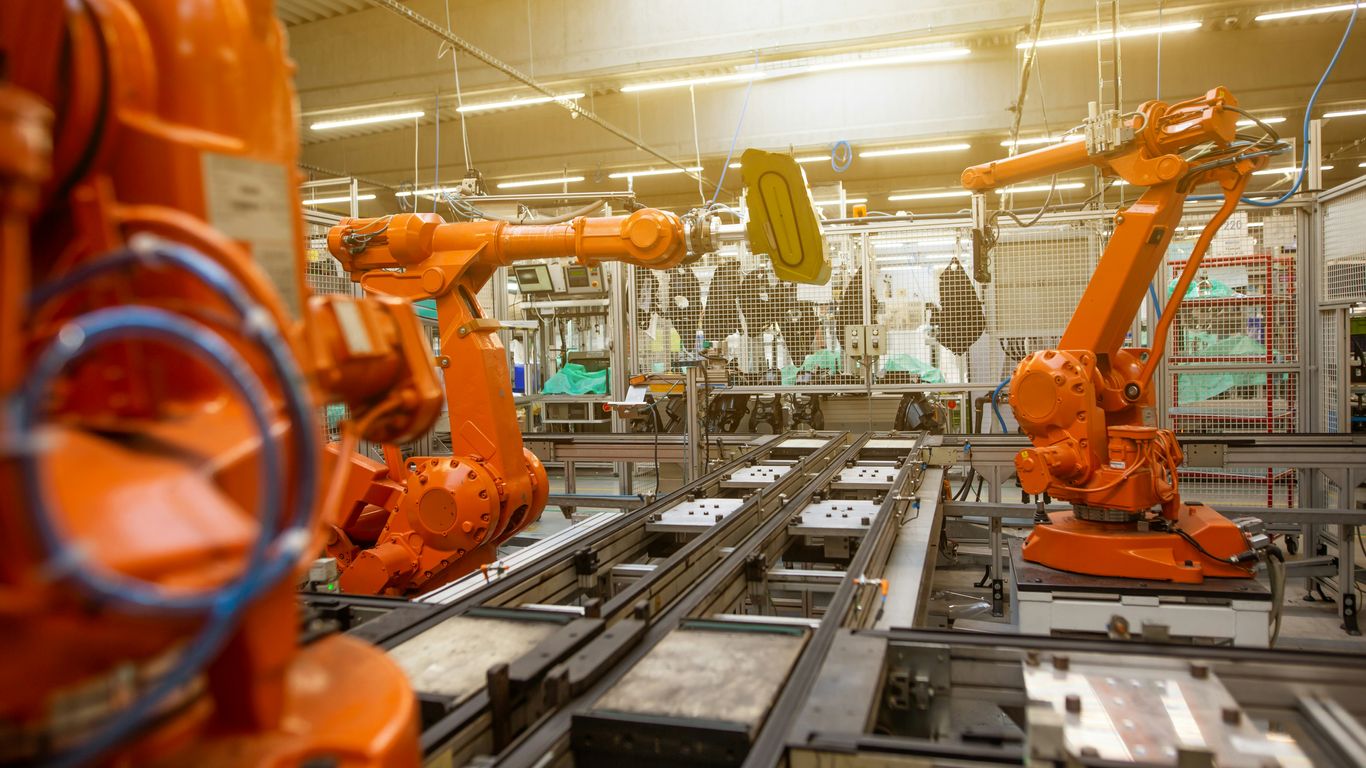
The shift toward generalized autonomy begins with the NVIDIA Isaac GR00T platform, which provides an open reference framework for building humanoid robotic brains. By treated robotics as a problem of sequential decision-making, the architecture relies on a Vision-Language-Action (VLA) model capable of interpreting diverse inputs to generate motor outputs. This serves as the cognitive kernel for robots, allowing them to process natural language instructions alongside visual data.
Multimodal sensory input processing
At the core of the system is the ability to ingest disparate data streams and localize them into a coherent spatial understanding. The model processes visual environment snapshots and language descriptors simultaneously, ensuring that the robot perceives its surroundings with semantic awareness. This multimodal approach is particularly critical when navigating unstructured environments where static programming failures would occur.
Scaling motion policies for humanoid dexterity
Scaling motor policies requires more than just high-density data; it demands an intelligent interpretation of physical constraints. Researchers utilize a diffusion transformer head to denoise continuous actions, ensuring that the resulting motion is both fluid and responsive. This allows for complex behaviors like bimanual material handling, which is documented in NVIDIA Isaac GR00T N1.7 technical specifications.
Training and workflow methodology

Simulation-to-reality pipelines
Transitioning from virtual training to real-world execution is the primary bottleneck in robotics. By leveraging platforms like Omniverse, developers can create synthetic datasets used to train models in a physics-accurate environment before deploying to hardware. This accelerates development cycles while minimizing the potential for mechanical damage during initial trial phases.
Reinforcement learning at scale
Reinforcement learning provides the trial-and-error framework necessary for complex skill acquisition. The workflow typically involves a heterogeneous mixture of real-robot trajectories and internet-scale human video data, which teaches the model how to adjust to novel variability. We have observed that robot autonomy requires diverse data to achieve consistent performance across varied environmental conditions.
Teacher-student model distillation
Distillation serves as a vital optimization layer for edge execution. Larger, compute-heavy teacher models transfer their learned reasoning capabilities to student models, which are optimized for deployment on dedicated processors. This creates a balance between, for example, the high-fidelity perception required for complex object identification and the constrained memory footprint of a mobile robot. The following table summarizes the data sources used:
| Source Type | Data Content | Purpose |
|---|---|---|
| Real-World | Robot trajectories | Fine-tuning policy |
| Synthetic | Simulation data | Initial policy training |
| Internet | Human video | Generalization scaling |
Key capabilities and motion control

Whole-body control systems
Whole-body control enables robots to maintain balance while executing complex manipulation tasks. By utilizing GR00T Whole-Body Control, the robot can interpret gravity, momentum, and contact as interdependent variables rather than isolated parts. This unified policy is a stark departure from earlier decoupled control structures that often resulted in stiff, unnatural movement.
Real-time environmental adaptation
Real-time adaptation is supported by high-frequency feedback loops. If an environmental element shifts unexpectedly—such as a misplaced object or a change in floor friction—the system recalculates the action plan within milliseconds. This responsiveness is critical in industrial settings, which often mirror autonomous mobile warehouse robots in their need for consistent, collision-free motion.
Imitation learning from human demonstrations
Learning from human interaction remains a primary driver for new capabilities. By capturing demonstrations through VR teleoperation or video, systems can internalize the nuances of human movement, from finger dexterity to smooth arm trajectories. When developers look toward the future, they often utilize the following developmental sequence for new robot skills:
- Capture 20+ hours of demonstrations.
- Execute simulation-based policy training.
- Verify performance in a sandbox environment.
- Deploy incrementally to edge units.
Hardware integration and deployment
NVIDIA Thor system-on-chip requirements
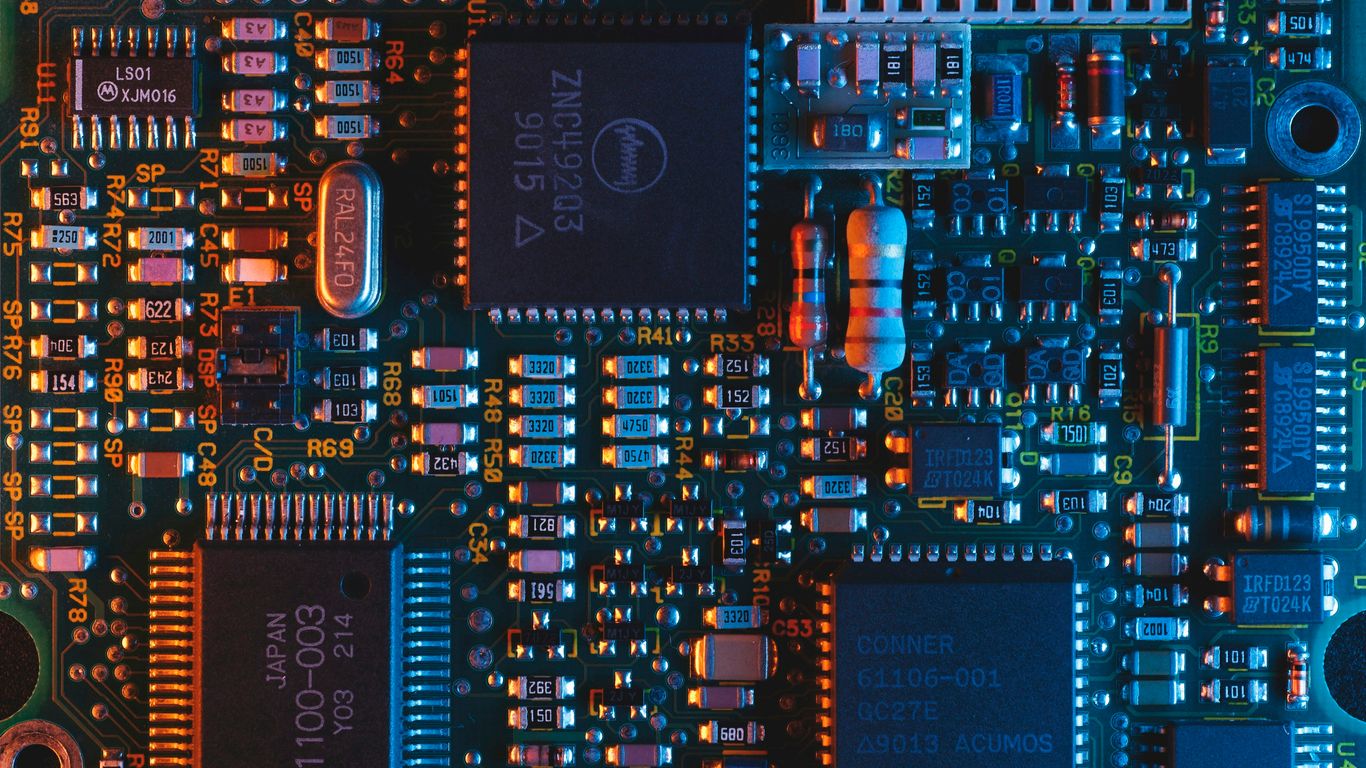
High-performance inference requires hardware specifically engineered for neural network operations. When developers build onto NVIDIA Isaac GR00T Reference Humanoid Robot, the underlying Jetson Thor chip provides the required bandwidth for real-time video processing and motor signal generation. This chip is purpose-built to handle massive matrix multiplication loads that would otherwise bottleneck standard mobile processors.
Latency-sensitive edge computing
Edge computing shifts the processing load from the cloud to the robot, minimizing the round-trip latency that kills responsiveness. Because humanoid robots operate in dynamic spaces where a 100ms delay could lead to a collision, local inference is a non-negotiable requirement. For those exploring the infrastructure landscape, AI infrastructure in 2026 emphasizes how inference-specific chips are now outpacing generic GPU clusters for deployment tasks.
Interface compatibility with existing robotics stacks
Compatibility with existing middleware, such as ROS, ensures that new foundation models do not require a complete redesign of surrounding warehouse systems. By maintaining clear API boundaries, these models can act as a high-level "brain" that controls existing locomotion systems, proving that integration is feasible even in legacy environments.
Challenges and future outlook
Ensuring generalizability across robot hardware
Generalization across different robot bodies—or embodiments—remains a core research challenge. The goal is a model that can provide similar dexterity whether it resides in a legged chassis or a wheeled base. Currently, mapping foundational capabilities to diverse hardware requires significant post-training to align the model with physical kinematics.
Safety and ethical considerations in humanoid deployment
Safety is not just a technological hurdle; it is a regulatory requirement for humanoid entry into public or domestic spaces. Establishing robust error-handling protocols, such as emergency braking or safe-state defaults, is vital. As autonomous systems enter shared human spaces, the focus will likely shift from purely task-based performance to behavioral alignment and unpredictable scenario mitigation.
Evolving the Isaac robotics ecosystem
Looking beyond immediate deployments, the ecosystem is shifting toward open standardization of robot data. By sharing motion data and verified software checkpoints, the research community is lowering the barrier to entry for smaller firms, much like Agility Robotics has demonstrated in niche logistics markets. This creates a feedback loop where every successful deployment informs the performance of future model iterations.
Conclusion
The trajectory of humanoid robotics is now inextricably linked to the maturation of foundational AI models. By combining multimodal reasoning with hardware-aware control, developers are finally moving past rigid programming toward systems that possess genuine physical intelligence. While significant challenges regarding safety and cross-platform generalization remain, the rapid convergence of these technologies suggests a future where robots adapt to our environment, rather than forcing us to adapt to theirs.
Frequently Asked Questions
Why are foundation models critical for robotics?
Foundational models provide a base level of general intelligence that allows robots to interpret diverse inputs, such as language or complex visual scenes, enabling them to reason through tasks without explicit, hard-coded commands for every movement.
How does synthetic training change robot development?
Synthetic training allows robots to experience thousands of operating scenarios in a virtual, high-speed physics environment. This significantly mitigates the risk of downtime or hardware damage during the testing phases of complex motor policies.
What role does edge compute play in humanoid performance?
Edge computing, particularly through high-performance system-on-chip architectures, ensures that the massive amounts of data processed for inference happen locally on the robot. This removes the latency issues that arise when relying on remote cloud connectivity.
Can models generalize across different robot hardware?
Generalization is a central goal in modern robotics research. By treating the physical body as an embedding or parameter set, researchers are developing models that can be adapted through post-training to function on different joint and limb configurations.
What does multimodal input mean in a robot context?
Multimodal input refers to the ability of the robot’s controller to digest data from multiple sensory sources, such as cameras and microphones, then combine those streams to understand a scene or execute an instruction.
How is environmental adaptation achieved in real-time?
Adaptation is achieved by closing the feedback loop between sensors and the central control model. When the robot detects a deviation from its expected sensor data, it can immediately adjust its motor output to stabilize the motion.
Are current systems ready for widespread humanoid deployment?
While the foundation model technology is mature in laboratory and research settings, widespread deployment still faces hurdles including safety regulation, long-term mechanical endurance, and the economic scalability of fully integrated humanoid platforms.