Key Takeaways
Delivery robot companies compared in 2026 reveal a market shaped less by spectacle than by operating conditions, autonomy, safety, and unit economics.
- Sidewalk, road, campus, and indoor robots address different delivery problems.
- Deployment evidence matters more than a polished prototype demonstration.
- Remote supervision remains part of many autonomous delivery models.
- Fleet operations, maintenance, and charging can determine commercial viability.
- Buyers should compare the complete operating system, not just the robot.
1. Starship Technologies
Starship Technologies belongs in any serious comparison of autonomous delivery because its public materials describe robots delivering hot food, groceries, and industrial supplies. The company also describes a combination of radars, cameras, sensors, and machine learning used to identify objects and navigate surrounding environments. That places the emphasis on repeated sidewalk operation rather than on a single technology demonstration.
The useful question for operators is not simply how autonomous a robot appears in a video. It is where the system operates, how it handles crossings and pedestrians, and what kind of supervision supports a delivery at scale. Starship’s published figures include more than 10 million completed deliveries and operations across more than 300 cities and industrial sites, making deployment history a central part of the comparison rather than a footnote.
A careful buyer would still separate reported scale from a guarantee of performance in a new market. The surrounding service model matters just as much: retailer relationships, delivery-app connections, charging, maintenance, and local operating rules all affect the economics. Broader context on the category appears in this autonomous delivery robotics analysis, while a separate robotics companies overview helps place sidewalk delivery within the larger robotics industry.
2. Serve Robotics
Serve Robotics focuses its public positioning on low-emissions last-mile delivery. Its robots are described as moving with pedestrian traffic to deliver goods, including food, to customers. That operating environment makes perception and interaction with people just as consequential as battery capacity or cargo volume.
The company’s published robot specifications list approximately zero grams of CO₂ per kilometer, a cargo capacity of about 13 gallons, and a top speed of up to 11 miles per hour. Those figures are useful reference points, but they should be read as specifications rather than as a universal promise about delivery times or operating cost. The operating envelope matters most when comparing one fleet with another.
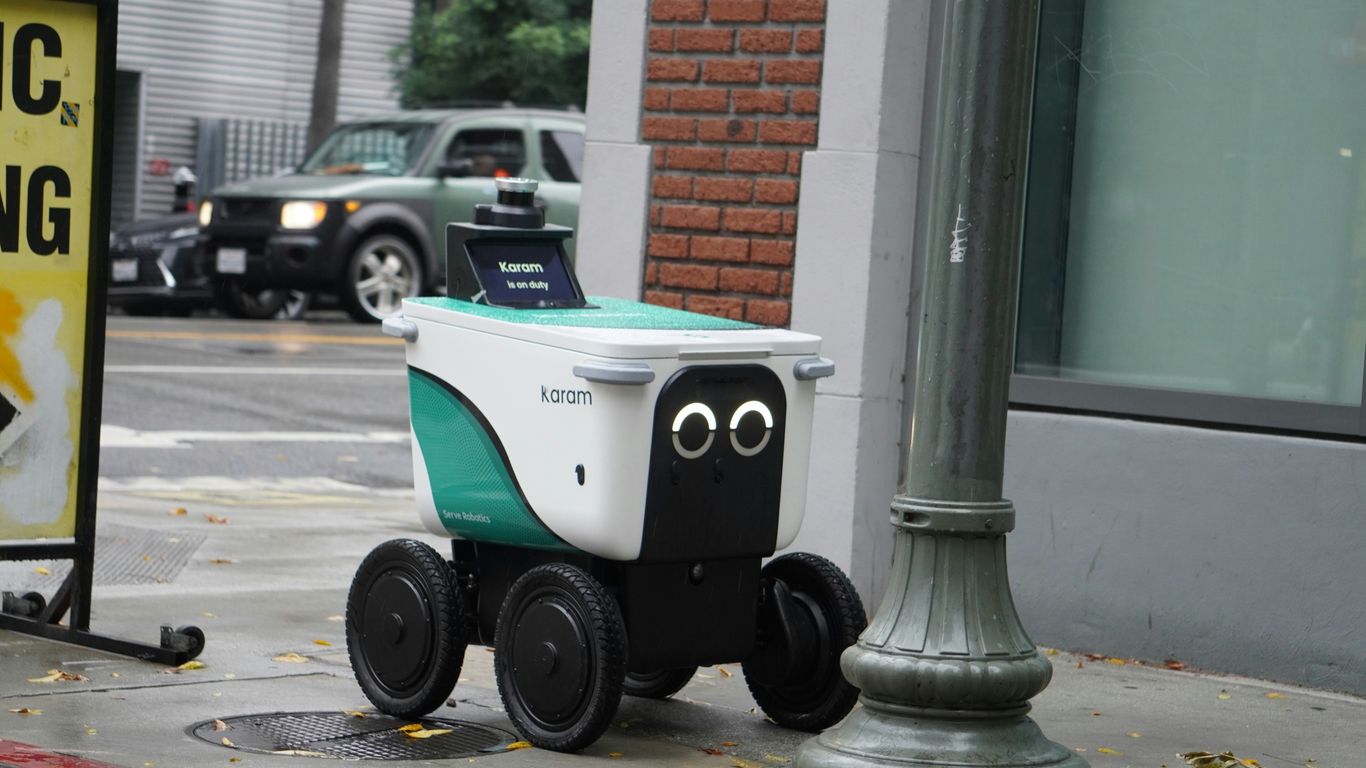
For a deployment team, the assessment should include curb access, pedestrian density, weather, loading procedures, and the escalation path when a robot encounters an unusual obstacle. The category’s public discussion of low-emissions local delivery is a useful companion to those questions. The same discipline used to evaluate business AI tools also applies here: the right comparison starts with the workflow and its measurable bottleneck, not with the novelty of the hardware.
3. Nuro
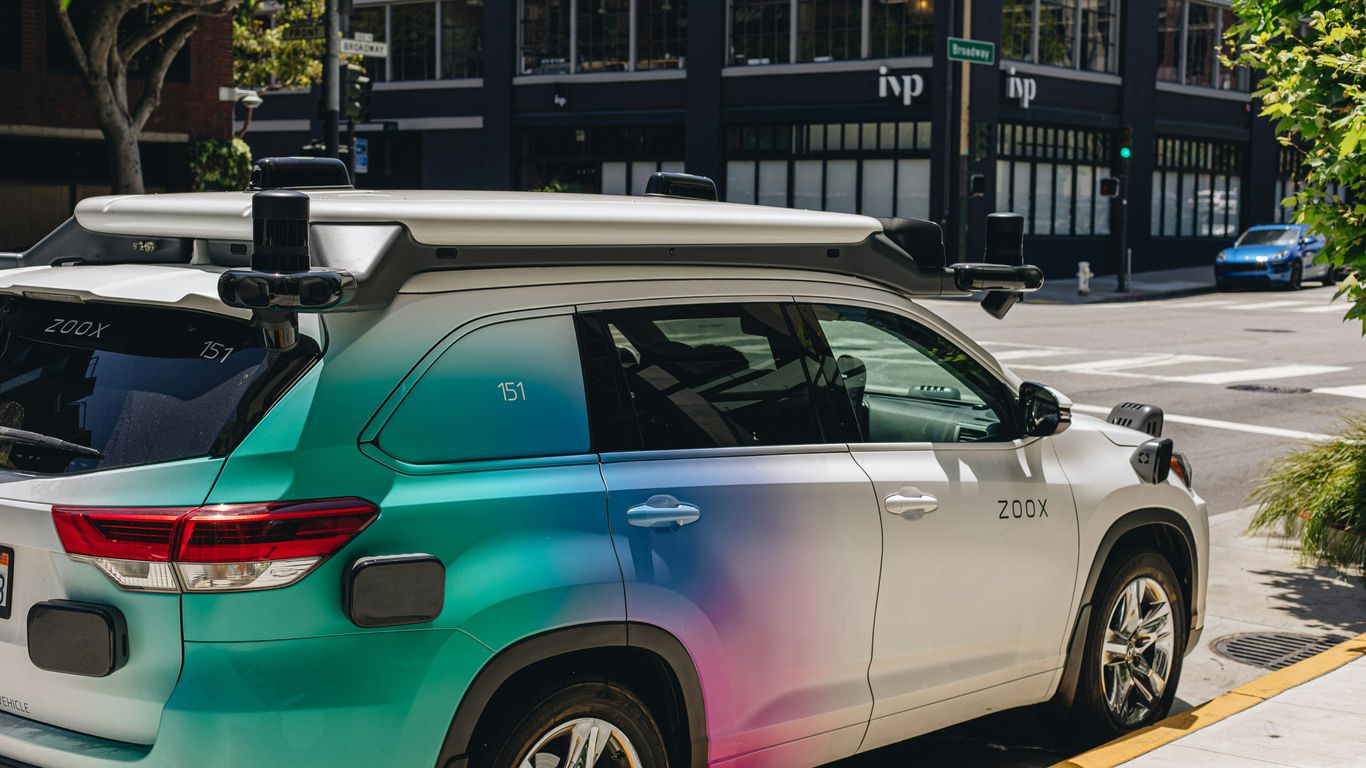
Nuro represents a different point in the delivery-robot spectrum from a compact sidewalk machine. Its inclusion raises a basic comparison issue: autonomous delivery vehicles can be designed for different road environments, payload assumptions, and service territories. A buyer should therefore avoid treating every company in this list as a direct substitute.
The relevant evaluation begins with the route. Road-going systems face different requirements from sidewalk robots, including interaction with traffic, pickup and drop-off design, and the regulatory conditions governing public-road operation. Those differences can change the capital model as much as the autonomy stack does.
For investors and operators, the strongest evidence is a sustained operating program with clearly defined tasks. Prototype footage can demonstrate perception or motion planning, but it does not establish utilization, maintenance intervals, customer acceptance, or cost per completed delivery. A useful comparison keeps those categories separate and avoids turning technical possibility into commercial certainty.
4. Coco Robotics
Coco Robotics is best considered within the compact urban-delivery segment, where short routes and dense service areas can make small autonomous vehicles practical. The business case depends on whether a robot can complete enough trips per shift to offset supervision, charging, maintenance, and dispatch costs. Those are operational questions, not merely engineering questions.
The physical form of a delivery robot also shapes the customer experience. A machine that uses public pedestrian space must be legible, predictable, and easy to access at the destination. Small design choices around doors, notifications, and handoff can determine whether a technically successful delivery feels convenient.
The comparison should also account for local constraints. Sidewalk width, curb cuts, construction, seasonal weather, and municipal rules vary sharply between markets. A company may perform well in one operating district and require a different service model in another, so reported deployments should be interpreted as evidence from particular conditions rather than as a blanket guarantee.
5. Cartken
Cartken belongs in the comparison because delivery automation increasingly extends beyond ordinary city sidewalks. Industrial sites, campuses, and controlled facilities can offer clearer routes and more predictable access than dense public streets. That does not remove the autonomy challenge, but it changes the balance between navigation complexity and operational control.
For a facility manager, the first practical task is to map the handoffs. The route from a kitchen, store, warehouse, or internal service point may involve doors, elevators, loading areas, and people crossing unexpectedly. A deployment plan should specify which parts are automated, which require remote assistance, and how exceptions are recorded.
The following checklist captures the questions that usually deserve attention before a pilot:
- What route and delivery volume will define success?
- Which obstacles require remote intervention?
- Where will the robot charge, wait, and receive maintenance?
- How will access, safety, and incident data be reviewed?
A pilot becomes more informative when these conditions are measured from the start. Otherwise, a successful demonstration may say little about whether the system can support a repeatable service with predictable costs.
6. Kiwibot
Kiwibot is part of the campus and local-delivery conversation, a segment where route repetition can make autonomous service easier to evaluate. Campuses also expose robots to a varied mix of pedestrians, bicycles, crossings, events, and changing access rules. That makes them useful test environments, but not automatically representative of every urban deployment.
A comparison should distinguish the robot from the surrounding program. Dispatch software, customer notifications, merchant preparation, remote oversight, and site coordination can determine whether the service works in practice. The vehicle is only one component of the system that a customer experiences.
Operators should also track the less visible measures. Completion rate, intervention frequency, idle time, battery turnaround, and failed handoffs offer a clearer view of readiness than raw mileage alone. A measured campus pilot can reveal where the model is strong and where additional operational design is required.
7. Avride
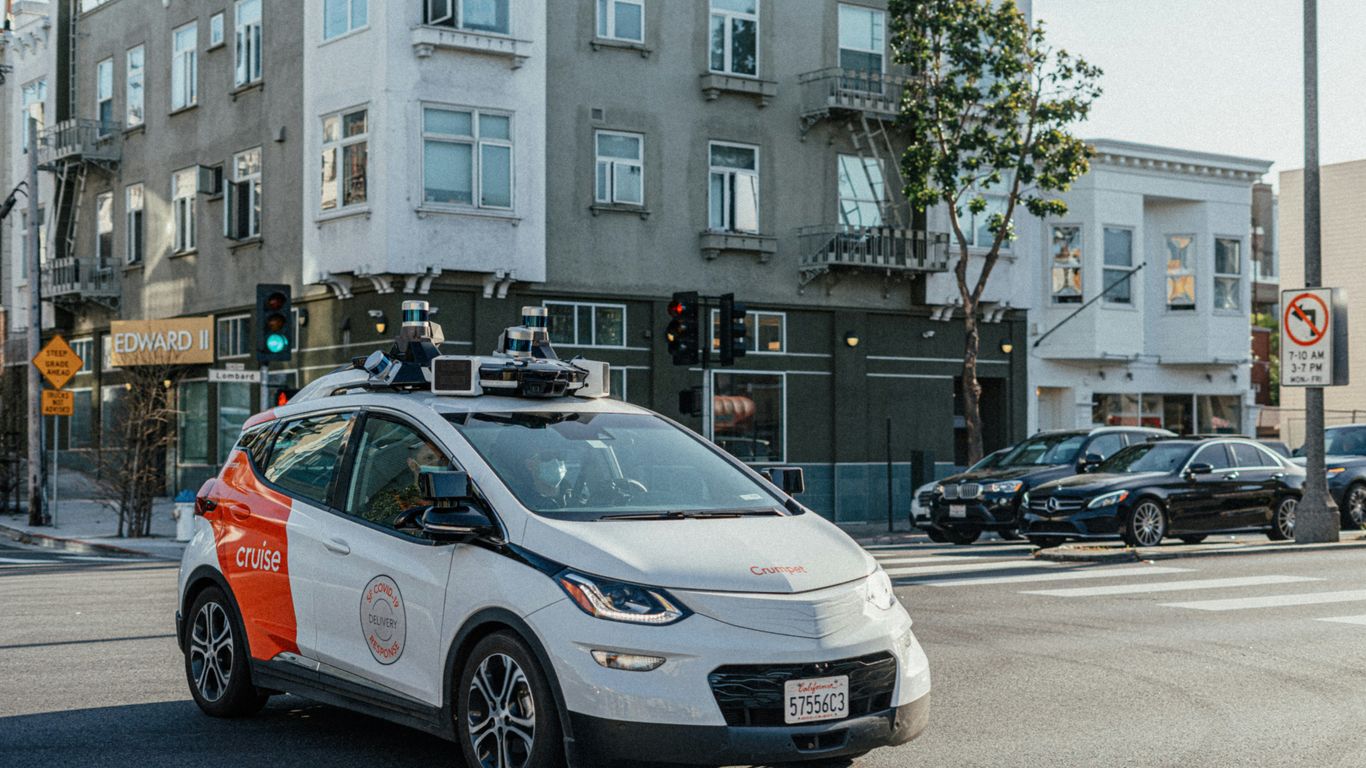
Avride illustrates why the phrase delivery robot can conceal several different technical categories. Some systems are optimized for pedestrian-scale routes, while others are designed around road travel or broader autonomous mobility. Comparing them by appearance alone produces a misleading ranking.
The more useful frame is the relationship between vehicle, environment, and task. A road-oriented system may cover longer routes but face more demanding traffic interactions. A smaller machine may fit dense destinations but carry less and depend more heavily on carefully selected service zones.
That distinction also affects financing and deployment timelines. Hardware, mapping, insurance, regulatory approvals, and fleet operations can mature at different rates. For readers tracking the broader field, robotics startups to watch provides additional context, while this article’s narrower comparison asks which delivery model fits a specific operating environment.
8. Ottonomy
Ottonomy is included as a reminder that delivery automation does not stop at the public sidewalk. Airports, transport facilities, commercial buildings, and other managed spaces can create a different kind of last-mile problem, with deliveries moving through large properties rather than between city blocks.
In these settings, integration is often the decisive issue. A deployment may need to coordinate with property access, elevators, security procedures, customer identity, and staff workflows. Navigation can be technically capable and still fail to create value if the robot cannot complete the final handoff smoothly.
The strongest evaluation therefore follows the entire journey. It asks where an order originates, how it is loaded, how the recipient is notified, and what happens when access is blocked. This systems view is more revealing than a speed comparison because it exposes the points where human labor and automation still meet.
9. Meituan
Meituan sits within the large-scale urban delivery discussion, where the challenge is not only moving an item autonomously but coordinating demand, merchants, routes, and customer expectations. Dense networks can create valuable delivery volume, yet they also introduce congestion, curb conflicts, weather variation, and complex pickup timing.
For a platform operator, fleet intelligence may matter as much as the vehicle itself. Orders must be assigned, routes updated, and exceptions resolved without turning remote supervision into a hidden labor burden. The commercial test is whether automation improves the whole network rather than only one leg of an individual delivery.
A fair comparison should use common measures across very different companies. The table below offers a practical starting point for structuring that analysis.
| Dimension | What to examine | Why it matters |
|---|---|---|
| Environment | Sidewalk, road, campus, or indoor site | Determines navigation and regulatory demands |
| Payload | Capacity, loading method, and security | Shapes order types and merchant workflow |
| Autonomy | Normal operation and exception handling | Indicates likely supervision requirements |
| Economics | Utilization, maintenance, and labor | Connects technical performance to viability |
The table is not a league table. It is a way to keep unlike systems from being compared on a single headline metric, especially when one company is operating in a managed site and another is navigating public streets.
10. Pudu Robotics
Pudu Robotics closes the list with a useful boundary question: where does delivery end and service robotics begin? Indoor transport, hospitality, and facility workflows can resemble last-mile delivery when a machine carries goods to a person, even if the setting is a restaurant, hotel, or commercial building rather than a neighborhood.
That overlap matters for buyers evaluating automation portfolios. An indoor system may benefit from controlled flooring, mapped spaces, and known access points, while still requiring dependable interaction with staff and customers. The relevant performance measures remain completion, availability, intervention, and total operating cost.
The broader market is moving toward specialized robots matched to specific environments. That is a more credible path than assuming one platform will work equally well everywhere. Readers seeking a wider view of delivery robot brands can use that market survey as a reference, but each deployment still needs its own evidence, baseline, and success criteria.
Conclusion
The delivery robot companies compared here represent different answers to the same logistical problem: how to move goods through a defined environment with less friction and more predictable cost. The most durable comparisons will focus on deployment evidence, exception handling, integration, safety, and unit economics rather than autonomy claims alone. For technical and commercial teams, the right choice is the system that fits the route, workflow, and operating constraints they can actually support.
Frequently Asked Questions
What is a delivery robot?
A delivery robot is an autonomous or remotely supervised machine designed to move goods from one location to another. It may operate on sidewalks, roads, campuses, indoor facilities, or other controlled routes.
How do delivery robots navigate?
They generally combine sensors, maps, positioning systems, software for perception and planning, and communications with remote operators. The exact combination varies by vehicle and operating environment.
Are delivery robots fully autonomous?
Not necessarily. Many systems automate normal movement while retaining remote supervision or assistance for unusual obstacles, blocked routes, access problems, or safety-related situations.
What can delivery robots carry?
Payloads vary widely. Some machines are intended for food, groceries, parcels, or internal supplies, while others are designed for smaller handoffs or specific indoor service tasks.
Where do delivery robots work best?
They tend to be easiest to evaluate in environments with repeatable routes, suitable infrastructure, predictable access, and enough delivery volume. Public streets and dense urban areas add more complex variables.
How should a company evaluate a delivery robot pilot?
It should define a baseline and track completion rate, intervention frequency, utilization, delivery time, maintenance, safety incidents, customer acceptance, and total cost. The measures should match the intended operating model.
What is the biggest barrier to wider adoption?
The main barrier is usually not one isolated technical problem. Regulation, public-space access, integration, reliability, supervision, maintenance, and unit economics must work together for a service to scale.