Key Takeaways
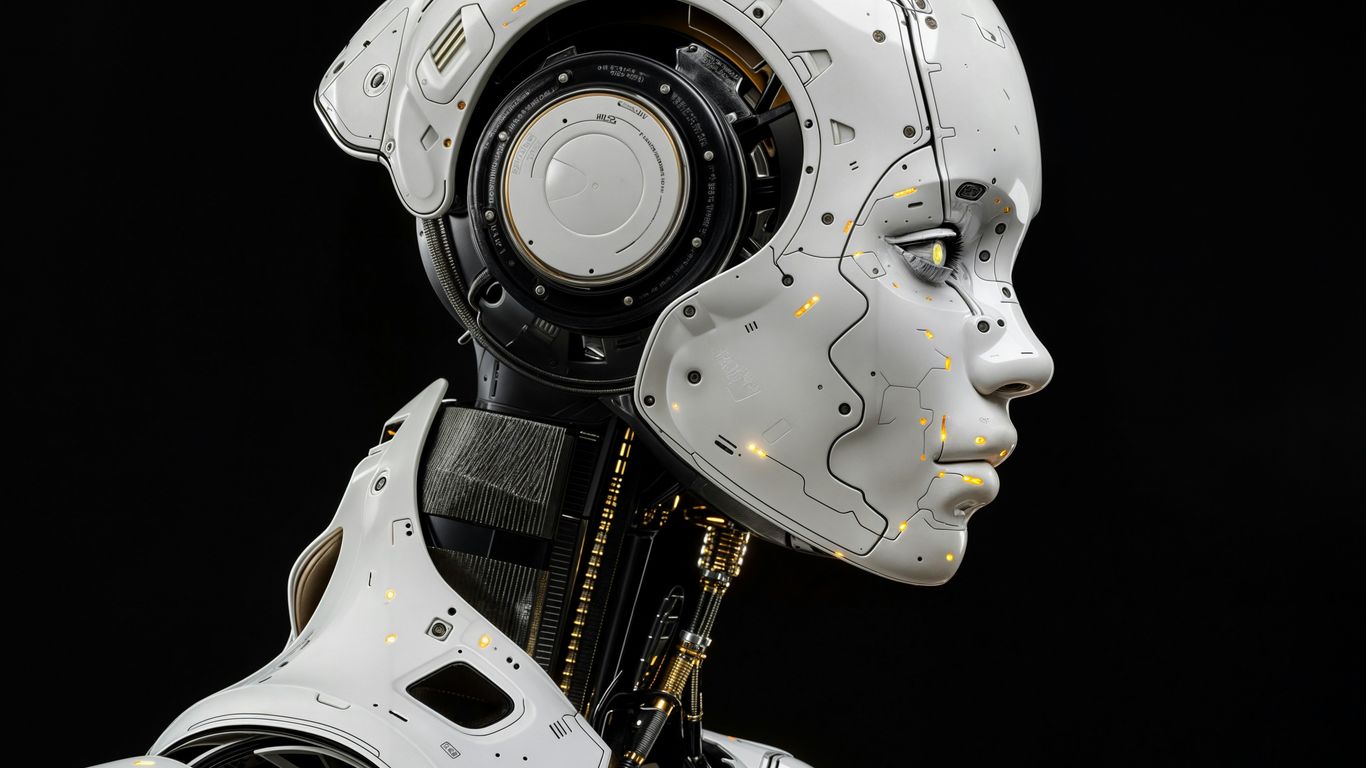
The field of intelligent systems is undergoing a fundamental shift as predictive models move beyond chat interfaces to interact directly with the physical world. This evolution redefines how machines process information, coordinate tasks, and function alongside human operators.
- Foundation models are moving from digital text analysis to physical robotic autonomy.
- Tactical defense systems now use natural language for rapid swarm orchestration.
- Personal agents shift user interaction from prompted queries to automated workflow management.
- Agriculture gains efficiency through localized computer vision and IoT sensor fusion.
- Future deployment hinges on bridging rigid hardware constraints with fluid software scaling.
The rise of Scout AI
Recent shifts in machine learning architecture have brought forth a new category of specialized intelligence designed for real-world interaction. These systems bridge the gap between static data processing and kinetic action, enabling machines to interpret surroundings rather than just executing pre-programmed code. This transition signifies a movement toward adaptive, agentic behavior in diverse operational environments.
Defining Scout AI in a modern context
Scout AI represents a departure from traditional narrow robotics that rely on fixed heuristics. By utilizing foundation models that have been conditioned on multimodal sensory input, these systems can categorize, interpret, and respond to environmental stimuli with unprecedented flexibility. This allows for a more fluid interaction between hardware and the external world, making autonomous systems useful in scenarios that were previously too unpredictable for rigid automation.
How foundation models influence robotics
Traditional robotics often struggled with the 'brittleness' of programmed logic when faced with environmental variations. Foundation models serve as a common cognitive backbone, allowing robots to generalize learned patterns to new, unseen environments without necessitating a complete rewrite of the underlying control algorithms. The capacity to infer appropriate actions from training data facilitates a level of dexterity and decision-making that mirrors biological adaptability. A primary guide to Physical AI details the current trajectory of this integration.
Differentiating between personal agents and autonomous systems
While both categories utilize predictive intelligence, their target environments and operational constraints diverge significantly. Autonomous systems, such as FURY from Scout AI, are optimized for physical tasks and navigation in complex or hazardous terrains. In contrast, personal agents often operate on digital workflows and information management, functioning as a layer of task orchestration rather than physical machinery. The core distinction lies in the primary interface: physical sensors and actuators versus digital application programming interfaces.
Scout AI for defense and robotics
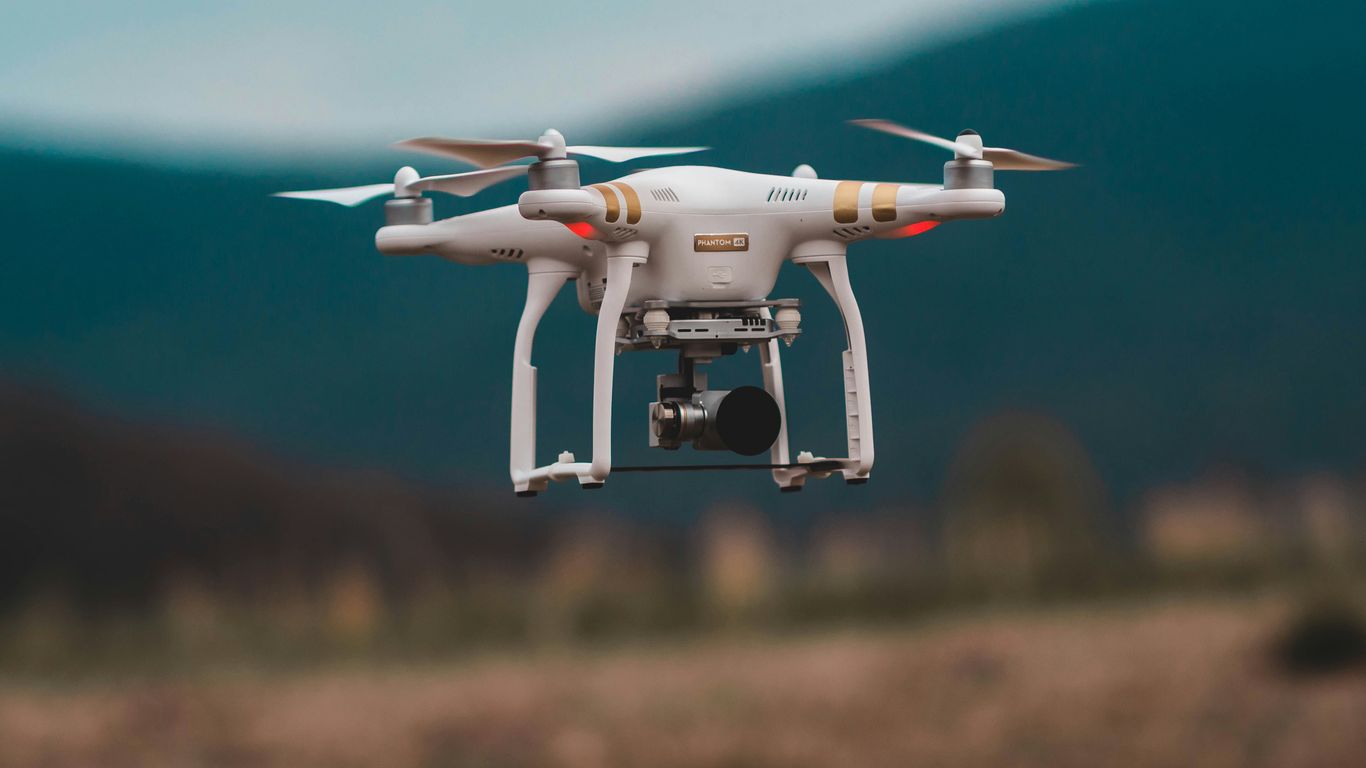
The defense sector has become a primary proving ground for embodied intelligence, where the speed and accuracy of decision-making determine mission success. Integrating advanced foundation models into unmanned platforms allows for a more resilient and responsive defense architecture. This approach reduces the coordination overhead for commanders and enables small teams to manage complex, distributed robotic fleets across multiple domains.
Autonomous navigation in hazardous environments
In theaters where communication signals are unreliable or completely denied, robots must maintain functional autonomy without cloud connectivity. These systems leverage Scout AI foundation models to map surroundings and identify traversable paths in real time. By focusing on low-bandwidth inference and lightweight sensor configurations, platforms can operate successfully without the heavy weight of traditional high-power lidar arrays.
Real-time decision-making for unmanned systems
Effective orchestration of multiple units requires deep, latent understanding of tactical objectives. The following table highlights the operational advantages of moving toward an AI-driven, agentic defense model over manual systems.
| Feature | Manual Operation | Autonomous Agent Capability |
|---|---|---|
| Response Latency | Minutes/Hours | Milliseconds |
| Comm Dependency | Required Always | Edge Independence |
| Scaling Potential | Linear | Exponential |
By decentralizing decision-making, these agents act as force multipliers, consistently applying tactical protocols under conditions that would overwhelm a human operator.
Security implications and privacy guardrails
Operating autonomous systems demands stringent safety protocols to ensure compliance with mission-specific requirements. Because these models are often tasked with identifying and interacting with dynamic elements, developers must implement robust alignment strategies to prevent adversarial manipulation. Secure, encrypted over-the-air updates ensure that model weights remain protected, while internal reinforcement learning loops prioritize safe movement and target engagement, making the underlying robotics technology more resilient to external interference.
Microsoft Scout and the evolving personal agent

The shift toward autonomous digital agents represents an attempt to reclaim productivity from the fragmented state of modern software environments. These systems are designed to exist persistently as background processes, observing and adjusting workflows according to established user priorities and organizational policies. This transition from reactive tools to proactive agents marks a significant leap in enterprise efficiency.
The role of the always-on personal agent
Microsoft Scout serves as a template for this persistent agent category. By staying active within the user's software environment, it observes ongoing interactions to prioritize tasks, summarize information, and manage schedules. The always-on intelligence layer serves to reduce the daily cognitive load on users by handling mundane coordination tasks that would otherwise consume critical attention.
Integrating with Windows and productivity workflows
Integration remains the central challenge for personal agents, requiring visibility across cloud services, file systems, and communication platforms. These agents link disparate data sources to maintain a coherent context, ensuring that any action taken remains grounded in the user's actual work history and administrative permissions. Modern agents represent more than simple automation; they represent a bridge between disconnected productivity silos.
Data handling and user privacy considerations
Privacy-first design is essential when deploying agents capable of deep system access. These agents operate under strictly defined user-granted permissions, with all data processing typically localized or protected by enterprise-grade security layers. This ensures that while the agent can act on behalf of the user, it remains constrained by the organizational boundaries and governance frameworks established by the user's employer.
Agricultural applications of Scout AI

Agriculture is increasingly a data-driven discipline where small, high-frequency interventions yield significantly higher returns than broad, indiscriminate broadcast methods. Intelligent platforms now allow growers to manage fields with granular precision, optimizing resource usage in ways that were previously labor-intensive or technically impossible. This field of study highlights the value of bringing intelligence to the ground level.
Precision farming through visual analysis
By deploying computer vision models to identify plant health metrics in real time, Scout AMP GEN5 enables targeted interaction with individual crops. The system interprets images of foliage to recommend specific fertilizer or water applications, drastically reducing the environmental footprint of farming equipment. This precision-oriented approach assists in mitigating the impact of labor shortages by ensuring that expert-level identification is available at the machine level.
Automating crop surveillance and yield prediction
Modern farms utilize a combination of aerial and ground-based autonomous units to monitor growth patterns throughout the season. These units collect continuous telemetry, which is processed centrally to estimate yields with incredible accuracy. This proactive surveillance allows managers to adjust inputs like water levels or harvest schedules before issues emerge, effectively using sim-to-real transfer and predictive learning to optimize output.
Integrating IoT sensors with AI interpretation
For a system to be truly effective, it must integrate diverse data points beyond what a single camera can capture. IoT sensors across a facility provide context such as soil moisture, temperature, and humidity levels, which the central agent correlates with visual observation to form a complete understanding of the crop's condition. The following list details the core data inputs used for these autonomous monitoring routines:
- Visual RGB and thermal camera imagery for physical plant health assessment.
- Soil volumetric water content sensors monitoring irrigation adequacy.
- Ambient meteorological sensors to provide environmental context.
- Acoustic sensors for detecting equipment mechanical degradation.
This multi-source approach provides the necessary validation for any automated maintenance action the system might suggest or initiate.
Future perspectives on Scout AI technology
Developing autonomous systems is a long-horizon endeavor that requires continuous iteration across hardware and software platforms. While current progress is significant, meaningful deployment at scale faces structural and ethical hurdles that will occupy researchers for the next decade. Success depends on the ability to harmonize high-level software models with physical components that are durable, power-efficient, and easy to maintain.
Ethical challenges in autonomous scouting
Autonomy introduces complex questions regarding accountability, particularly in environments where machines interact with humans or sensitive infrastructures. Establishing clear boundaries for decision-making is necessary to ensure that autonomous agents behave in alignment with intended social and legal norms. The focus is shifting toward refining the reward functions and safety constraints that govern how these machines learn to optimize their objectives.
Scalability of foundation models in new terrains
Applying a single model across heterogeneous terrains like desert, forest, and urban disaster sites tests the limits of generalization. Research into cross-platform compatibility remains active, aiming to share knowledge between different robotic architectures efficiently. If a fleet of air-based drones can share a common decision-making module with ground-based wheeled robots, the cost of deployment declines while speed and reliability both increase.
Bridging the gap between software and hardware
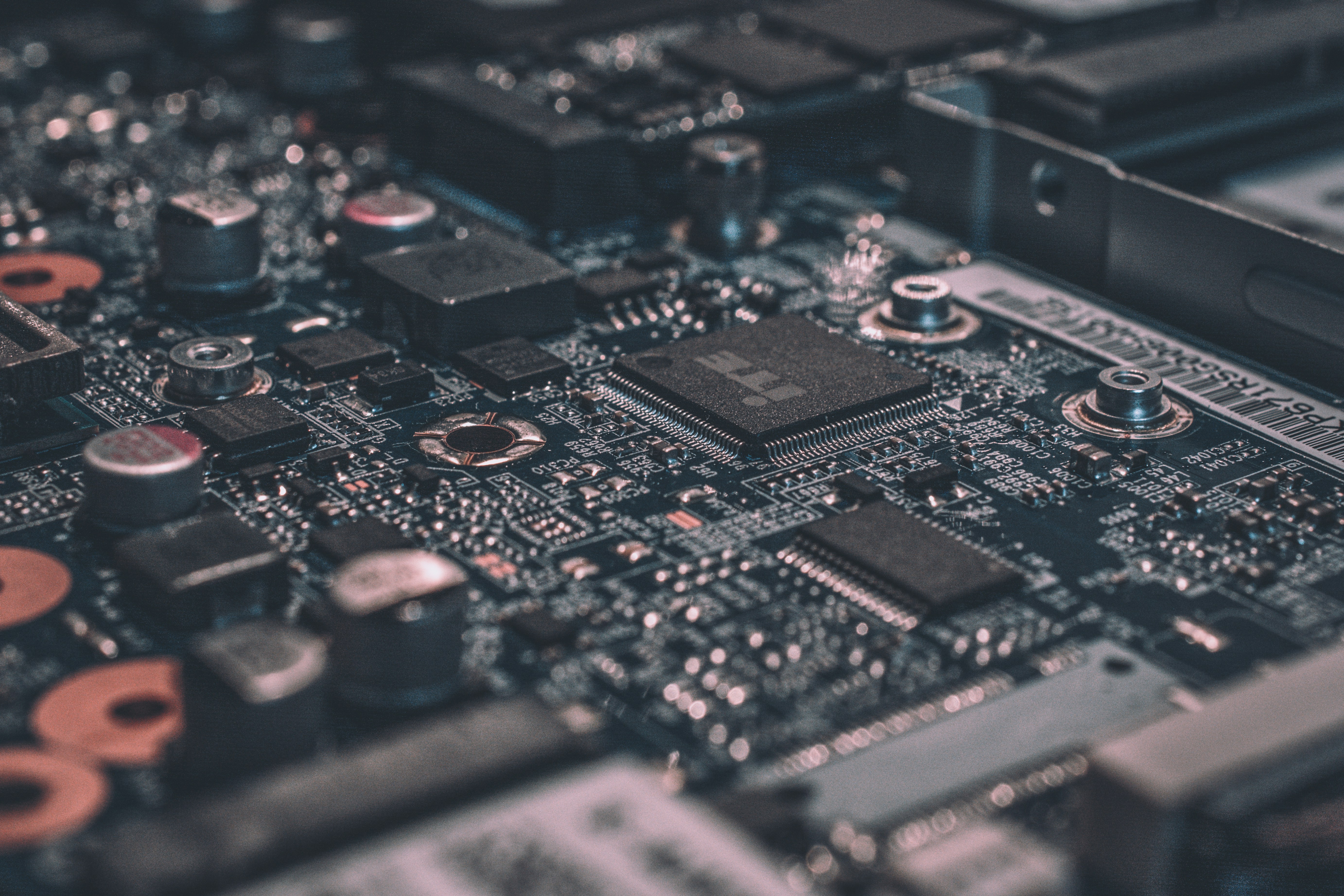
Physical reality is far more constrained than digital logic, involving friction, power consumption, and mechanical wear that AI models must learn to respect. The future of the field depends on developing hardware components designed specifically for AI inference, allowing for a tight, high-performance feedback loop. Improving this integration between advanced construction equipment and intelligent model architecture will determine the eventual success of the entire robotics industry.
Conclusion
Scout AI technology represents a shift toward more intelligent, context-aware systems capable of navigating both physical and digital landscapes. By moving beyond programmed scripts toward adaptive, foundation-based intelligence, these systems are solving complex problems in defense, productivity, and agriculture. As these models become more reliable and integrated with physical hardware, they will continue to redefine the baseline for operational efficiency across all major sectors of the global economy.
Frequently Asked Questions
Why is physical intelligence different from digital AI?
Physical intelligence requires machines to handle real-world phenomena like gravity, lighting shifts, and mechanical wear, which digital systems ignore. The control layer must constantly adapt to unpredictable external feedback that traditional software systems rarely encounter.
Can personal agents be used in high-security environments?
Yes, personal agents are increasingly built to satisfy strict enterprise security models. They operate within designated permission structures that prevent unauthorized access to sensitive data while ensuring that all background actions are logged and authenticated.
How does autonomous navigation handle GPS-denied locations?
Systems use internal spatial mapping and sensor fusion to orient themselves without external geolocation signals. This allows them to stay functional in shielded or jammed areas where standard guidance technology fails to provide sufficient data.
What makes foundation models unique in industrial applications?
These models allow machines to generalize skills to tasks and environments not present in the training set. Instead of needing new code for every scenario, the foundation model applies its learned understanding to interpret and navigate new operational parameters.
Are autonomous units capable of coordinating in swarms?
Advanced autonomous systems can communicate via natural language or machine protocols to coordinate tactics among multiple units. This enables a unified mission response where agents partition tasks effectively based on their specific hardware capabilities and real-time situational awareness.
How does IoT integrate with autonomous agents?
IoT sensors act as an extension of the agent's sensory perception, providing data on soil, atmospheric, or mechanical conditions. The agent evaluates this telemetry alongside its visual feed to form a more comprehensive view of its environment and adjust its behavior correspondingly.
What are the limits of current autonomous technology?
Despite progress, systems still face limitations regarding long-term power autonomy and mechanical maintenance in extreme environments. Bridging the gap between software capability and hardware durability remains the most significant challenge for frontier robotics developers today.