Key Takeaways
Modern industrial environments are increasingly adopting sophisticated robotics to improve site safety and operational transparency. This article examines the technological foundation and deployment trajectory of autonomous inspection platforms.
- Advanced legged locomotion enables robots to navigate stairs and uneven terrain previously inaccessible to wheeled vehicles.
- Sensory integration, including multi-modal LiDAR, creates precise digital twins for remote infrastructure monitoring.
- Autonomous systems reduce human presence in high-risk zones, such as chemical processing and offshore production areas.
- Effective deployment depends on robust network infrastructure and systematic fleet management integration.
- Future industrial workflows will transition from simple mobile inspection to advanced manipulation and AI-driven predictive insights.
The technology behind ANYbotics autonomous mobile robots
Locomotive capabilities and quadrupedal movement
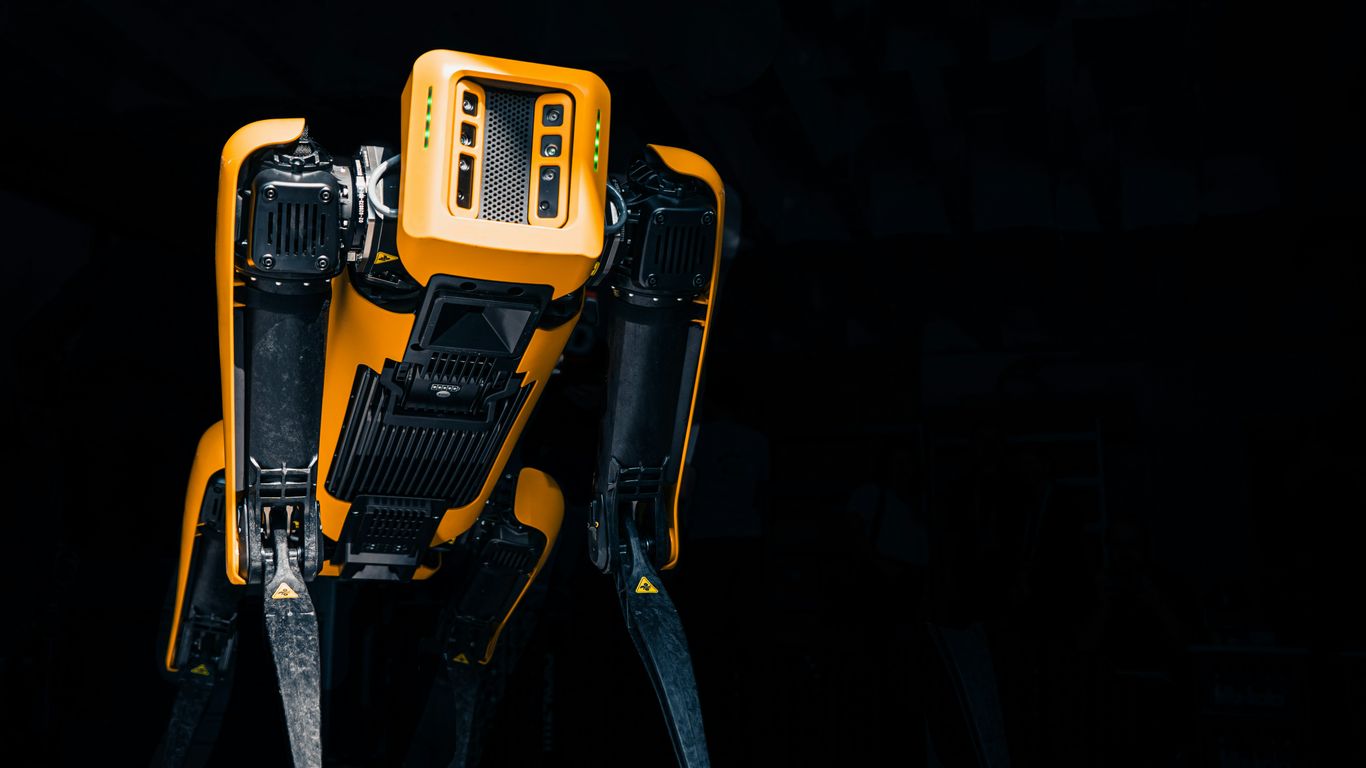
The fundamental design of modern autonomous robotic inspection solutions relies on biomimetic locomotion. By utilizing a four-legged design, these robots achieve stability in environments designed for human movement rather than industrial machinery. This approach enables them to climb stairs, navigate over debris, and maintain balance on uneven surfaces where traditional tracked or wheeled systems frequently fail. The physical flexibility allows for seamless integration into existing plant architecture without the need for significant civil engineering modifications.
Sensory suites and LiDAR integration
To effectively interpret their surroundings, ANYbotics robots incorporate a multi-modal array of sensors. LiDAR systems serve as the primary spatial reference, allowing for the construction of high-resolution point clouds in real-time. This spatial awareness is supplemented by thermal cameras, microphones, and gas sensors that detect anomalies across the visual and sensory spectrum. By fusing these data streams, the system moves beyond mere locomotion to perform autonomous data collection and analysis in volatile environments.
Navigation in complex industrial environments
Navigation in dense, multi-level plants introduces significant technical challenges regarding localization. Modern navigation stacks use SLAM (Simultaneous Localization and Mapping) algorithms to handle dynamic obstacles, such as moving people or temporary equipment. By processing environmental telemetry, the robot ensures it stays on a predetermined path while calculating safe avoidance maneuvers spontaneously. This ensures that assets are monitored at precise, repeatable intervals, reducing the variance typically associated with manual inspection routes.
Industrial applications for autonomous inspection
Energy and infrastructure facility monitoring
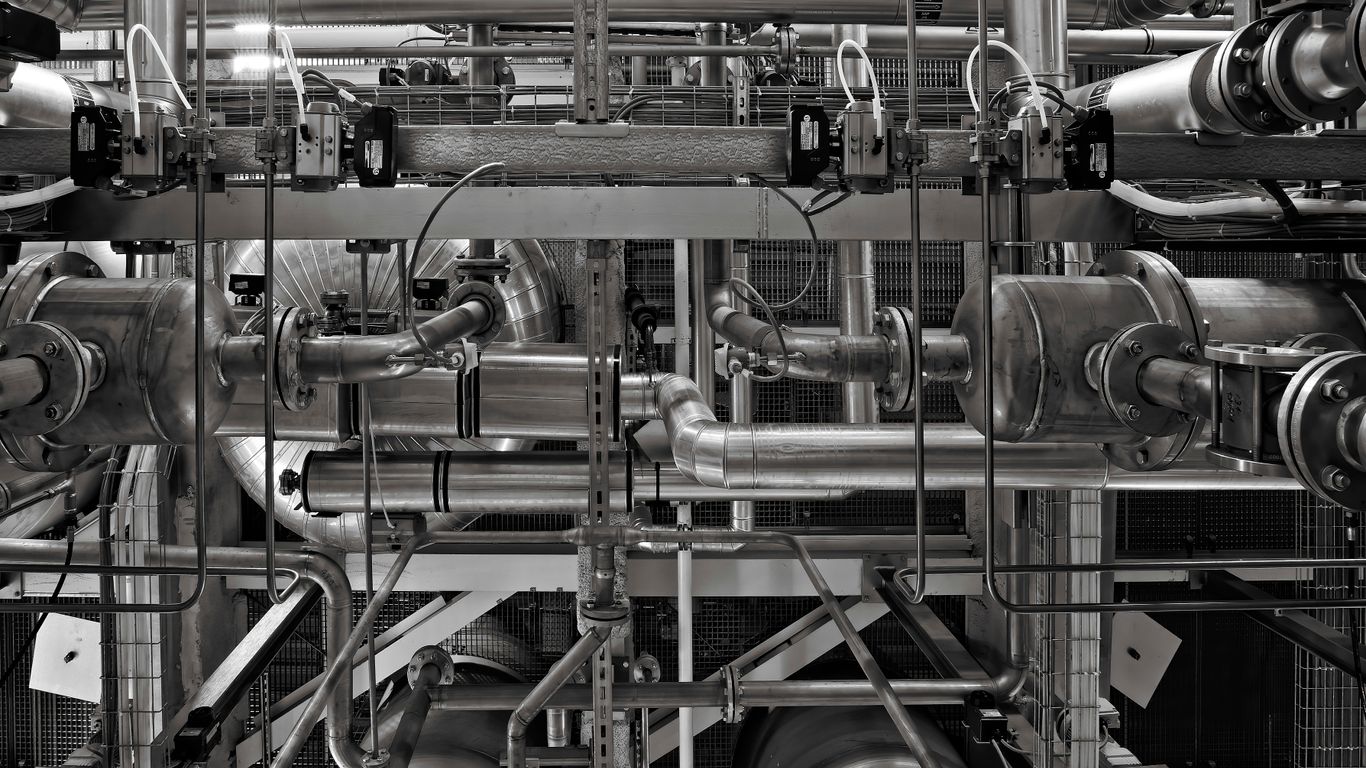
Energy providers are finding that autonomous platforms drastically optimize asset health checks. By deploying these robots in remote substations or offshore rigs, operators can perform daily checks on transformers, pipeline flanges, and structural integrity. This transition from reactive to proactive monitoring helps shift the maintenance paradigm fundamentally.
Chemical and process manufacturing oversight
In chemical facilities, the presence of volatile compounds necessitates strict controls on human entry. Robotic assets provide an alternative by operating in hazardous process cells to record pressure gauges, flow rates, and valve positions. These deployments demonstrate significant operational efficiency gains:
| Feature | Robotic Capability | Monitoring Metric |
|---|---|---|
| Thermal Imaging | Heat Signature Analysis | Equipment Overheating |
| Gas Detection | Sensor-based Sniffing | Toxic Leak Identification |
| Acoustic Sensing | Vibration Profiling | Bearing Failure Prediction |
These data points are aggregated into ANYbotics software dashboards, providing plant engineers with a continuous view of the production line status.
Routine safety and gas leak detection
Routine inspection cycles for safety compliance comprise a large portion of maintenance overhead. Automating the detection of methane or other industrial gases allows for immediate alerts when thresholds are exceeded. By standardizing the frequency of these checks, facilities decrease their reliance on infrequent hand-held measurements, resulting in safer operational standards for the entire workforce.
Operational advantages of integrating ANYbotics
Reducing human exposure to hazardous work areas
Occupational safety improvements represent the most immediate return on investment for high-hazard sites. By moving primary inspection tasks to a robotic platform, companies remove personnel from high-temperature, high-pressure, or toxic environments. This mitigation strategy directly aligns with modern industrial worker safety objectives, allowing human assets to be redirected toward complex problem-solving rather than rote data gathering.
Improving data consistency and digital reporting
Manual inspections often suffer from human bias and variance, as different technicians may look for different signs of wear. Digital twins and consistent photographic baselines ensure that every inspection cycle is comparable. This provides a repeatable, data-backed history of the asset, simplifying regulatory compliance and audit processes.
Minimizing maintenance downtime through frequent inspection
Frequent inspection cycles allow for early identification of degrading assets, preventing catastrophic failures that necessitate long, unplanned outages. By integrating a regular autonomous robotic inspection schedule, the site maintenance team can target specific components during scheduled shut-downs. This approach ensures that capital expenditure on maintenance is reactive to actual wear rather than arbitrary timelines.
Deployment and infrastructure requirements
Mapping procedures and path planning setup
Successful deployment requires a deliberate setup phase where the facility maps its topography for the robot. This setup covers key navigation paths and mission parameters to ensure full coverage of the plant floor. Operators must work with the integration software to establish critical waypoints, ensuring the unit understands its environment before it goes live.
Connectivity and network bandwidth needs
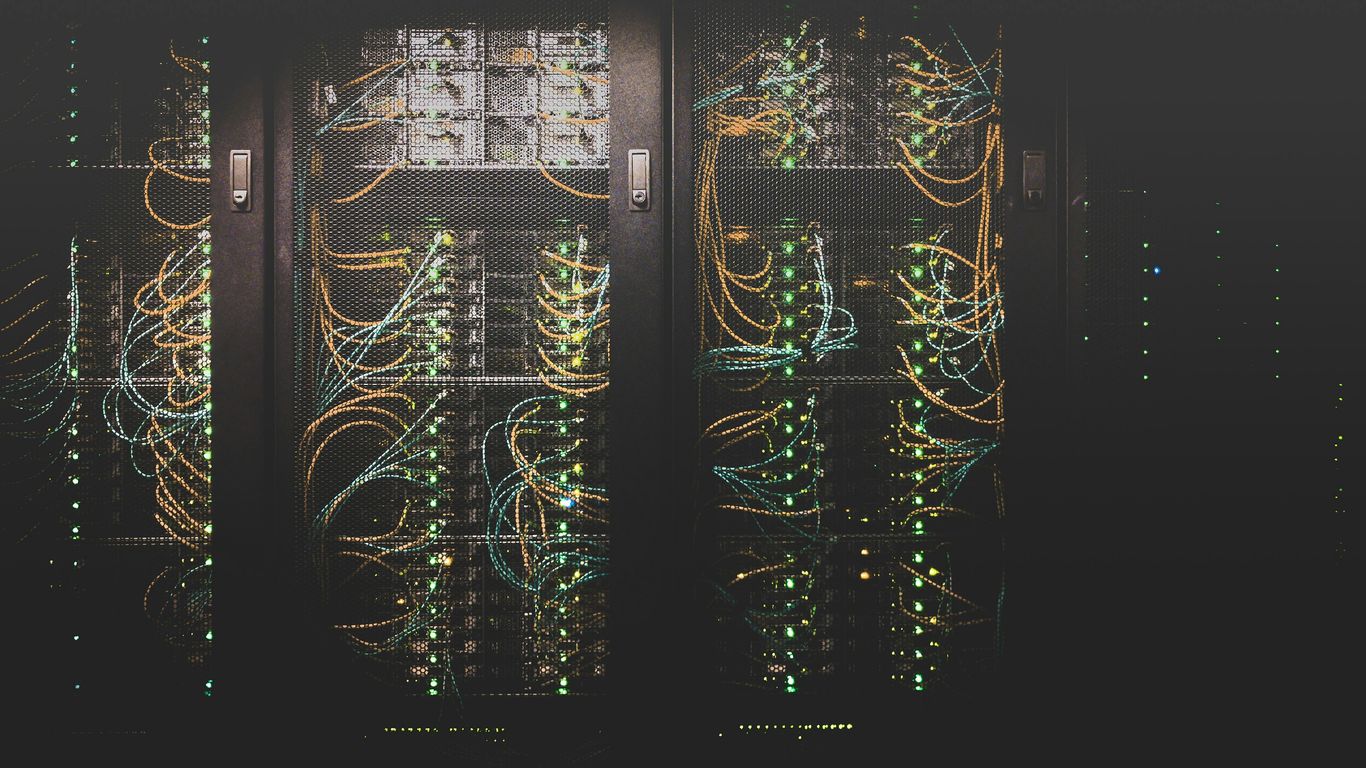
Reliable, low-latency communication is essential for the continuous stream of telemetric data generated by the unit. Effective site networking usually requires a dedicated, robust wireless connection to maintain telemetry uptime during missions. Companies must account for the following infrastructure needs to support consistent fleet performance:
- High-speed 5G or Wi-Fi 6 coverage throughout all designated inspection zones.
- Redundant backend server capacity for processing and storing massive data streams.
- Protected charging stations situated within the robot's primary range of operation.
- Secure integration of robot-collected data with existing WMS or enterprise resource planning tools.
These base components form the foundation for stable long-term industrial automation performance.
Fleet management integration and charging station logistics
Managing multiple robots across a sprawling site requires sophisticated orchestration. Charging stations must be strategically located to minimize travel distance during battery-low events. Efficient fleet management ensures that units are distributed effectively, balancing current site demands with the necessary recharge cycles for continuous monitoring.
Future trends in autonomous mobile manipulation
Integration with AI-driven industrial analytics
Moving forward, basic inspection will evolve into predictive reasoning. By pairing AI models with robot-gathered video and sensor feeds, the system can begin to suggest maintenance work orders automatically. The convergence of machine learning and robotic mobility is set to redefine how facility managers approach site reliability.
Collaborative human-robot workflows
Future automation designs will emphasize human-robot interfaces that feel seamless and intuitive. Instead of robots operating in isolation, they will act as specialized augmentations, providing information to workers in real-time as they perform on-site repairs. This creates a feedback loop that enhances both user safety and overall site efficiency.
Global scalability across multi-site operations
As organizations scale, the ability to replicate a successful deployment model across different geographies becomes critical. Success in one location often informs the rollout strategy for another, creating a standardized, reliable approach to equipment maintenance that is easily audited and improved globally. The future lies in this ability to push software updates and behavioral training across entire robotic fleets at once.
Conclusion
The integration of autonomous legged platforms into the industrial sector marks a shift from reactive human-led maintenance toward a system-wide, proactive approach to asset health. By leveraging reliable mobile sensors and advanced navigation, operators gain unprecedented visibility into their facilities while simultaneously reducing personnel exposure to risk. As these technologies evolve deeper into the factory ecosystem, the scalability and reliability of such systems will likely define the new standard for efficient, safe, and data-driven infrastructure management.
Frequently Asked Questions
How does autonomous navigation handle dynamic industrial changes?
The systems utilize real-time SLAM algorithms combined with depth sensing to identify obstacles, ensuring the platform can adjust its path around temporary equipment or pedestrians without intervention.
What primary power source do these robots rely on for daily tasks?
Most current industrial platforms utilize high-density lithium-ion battery packs that allow for several hours of operation before requiring a return to a designated charging base.
are these robots suitable for extreme temperature variations?
Engineers design these units with robust cooling and heating capabilities to protect the onboard electronics when operating in harsh environmental conditions like foundries or cold storage facilities.
Can inspection robots replace stationary sensor networks?
While they excel at providing flexible, dynamic coverage, robots often work best alongside stationary sensors as part of a layered monitoring approach to capture both macro-level trends and focused, localized data.
How is the data privacy managed during robotic inspections?
Organizations maintain strict control over the captured sensory data by routing it through private on-premises or compliant cloud-based servers, ensuring the information remains accessible only to authorized personnel.
What is required to start a pilot program on site?
The initial setup involves a comprehensive site walk-through to define mission requirements, path validation for navigation, and the installation of necessary wireless infrastructure to support communication.
Do these systems require specialized roboticists to operate?
Modern interfaces are designed for plant engineers and operators, meaning they prioritize user-friendly dashboards and automated reporting over deep technical requirements in robotics or AI programming.