
Key Takeaways
The Kia EV3 serves as a pivotal new entry in the manufacturer's lineup, offering a balance of space, efficiency, and modern design in a subcompact format. This analysis explores how the vehicle integrates into the current electric landscape.
- The vehicle features a blocky, aerodynamic design language borrowed from larger platform mates.
- Cabin space maximizes ergonomic efficiency through a redesigned driver-centric interface.
- Performance focuses on urban maneuverability and optimized suspension for daily commuting.
- Battery technology supports high-speed charging while attempting to standardize long-range driving expectations.
- Pricing tiers allow for specific battery configurations to cater to different regional mobility needs.
Design and exterior

The design of the vehicle marks a departure from conventional subcompact silhouettes, leaning heavily into a bold, geometric aesthetic that prioritizes both visual identity and functional drag reduction. By adopting a block-like structural approach, the engineering team has managed to carve out a surprising amount of interior utility without expanding the external footprint beyond what is expected for a modern urban crossover.
Compact dimensions and footprint
The vehicle sits on a dedicated platform that allows it to maintain a manageable size for parking in tight city environments while providing a substantial interior volume. This compact stance does not sacrifice road presence, as the verticality of the body styling ensures the car feels substantial to both occupants and observers on the road.
Aerodynamic styling cues
Designers have integrated subtle aerodynamic enhancements that help manage airflow without relying on overly aggressive spoilers or body kits. The flat surface areas and specifically treated alloy wheel designs demonstrate an efficient design philosophy that contributes to the overall reduction in wind resistance at cruising speeds, thereby boosting range.
Exterior color options and finishes
Prospective owners can select from a palette of finishes that emphasize the vehicle's angular body lines. The available color options range from standard metallic tones to matte finishes that highlight the unique character of the panel gaps and light signatures, providing a custom feel for the consumer.
Interior space and comfort

Interior cabin design balances minimalist aesthetics with practical utility, utilizing the brand's expertise in space optimization to create an environment that feels larger than it appears from the exterior. Every material choice reflects a shift toward more sustainable materials without compromising on the tactile quality required for premium positioning.
Cabin ergonomics and driver setup
Drivers are treated to a high-mount screen configuration that keeps vital information in the line of sight, reducing the need to look down at the center console. The seating position offers elevated visibility, and the placement of the climate controls has been streamlined for faster access, a common critique in earlier models.
Rear passenger legroom and headroom
By leveraging the flat-floor profile inherent to the platform, the rear compartment manages to accommodate three adults comfortably. Headroom remains uncompromised despite the sloping roofline, ensuring that taller passengers do not feel restricted during long trips.
Cargo capacity and storage solutions
Storage utility is a hallmark of this compact package, offering clever solutions for diverse needs. The following table highlights the storage capacities versus common requirements:
| Storage Category | Dimension or Volume | Utility Level |
|---|---|---|
| Rear Cargo Area | 460 Liters | Standard |
| Front Trunk Storage | 25 Liters | Minimal |
| Seats Folded Flat | 1250 Liters | Enhanced |
These storage solutions prove essential for those using the vehicle as a primary transport tool, especially when considering the range of items one might carry in a dynamic junk removal in Sacramento context.
Performance and driving dynamics

Driving dynamics in the compact EV segment have evolved to favor predictability and comfort over raw speed, and this model adheres to that trend while providing enough torque to maintain urban traffic flow. The powertrain delivers power delivery linearly, which prevents the jerky response sometimes associated with regenerative systems.
Electric motor output and acceleration
Acceleration is punchy enough for highway merging and quick lane changes, though it is not designed to be a high-performance track machine. The motor responsiveness highlights the efficiency of the power controller, maintaining consistent output even under variable battery states of charge.
Steering feel and urban maneuverability
Steering weight is intentionally light, facilitating simple maneuvers in cramped underground garages and parking lots. This makes the vehicle an excellent candidate for tight spaces where precise placement is essential to avoid minor impacts, potentially avoiding the need for a Woburn personal injury lawyer.
Suspension tuning for daily commutes
Suspension geometry is set for comfort, absorbing urban road imperfections and small potholes quite effectively. The tuning provides a stable, composed feeling that separates it from standard budget offerings, ensuring a stable ride for daily commutes or occasional weekend getaways.
Battery efficiency and charging capabilities
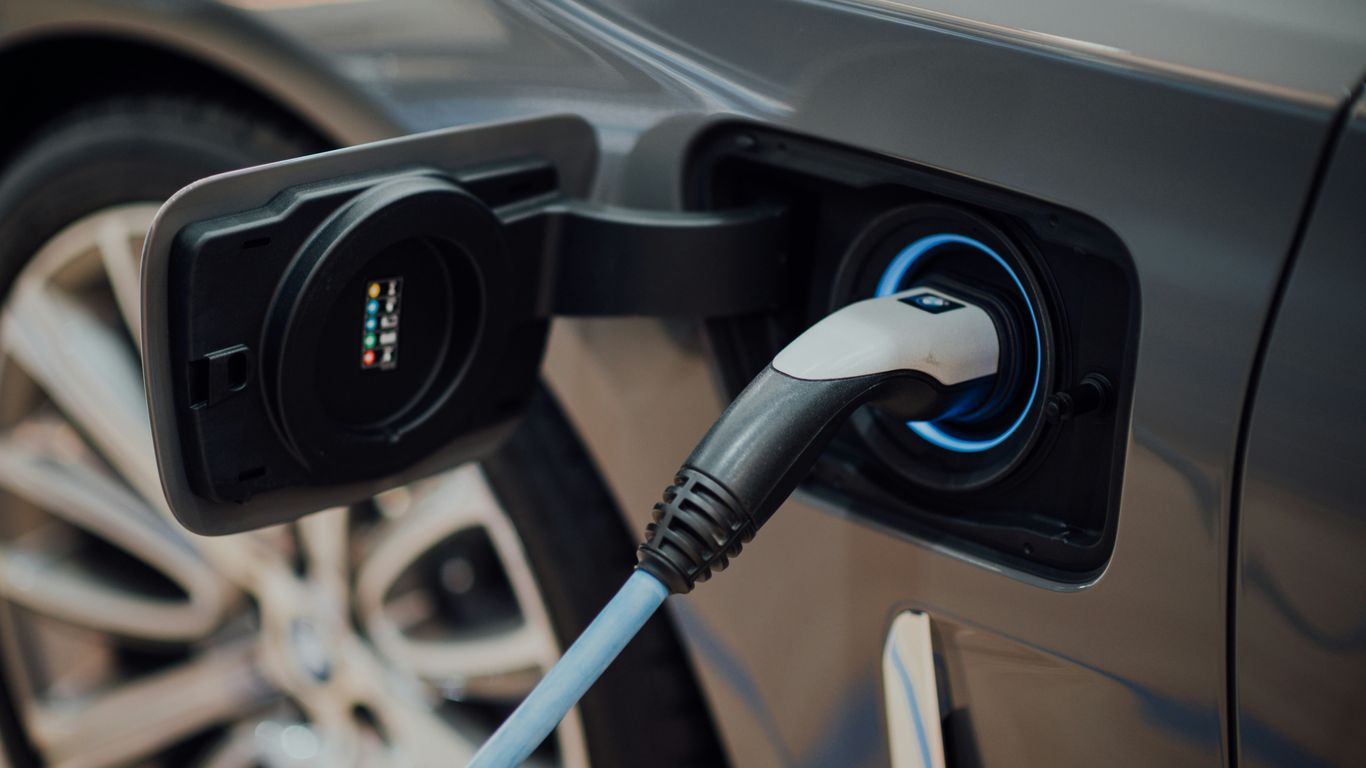
Battery management stands as the most critical system for any modern electric vehicle, and the advanced power modulation seen here emphasizes longevity. Owners should consider the physical requirements of their chosen charging setup when calculating total time spent at rest stops.
Real-world range expectations
While official range ratings often provide an optimistic view, actual driving reveals a more nuanced picture. Based on average power consumption, the following list outlines typical driving conditions that affect total distance:
- Constant highway speeds significantly drain battery levels due to drag.
- Urban start-stop cycles allow regenerative braking to extend range.
- Cold weather performance typically shows a decline in overall capacity.
- Aggressive acceleration modes reduce range by up to fifteen percent.
Understanding these factors is as crucial for EV drivers as learning how to manage complex sensor systems, similar to the protocols required with ANYbotics industrial robotic solutions.
Fast-charging speeds and curve behavior
Charging curves are optimized for rapid input at the start of the session, tapering off as the lithium-ion cells hit capacity. For safe movement and long-term care after any potential incident, users may look towards resources like the post-accident recovery guide for health, while battery management requires patience during the last 20% of charging.
Home charging options and hardware
Home charging remains the most convenient daily solution, with wall-box hardware installation providing consistent charge cycles. For those focusing on residential upgrades, it is worth comparing hardware capabilities similar to how one might evaluate permanent holiday lighting systems for exterior aesthetics.
Infotainment and technology features
Technology in the vehicle is centered on a unified display interface that houses both navigation and climate settings, prioritizing ease of use over excessive menu depth. This streamlined integration of digital services ensures that drivers can access essentials without becoming distracted from the road.
Interface usability and smartphone integration
Smartphone integration remains reactive and responsive, allowing for seamless toggling between native navigation and external media apps. The system updates its cache frequently, preventing lag that often plagues less polished infotainment stacks.
Driver-assistance systems and safety suites
Safety systems include automatic emergency braking and adaptive cruise control as standard. These sensors provide an unobtrusive layer of support that acts as a safety umbrella rather than an intrusive monitor, enhancing the driver's own spatial awareness.
Over-the-air update capabilities
Periodic software patches allow for the improvement of power management and entertainment interfaces without a dealer visit. This persistent state of improvement ensures that early buyers benefit from mid-lifecycle revisions to code efficiency.
Pricing and trim level breakdown
Price point positioning distinguishes the vehicle as a competitive offering in the evolving electric market, matching the strategy used for the 2027 Kia EV3 launch. Buyers choosing different tiers will notice distinct differences in the underlying hardware capability versus luxury additions.
Base trim value and standard equipment
Entry-level trims prioritize essential functionality, providing a suite of safety features and a standard battery configuration that satisfies most metropolitan residents. These models emphasize value, making the transition to electric propulsion accessible.
Mid-range options and premium upgrades
Mid-tier models introduce leatherette seating, upgraded audio systems, and advanced interior mood lighting. These add-ons are designed for those looking for a more personalized environment without opting for the highest tier of performance features.
Warranty coverage and ownership costs
Ownership costs are generally lower when excluding fuel prices, though maintenance of high-voltage components still mandates professional service. The warranty program provides long-term financial stability for the initial owners, covering key battery components well into the life of the vehicle.
Conclusion
The vehicle successfully balances a functional, futuristic design with daily usable range and technology, providing a strong case for those considering their first electric ownership. It addresses the segment's need for a versatile crossover that can navigate urban density as easily as it handles light touring, positioning itself as a benchmark for practical daily transportation in the coming years.
Frequently Asked Questions
How does the vehicle perform in cold weather?
Performance in very low temperatures typically sees a reduction in overall range due to the energy required for thermal management systems to keep the cabin and battery pack within an ideal operation window.
Can I charge this vehicle at home with a standard outlet?
A standard household outlet is capable of charging the vehicle, but it is advised to utilize a dedicated charging station to decrease overall downtime and ensure the electrical system remains stable overnight.
What are the main factors affecting the real-world range?
Ranges are primarily influenced by ambient temperature, driving speed, overall load, and the frequency of regenerative braking during typical urban driving maneuvers.
Does the car include automatic driver assistance features?
The vehicle is equipped with a suite of standard safety features, including automated braking systems and driver monitoring, which contribute to a safer daily commuting experience.
Are software updates handled by the manufacturer remotely?
Yes, the manufacturer utilizes a wireless delivery system that enables intermittent improvements to the cabin interface and powertrain management software without requiring direct shop intervention.
Is the cargo space sufficient for family trips?
The interior dimensions and trunk layout are designed to provide enough room for standard family storage and travel, with flexible folding configurations that accommodate larger items easily.
How does the long-range battery differ from the base version?
The long-range battery provides higher capacity, resulting in significant gains in total travel distance on a single charge compared to the base-level configuration that is prioritized for shorter, urban-only usage.