IBM vs Google vs IonQ vs Quantinuum: The 2026 Quantum Hardware Race

Key Takeaways
- The 2026 quantum landscape is defined by a shift from raw qubit counts to logical qubit fidelity and error correction stability.
- Google maintains a strong scientific lead in error correction methodologies while advancing its superconducting architecture.
- Both IonQ and Quantinuum showcase the operational advantages of trapped-ion platforms in gate fidelity and all-to-all connectivity.
- IBM continues to dominate the industrial enterprise space via its expansive cloud ecosystem and systematic hardware roadmaps.
- Standardization of benchmarks for real-world utility remains the primary challenge for maturing quantum hardware technologies.
IBM's superconducting quantum roadmap

Evolution of qubit count and modular architectures
IBM Quantum has navigated the transition from exploratory transmon designs to a structured focus on modular scalability. By emphasizing hexagonal lattice architectures, the organization prioritizes minimizing crosstalk while maintaining high-density qubit integration. This approach is fundamental for building systems that can eventually support the cross-resonance gates necessary for complex, multi-qubit operations.
Progress in circuit fidelity and noise reduction
Circuit design and material science play pivotal roles in the overall performance of these systems. The research team has consistently tightened control over error rates by refining fabrication clean-room processes, directly impacting coherence times. These developments are essential for creating reliable gates that sustain the integrity of information throughout the calculation cycle.
Strategic focus on the Quantum System Two platform
System Two represents the backbone of the current industrial strategy, designed specifically for modular link protocols. By integrating cryogenic infrastructure with advanced interconnects, the platform allows for the orchestration of larger qubit arrays. The intent is to shift from single-chip development to a distributed quantum computing model that can scale reliably for enterprise quantum computing companies.
Google's quantum error correction achievements

Sycamore processor and noisy intermediate-scale quantum devices
The progression of hardware at Google initially centered on the Sycamore architecture, which served as a proving ground for quantum supremacy benchmarks. Development has since evolved, focusing on the suppression of noise in intermediate-scale systems that were previously erratic. Researchers emphasize that achieving high fidelity in individual gate operations is the prerequisite for meaningful computation in this noisy epoch.
Successes in logical qubit demonstration and mitigation
Recent milestones include significant evidence of error mitigation in localized qubit clusters, moving toward stabilized logical qubits. By implementing real-time decoding, the team has turned theoretical error handling into verifiable laboratory performance. This logical computation threshold achievement marks a step away from theoretical postulation toward practical, fault-tolerant operations.
Balancing hardware development with atmospheric research
Balancing these rigorous hardware milestones requires intense environmental control and atmospheric stability within the lab. The engineering culture reflects a scientific drive to understand physical limitations rather than relying on short-term scaling tricks. This creates a foundation where algorithmic efficiency is directly coupled with the physical robustness of the underlying silicon-based hardware.
IonQ's trapped-ion technological model
Comparison of trapped-ion versus superconducting qubits
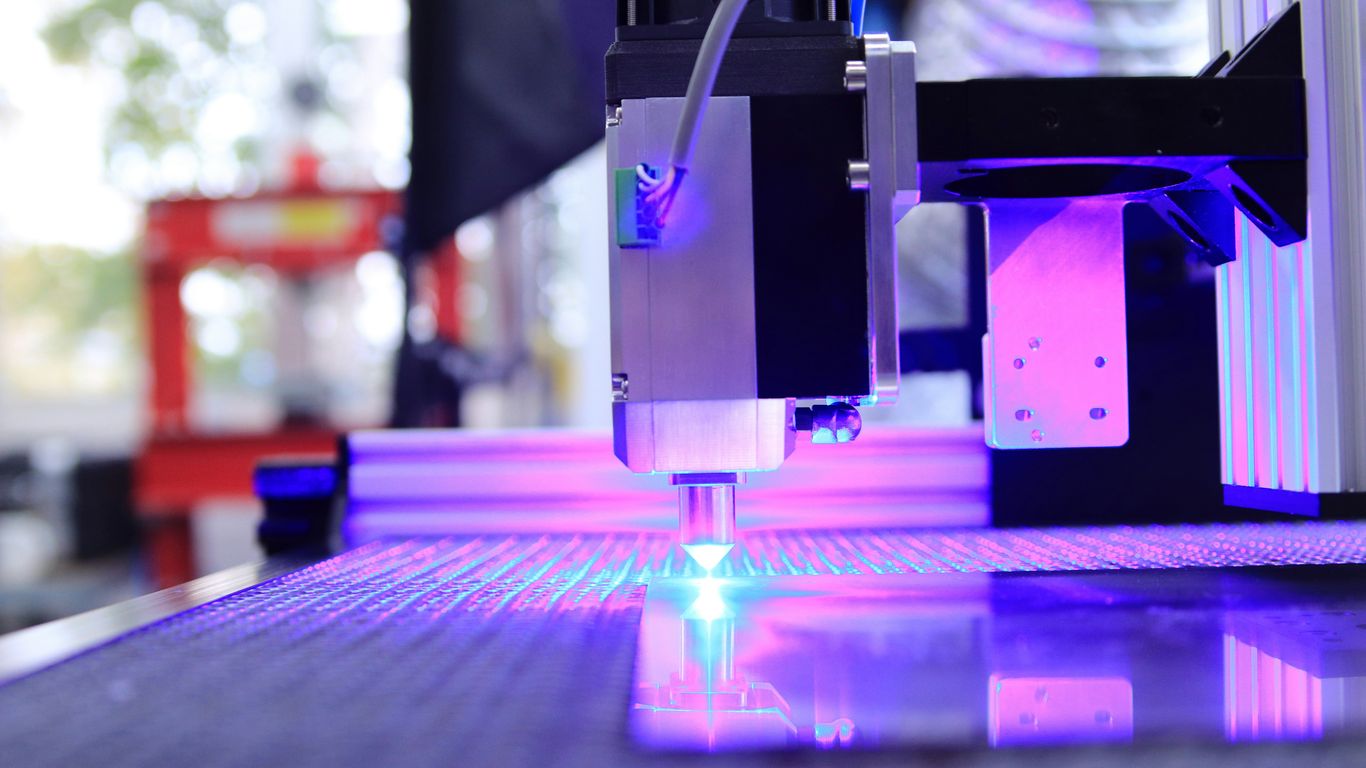
Unlike the superconducting approaches, IonQ utilizes individual ions suspended in vacuum chambers, which provides inherent uniformity across all qubits. This trapped-ion modality permits all-to-all connectivity, eliminating the need for complex SWAP gate sequences that often introduce noise in superconducting circuits. Such an architecture provides a distinct advantage in gate-based algorithms.
Scalability challenges for photonic interconnects
Scaling beyond a single trap involves complex photonic linking, which remains an active area of investigation. Photonic interconnects must maintain the quantum state during transfer between separate vacuum chambers, a task requiring extreme precision. Engineering teams are currently focused on improving data transfer rates and reducing information decay during these critical state-exchange windows.
Commercial data center integration and enterprise partnerships
Integration into enterprise data centers requires a shift toward portability and self-contained cooling setups. Partnership structures allow these modular systems to be exposed via cloud vendors, bridging the gap between delicate laboratory hardware and broad user accessibility. This collaborative strategy ensures that the hardware can evolve in concert with the needs of diverse commercial use cases.
Quantinuum's trapped-ion and hybrid hardware stack
Role of H-Series hardware in quantum volume growth
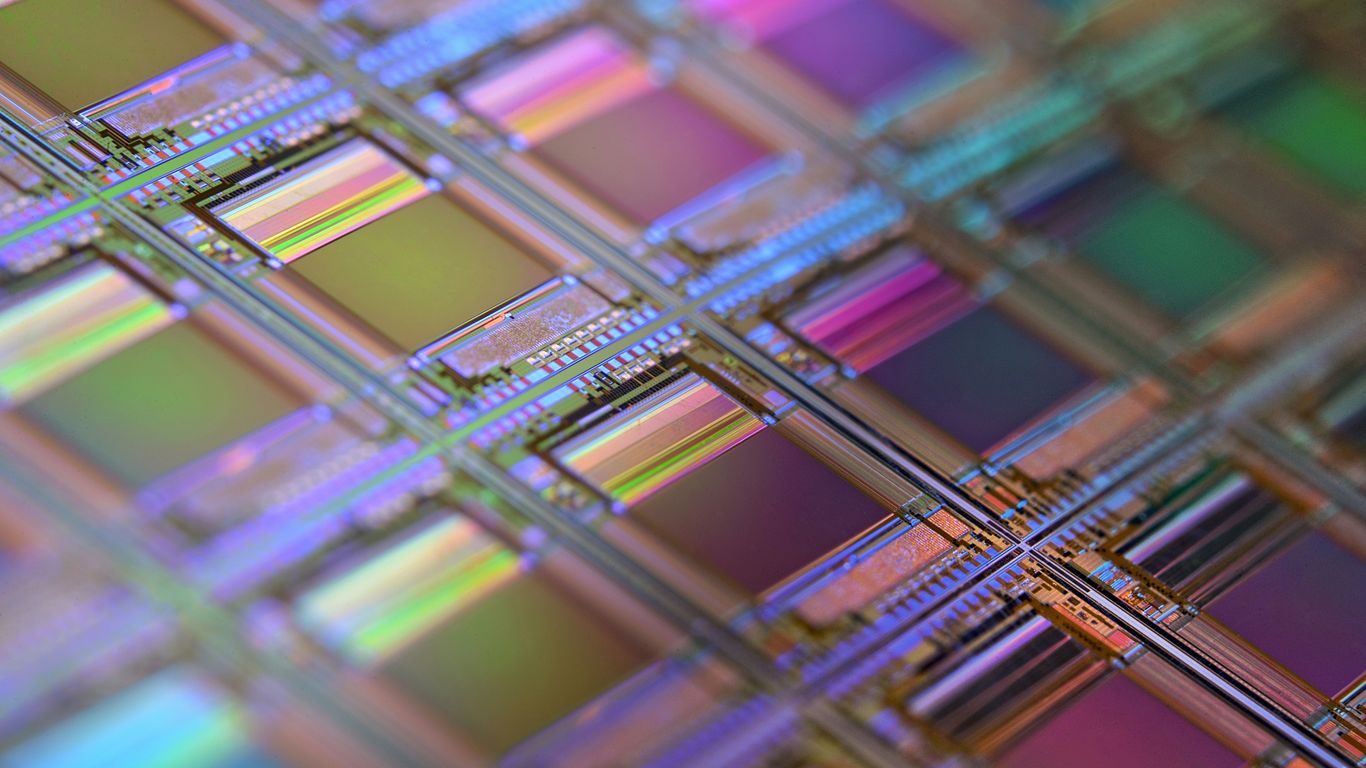
Quantinuum has demonstrated significant progress in increasing quantum volume, a metric that captures both qubit count and operational fidelity. By focusing on higher-order gate sets, they have maximized the number of circuits that can be executed without decoherence. This methodical expansion underscores a focus on usable volume over sheer raw capacity.
Integration between hardware layers and software ecosystems
Integration between the hardware and software layers is achieved through specialized compilers that optimize circuit mapping for specific ion traps. When high-level logic is translated efficiently, the underlying gate costs are minimized, leading to more successful computations. The following table showcases the comparative strengths of different hardware modalities in the current market:
| Hardware Modality | Key Advantage | Scaling Potential |
|---|---|---|
| Superconducting | Fabrication speed | Extremely high density |
| Trapped-ion | Gate fidelity | Modular interconnects |
| Neutral-atom | Qubit uniformity | Large array expansion |
Maintaining this balanced ecosystem requires careful coordination. The following points summarize the necessary technical advancements:
- Improving cross-platform compiler efficiency to reduce gate depth.
- Extending coherence times through improved vacuum shielding.
- Optimizing real-time classical processing for faster error decoding.
- Scaling photonic links to handle larger qubit clusters.
Developing these layers is a sustained engineering effort that bridges theoretical physics with commercial reliability.
Advancements in quantum sensing and cryptographic applications
Beyond pure computational hardware, the platform is finding utility in sensitive metrology and security applications. High-precision gate sets allow for tighter control of quantum states, which serves as a powerful tool for sensing minute environmental variances. As these sensing capabilities mature, they are expected to feed back into the design of core computing components, further increasing overall fidelity.
Comparative benchmarks for 2026 hardware
Defining standard metrics for threshold fidelity and coherence times
The industry now recognizes that threshold fidelity is the most important indicator of system health. Without satisfying strict error thresholds, claims of scalable computation fail to account for the exponential growth of gate noise.
Uniform definition of these parameters is difficult given the diversity of physical qubits. Comparing a transmon's coherence to a trapped ion's gate speed requires normalized benchmarking protocols that reflect real-world algorithm performance rather than isolated hardware statistics.
Interpreting quantum volume and error-corrected qubit statistics
Metrics such as quantum volume depend heavily on the software stack's ability to minimize gates during compilation. Error-corrected qubit numbers are currently the highest-stakes metric, as they signify the presence of an underlying error-resilient layer. As these statistics gain public visibility, they are replacing simple qubit counts as the standard measure of technological progress in the field.
Assessing real-world utility against theoretical capacity
Theoretical capacity assumes near-infinite fault tolerance and ideal interconnects. In the current 2026 market, utility is instead assessed by the hardware's performance on a specific set of complex tasks. The gap between these figures is a clear signal of the transition from lab-grade machines to enterprise-ready computational platforms.
The evolving competitive landscape of quantum hardware
Industrial shifts toward fault-tolerant quantum computing
Efforts are increasingly shifting toward demonstrating functional fault tolerance as a way to prove long-term ROI. Companies that can provide clear timelines for this transition are attracting significant investor focus, as the market moves away from speculative demonstrations to verified stability. This maturation phase is critical for companies navigating the high capital costs associated with building modular architectures.
Market pressure on cloud-based quantum hardware access
Cloud accessibility has become a requirement for competitiveness, creating a scenario where every major player must provide a robust, reliable API for remote developer interaction. The pressure to provide free access tiers is also growing, as firms look to capture developer mindshare early in the application development cycle. This democratization of access is shifting the value chain toward software optimization and high-level SDK development.
Future outlook for ecosystem consolidation and strategic investment
Consolidation is likely as companies look toward vertical integration, potentially teaming up with foundry partners to secure production capacity. Strategic investment is increasingly targeted toward companies that can show a clear, measurable roadmap to logical qubits, rather than generalized hardware development. The next several years will define which players create the foundational infrastructure for the next era of computation.
Conclusion
As the 2026 quantum hardware race continues, the industry is moving toward a more mature phase defined by empirical performance and operational scalability. While superconducting and trapped-ion systems each offer unique advantages, the ultimate winner will be the platform that proves most resilient in error-corrected execution at scale. Investors, researchers, and enterprise stakeholders are now aligning with the companies that can consistently deliver verifiable metrics, signaling that the era of raw hype is finally giving way to the era of industrial-grade quantum computation.
Frequently Asked Questions
What are the main differences between trapped-ion and superconducting hardware?
Superconducting hardware uses manufactured circuits on silicon as qubits, which offers fast gate speeds and familiar manufacturing processes. Trapped-ion systems use individual, naturally identical ions suspended via electromagnetic fields, which generally provides superior coherence and higher fidelity connectivity across the array.
Why is qubit count no longer considered the primary metric for performance?
High qubit counts do not guarantee computational success if the gates are noisy or the qubits decohere too quickly to perform a calculation. Modern metrics like quantum volume and logical qubit count prioritize the reliability of operations, as these are the only factors that allow for complex, error-corrected algorithms to run to completion.
What does fault tolerance mean in the context of a quantum system?
Fault tolerance refers to the ability of a quantum computer to detect and correct errors as they occur during a computation. By encoding information into multiple physical qubits, the system creates a logical qubit that can maintain its state even when individual components fail, which is essential for scaling complex scientific simulations.
Are cloud-based quantum services secure for research and development?
Cloud access generally relies on standardized security protocols to protect proprietary algorithms and research data. Most providers offer dedicated access paths to ensure that code execution remains partitioned, although researchers must always assess their specific sensitivity requirements before deploying high-value workloads on shared infrastructure.
When will quantum computers replace classical supercomputers?
Quantum computers are designed to be complementary to classical hardware rather than direct replacements for all workloads. They are intended for specific, computationally intractable problems in chemistry, material science, and optimization, where the quantum nature of the machine provides an exponential efficiency advantage over classical binary architectures.
Which industry sectors will likely adopt quantum computing first?
Pharmaceutical drug discovery and complex materials research are the most immediate candidates for early adoption. These fields involve quantum-mechanical simulations that are impossible to model efficiently on classical systems, leading to high potential value from even early-scale quantum hardware deployments.
How can developers begin experimenting with quantum algorithms today?
Developers can access various platforms through cloud portals that provide software development kits and simulators. These tools enable users to write, run, and optimize quantum code on current hardware or high-performance simulators, allowing for significant study of quantum logic without needing a local device inside their own facility.