
Key Takeaways
This article provides a rigorous, data-driven analysis of modern autonomous welding systems. The following points summarize the current trajectory of robotic manufacturing technology.
- Advanced AI models now allow for real-time welding adjustments on complex parts.
- Robotic systems address the critical shortage of skilled manual labor in fabrication modules.
- Integration capabilities allow for rapid deployment within high-mix production environments.
- Precision gains reduce material waste and rework costs in heavy industrial sectors.
- Scalability of autonomous cells relies on cloud-native updates and machine-learning feedback loops.
Overview of Path Robotics technology
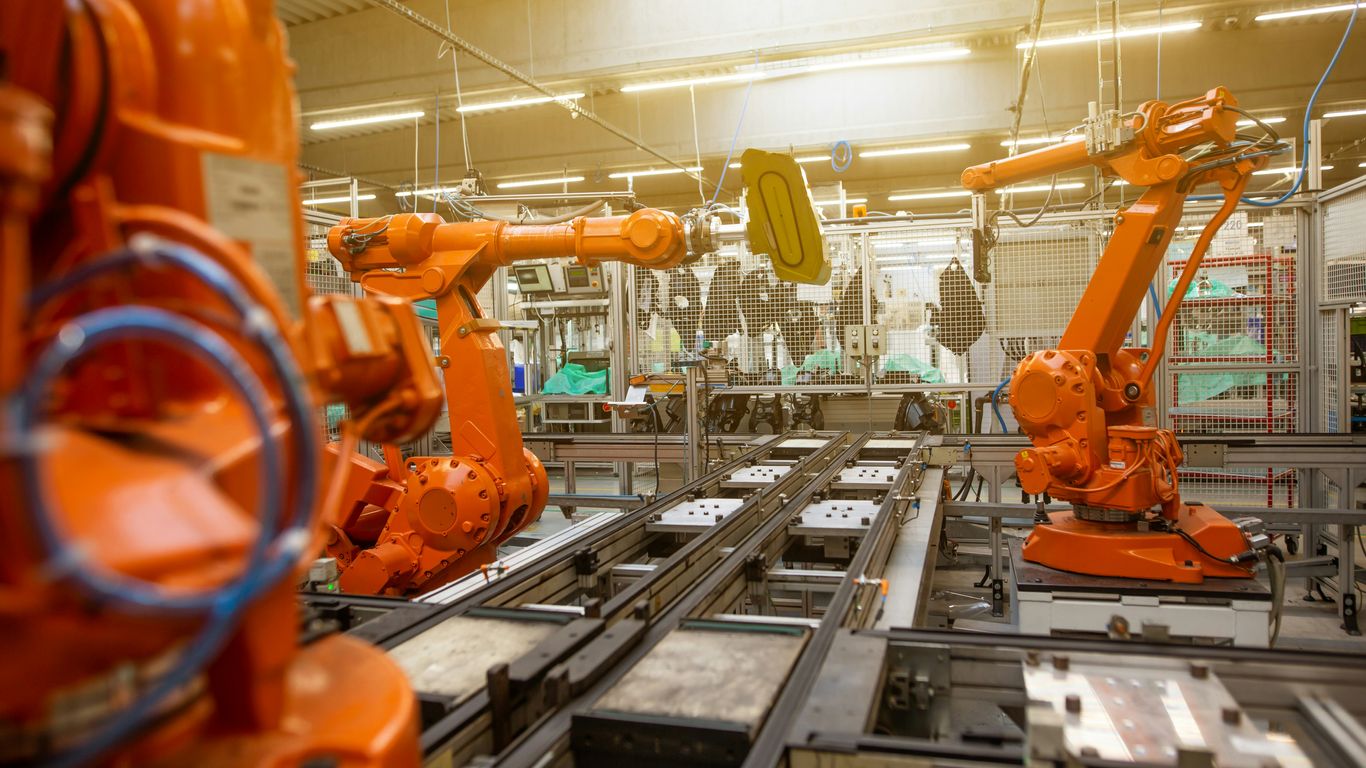
How their autonomous welding cells function
Autonomous welding cells move beyond static, pre-programmed templates by utilizing sensor-based perception to interpret physical environments. Instead of relying on rigid instruction sets, these robots observe the workpiece to identify material geometry. This shifts the focus from writing line-by-line toolpaths to defining the desired weld outcome.
Key hardware components and sensory arrays
Effective automation requires a sophisticated bridge between digital instructions and physical movement. The hardware utilizes high-resolution cameras and tactile sensors to map joints with millimeter-level accuracy. By combining these sensor suites with high-performance motion controllers, the systems maintain consistent welding arcs even on irregular surfaces.
Software integration and machine learning capabilities
At the technological core lies a foundational model capable of interpreting CAD data alongside real-time visual input. This capability, exemplified by the Obsidian™ development platform, enables the robots to infer required torch positioning without human oversight. The architecture ensures that software updates can continuously improve performance over time, treating the welder as a learning agent in the factory ecosystem.
Practical application in manufacturing
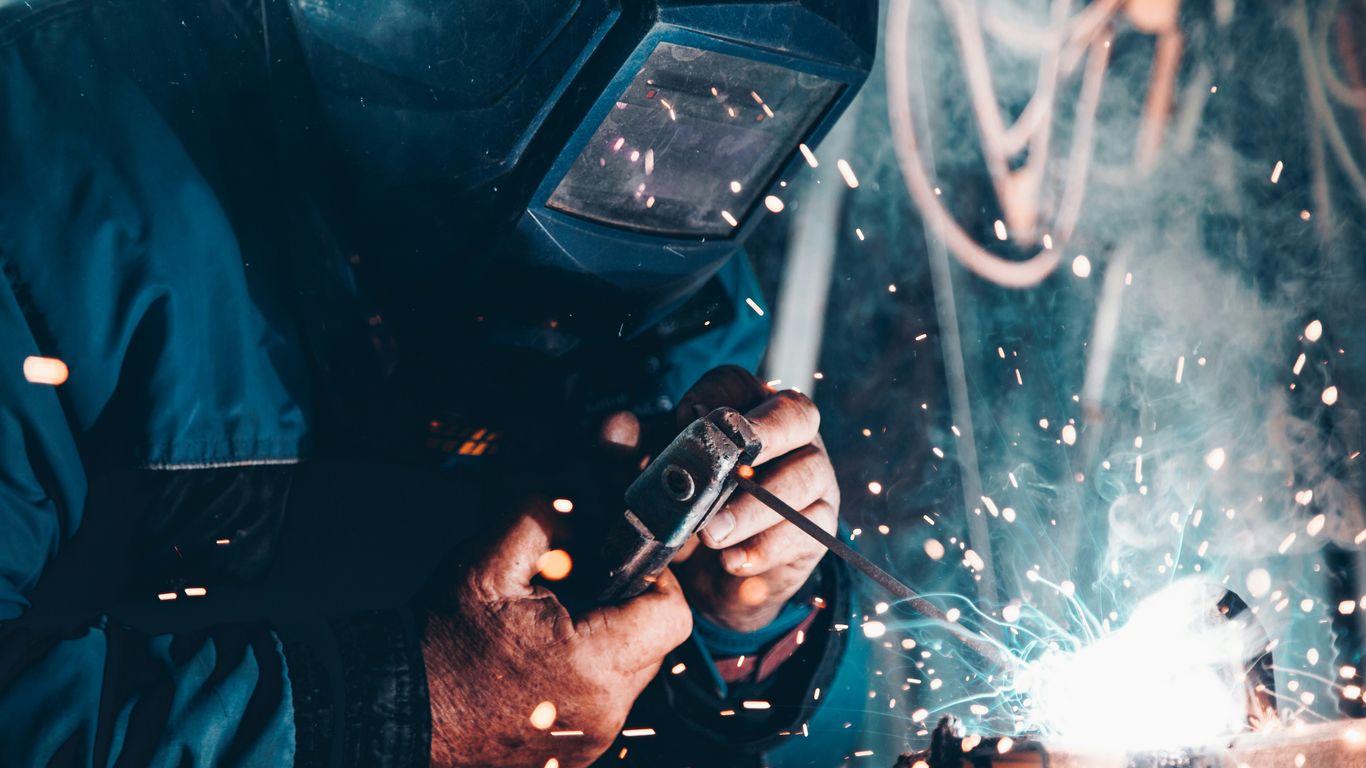
Optimizing small-batch production runs
Traditional automation often struggles under the time constraints of high-mix, small-batch manufacturing. Because the setup process for these systems does not require manual pathing or elaborate jigs, operators can queue diverse tasks efficiently. The flexibility benefits manufacturers focusing on short runs where the overhead of traditional teaching would typically be prohibitive.
Reducing downtime in welding operations
Maintaining a high utilization rate is essential for industrial profitability. The following factors contribute to the reduction of operational bottlenecks:
- Elimination of repetitive manual fixture repositioning
- Rapid error correction via automated sensor feedback
- Remote oversight options for monitoring multi-cell fleets
- Seamless transitions between distinct product part numbers
These efficiencies ensure that machine idle time is minimized, allowing the hardware to produce output consistently across entire shifts.
Compatibility with existing production workflows
Integrating advanced machines requires minimal disruption to legacy infrastructure. The modular nature of these deployments allows them to function alongside manual work cells without requiring complete facility overhauls. This additive approach supports firms looking to reach industry dominance by incrementally upgrading their capacity without halting production.
Analyzing performance and output quality
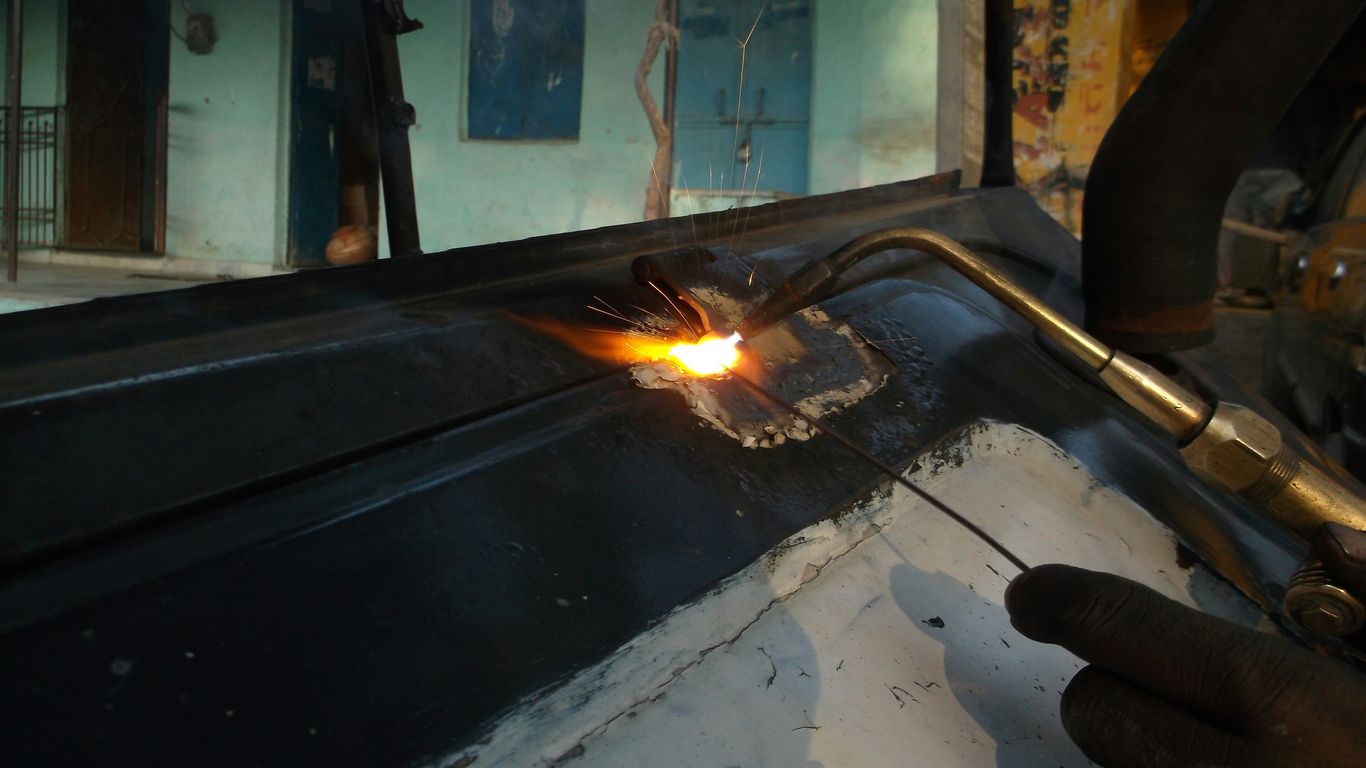
Precision and consistency in weld seam placement
Quality in welding is defined by the stability of the bead and the integrity of the heat-affected zone. Autonomous cells maintain a consistent distance and angle from the metal, ensuring uniformity that is difficult to replicate through manual labor. This level of automated production consistency remains a primary driver for industrial adoption in demanding sectors.
Handling complex geometry and varied materials
Materials respond differently to intense heat, necessitating precision in speed and intensity control. The system dynamically modulates its output based on the thickness of the steel and the configuration of the weld joint. The following data highlights the performance metrics frequently observed in testing:
| Feature Type | Manual Accuracy | Robotic Accuracy | Variance Reduction |
|---|---|---|---|
| Seam Alignment | High | Ultra-High | 45% |
| Heat Control | Variable | Consistent | 60% |
| Speed Uniformity | Moderate | Optimized | 35% |
These metrics demonstrate the advantage of using real-time sensing for adjusting torch behavior instantaneously, ensuring compliant welds across distinct materials.
Comparison with traditional cobot programming methods
Earlier generations of collaborative robots depended on human guidance for navigation, which often proved cumbersome for non-repetitive work. By removing the need for manual teaching, these autonomous systems circumvent the limitations inherent in legacy programming paradigms. This shift from teaching to commanding represents a fundamental change in factory floor logic.
Cost-benefit analysis for business owners

Understanding the return on investment cycle
Financial planning for advanced hardware must account for both immediate throughput increases and the long-term appreciation of software-driven assets. Businesses often see meaningful shifts in their bottom line when the increased throughput offsets the capital expenditure within two fiscal years. Evaluating risk involves weighing these hardware investments against the rising costs of human-led operations.
Labor reallocation strategies for skilled manual welders
Refocusing human capital is essential when incorporating high-capacity automation. Workers who previously managed routine torch duties are often transitioned to supervisory roles, where they oversee multiple cells. This strategic shift allows companies to retain expert knowledge while leveraging machines for the grueling, repetitive tasks that cause physical fatigue.
Long-term maintenance and software subscription costs
Operating advanced robotics involves recurring costs related to maintenance and system updates. While subscription models for software ensure that the robot uses current algorithms, owners must verify these costs against their specific fabrication volume. Transparent long-term forecasting remains crucial for maintaining competitive margins.
Key benefits and operational limitations
Major advantages for high-mix fabrication shops
Fabrication shops dealing with varied geometries find that the autonomy provided here allows for rapid prototyping and production. By reducing the reliance on specialized tooling for every separate project, firms can accept a wider variety of contracts. This advantage is significant for medium-scale manufacturers trying to compete for larger industrial work.
Constraints regarding facility space and infrastructure
Despite the flexibility of the software, the physical footprint of a robotic cell remains a significant requirement. Facilities must provide adequate floor space and reliable power infrastructure to support the hardware. Additionally, environmental controls in the workshop can influence the long-term longevity of high-sensitivity sensors.
Reliability and technical support expectations
Operators expect consistent uptime and responsive support for complex technical issues. As these systems become more central to the production line, the reliance on external technical expertise increases. Finding a partner who treats the company culture and service availability as priority assets is essential for long-term project stability.
Future outlook and scalability
Expanding capabilities beyond primary welding tasks
Developers are exploring how to integrate secondary tasks such as grinding and inspection into the existing robotic cells. By adding these processes to the same platform, manufacturers can consolidate their workflow, reducing the need for moving parts between stations. This consolidation points toward a future where a single cell manages the entire life cycle of a component.
Integrating with broader factory automation systems
Successful scaling relies on the ability for different machines to communicate within a centralized network. When autonomous welders interface with supply chain and project management software, the entire production chain becomes more transparent. This connectivity allows for real-time inventory adjustments based on the actual speed of the robotic output.
Future software updates and performance enhancements
As sensor technology improves and processing power grows, software updates will likely unlock new levels of precision. The ability to deploy these improvements over the air ensures that existing hardware remains relevant for years. This model of constant refinement distinguishes modern robotics from the hardware-locked systems of the past.
Conclusion
Autonomous welding technology has matured into a vital tool for the modern industrial landscape, providing significant improvements in precision while solving persistent labor challenges. By prioritizing software-led autonomy over rigid programming, manufacturers can achieve scalable production cycles that adapt to the demands of complex fabrication. As these systems continue to integrate into broader factory ecosystems, the long-term impact on manufacturing stability will likely prove substantial for firms willing to commit to the transition.
Frequently Asked Questions
How does environment lighting affect robotic sensor precision?
High-end sensory arrays utilize advanced filtering techniques to isolate the welding arc's light signature, ensuring that ambient factory lighting does not interfere with the robot's perception of the workpiece.
Do robots require specific file formats for operation?
Most modern autonomous systems are compatible with standard CAD formats, allowing for a seamless transition from a digital design file to a physical toolpath without requiring proprietary translations.
Can existing welding equipment be retrofitted with these systems?
While some autonomy kits are designed for integration, the most effective implementations involve dedicated cells designed for high-resolution sensor input and movement fluidity.
What happens when the robot encounters an unexpected obstacle?
Safety protocols are built directly into the software, ensuring that the robot halts motion upon detecting an irregular resistance or obstruction within its workspace until an operator intervenes.
How long does training for operators usually take?
Because the interface prioritizes intuitive command structures over manual programming, many operators with background knowledge in welding find they can manage the cell after only a few days of hands-on familiarization.
Is custom shielding required for the robotic cells?
Protective transparent shielding is a standard requirement for all industrial robotic cells to protect bystanders from ultraviolet light, sparks, and debris generated during the high-heat fusion process.
What is the typical lifespan of the welding torch consumables?
Consumable lifespan varies by material and operation intensity, but autonomous systems often extend the service time slightly compared to manual welding because the robot maintains a more stable distance and angle for the duration of the task.