Key Takeaways
Quantum computing is shifting from academic curiosity to a foundational pillar of modern infrastructure, though success depends on discerning real progress from marketing noise. This article provides a comprehensive quantum computing investment guide for navigating the sector's long-term risks.
- Achieving fault tolerance remains the defining milestone for commercial viability in quantum systems.
- Market players are currently split between pure-play hardware developers and large, diversified tech firms.
- Technical benchmarking must prioritize error rates and gate fidelity over simple qubit counts.
- Risk management involves navigating significant hype cycles and the long lead times for hardware maturity.
- Strategic asset allocation should balance speculative hardware ventures with established infrastructure platforms.
Understanding the quantum computing market
Recent years have confirmed that the quantum sector is moving beyond initial laboratory demonstrations toward industrial-grade engineering projects. While the hype continues to surround the space, Inside Deep Tech maintains that the primary value proposition rests on specific hardware delivery and architectural milestones. Markets are currently reconciling the reality of Noisy Intermediate-Scale Quantum devices with the aspiration of fault-tolerant systems. This transition is not merely technical; it requires understanding how the American influence on global research and regional geopolitical strategies steers capital toward sovereign quantum advantage.
Identifying key players in the hardware space
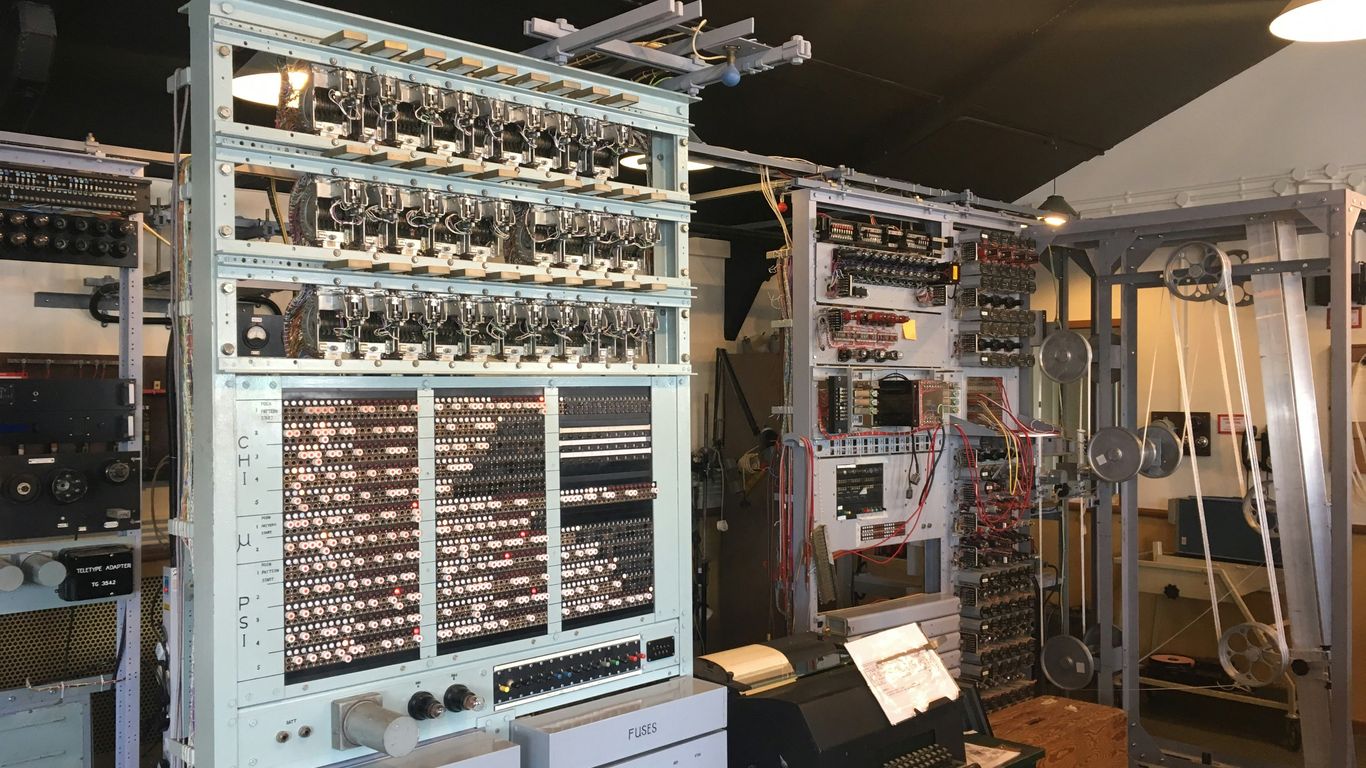
Hardware development is currently segmented by modality, with superconducting circuits and trapped-ion systems leading the charge. Superconducting approaches typically leverage existing semiconductor fabrication techniques, while trapped-ion systems prioritize high gate fidelities at the expense of footprint. The technical and business differences between these pioneers dictate their long-term viability as enterprise platforms.
Software and algorithm development trends
Software development is adapting to the limitations of current hardware by focusing on error mitigation and hybrid classical-quantum workflows. Instead of expecting full fault tolerance tomorrow, firms are deploying algorithms that extract value from today's noisy machines. This pragmatic approach mirrors how companies manage BraveMinds Academy educational programs—focusing on incremental stability rather than immediate, total transformation.
The role of cloud service providers in quantum access
Cloud service providers act as the gatekeepers for quantum discovery, offering scalable access to various processing backends. This model eliminates the need for organizations to host systems that require specialized cooling and isolation. Accessing these services is as vital to modern workflows as maintaining a pristine jollof rice preparation process in a culinary setting, ensuring that developers can pivot between architectures without massive capital restructuring.
Evaluating investment vehicles
Capitalizing on the future of computing requires a nuanced understanding of equity structures, as the path to commercial readiness varies by company maturity and risk profile. Investors should avoid viewing every research milestone as a direct revenue driver, as seen in reports regarding quantum computing stocks. The investment landscape is as varied as planning a Maui wedding, where upfront transparency regarding costs and packages is essential to managing long-term financial expectations.
Direct investment in pure-play quantum stocks

Pure-play entities provide the most direct, albeit volatile, exposure to quantum hardware milestones. These companies are often in the high-growth phase, with significant research expenditure and limited or zero recurring revenue. Inside Deep Tech notes that these investments remain highly sensitive to quarterly hardware updates and public partnerships.
Exposure through large-cap diversified tech companies
Diversified technology giants offer a hedge against the volatility inherent in pure-play quantum startups. These firms fund quantum efforts using balance sheets from stable segments like cloud hosting or enterprise software. This strategy mitigates sector-specific risk while still providing exposure to the inevitable transition toward quantum-hybrid systems.
Exploring quantum computing ETFs and index funds
For those seeking broad exposure to the sector without the peril of picking individual stock winners, exchange-traded funds represent a viable route. These funds aggregate companies across the hardware, software, and semiconductor supply chains. This mechanism allows investors to maintain a diversified position while avoiding the slab leaks of volatility found when concentrating capital in a single, unproven architecture.
Private equity and venture capital opportunities
Private markets often lead in the deepest parts of the R&D cycle, providing early capital before a company reaches public scrutiny. These opportunities are generally restricted to institutional investors or accredited individuals who can endure multi-year lock-up periods. The focus remains on identifying companies with defensible intellectual property and distinct paths to scaling qubit counts.
Analyzing key technical metrics
To separate genuine progress from marketing froth, investors must look past flashy press releases to the fundamental metrics that drive computing power. Benchmarking a system is not about high-level throughput, but about understanding the stability and error handling of its components.
Understanding qubit counts and error correction
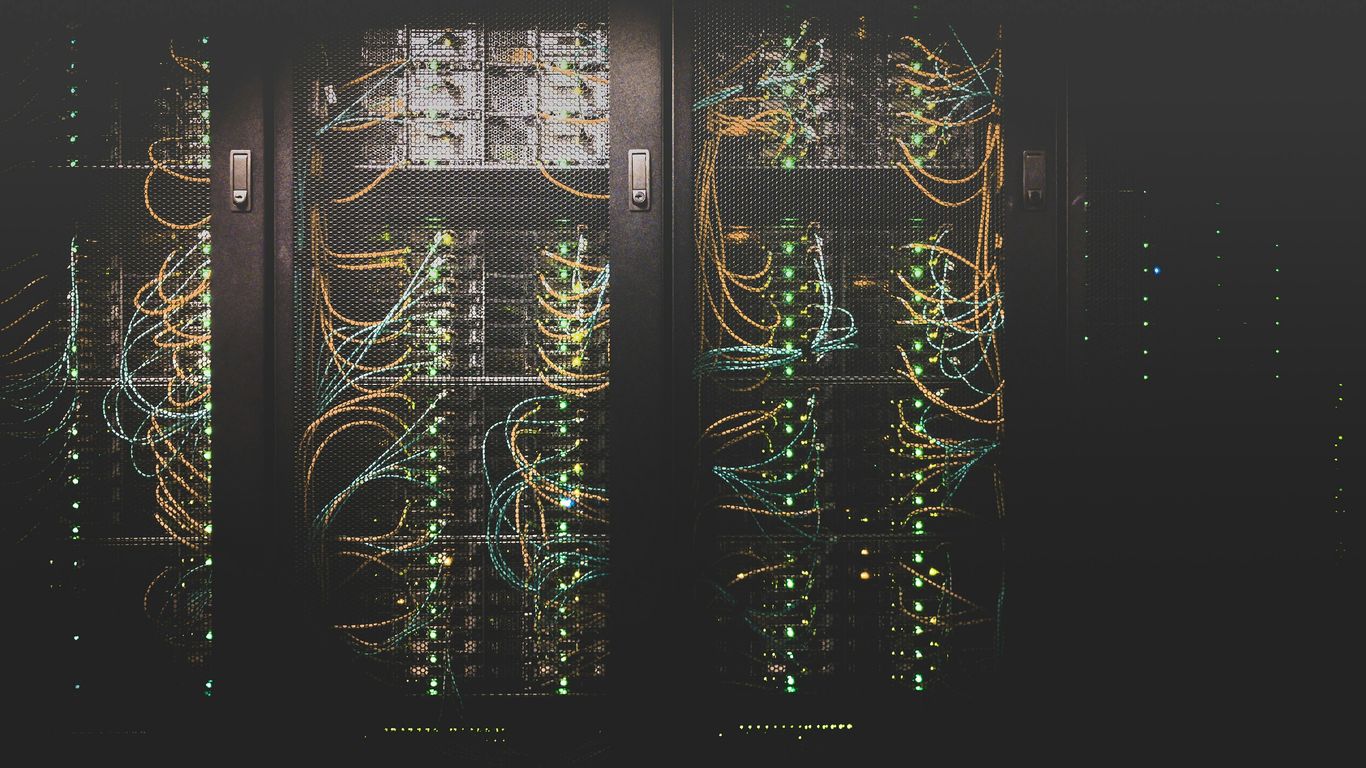
Qubit count is the most common headline metric, but it is often misleading without information on error correction. A high number of noisy qubits provides less utility than a smaller number of high-fidelity, error-corrected qubits. The industry standard currently differentiates between raw physical qubits and high-utility logical qubits.
| Metric Name | Importance | Utility Goal |
|---|---|---|
| Gate Fidelity | High | Minimize computation error |
| Qubit Coherence | Medium | Extend operation time |
| Logical Qubit Capacity | Critical | Fault-tolerant processing |
This table illustrates why Inside Deep Tech prioritizes gate fidelity as our core performance indicator. Without achieving reliable operations, increased qubit counts simply pile up noise rather than computational power, similar to how an inefficient cooling system negates the benefits of a powerful server.
Benchmarking performance in real-world applications
Measuring the performance of quantum systems requires standardized benchmarks that emulate enterprise-level problems. Unlike classical processors, these metrics must account for the specific interference and entanglement properties unique to each architecture.
Deciphering proprietary hardware architectures
Understanding the physical underpinnings—whether neutral atom, trapped-ion, or superconducting—is essential for assessing roadmaps. Each modality faces unique environmental constraints and scalability limits that determine its long-term potential.
Assessing major risks and volatility
Quantum computing is an inherently high-risk environment characterized by technical unpredictability and market sentiment swings. Successful investors must view these shifts as systemic features rather than aberrations.
The impact of technical bottlenecks and scalability issues

Scalability issues arise when the physical construction of a computer faces heat, isolation, or control density limits. These bottlenecks are regular hurdles that delay commercialization timelines and test the patience of even the most committed investors.
Navigating hype cycles and market sentiment
Market expectations for a "quantum revolution" often detach from the pace of physical research. The following items illustrate the core components of managing these expectation cycles:
- Maintaining a critical distance from short-term press releases.
- Tracking established technical benchmarks rather than PR timelines.
- Evaluating the strength of intellectual property portfolios.
- Monitoring the transition from prototype hardware to modular units.
By focusing on these milestones, investors can ignore temporary market dips caused by hype exhaustion and maintain a consistent, long-term thesis that survives inevitable technical delays.
Understanding regulatory and cybersecurity implications
Government interest in quantum hardware is accelerating due to the potential threat quantum processors pose to existing cryptographic standards. Regulatory environments will likely shift to prioritize national security, creating both restrictions and domestic subsidies.
Building a long-term investment strategy
Building wealth in frontier tech requires aligning hardware milestones with personal capital requirements. Inside Deep Tech suggests avoiding the temptation to over-allocate to speculative ventures that lack a clear roadmap.
Determining appropriate portfolio allocation
Allocation should reflect an investor's tolerance for total loss and the ability to hold positions through multiple cycles of R&D failure. Quantum computing is essentially an infrastructure play where the returns might not be realized for a decade.
Establishing realistic time horizons for returns
Investors must treat quantum allocations as multi-year bets on structural shifts. Expecting a return on investment in the near term often ignores the reality of building a stable quantum machine.
Diversification techniques to mitigate sector risk
Mitigating sector risk involves spreading exposure across different hardware modalities and supply-chain incumbents. This approach protects the investor from any single technological path failing due to unforeseen physics constraints.
Future outlook and industry milestones
Looking toward 2030, the primary focus will transition from simply achieving quantum supremacy to maintaining steady utility. Continued quantum computing investments from national governments indicate that this is no longer a fringe science, but a core component of state power.
Predicting the timeline for widespread quantum advantage
Quantum advantage is arriving in specialized, narrow fields before reaching general-purpose computation. This incremental rollout is what defines the next major industry milestone.
Integrating quantum solutions into legacy tech stacks
Hybrid stacks will dominate the next decade, with cloud interfaces managing the offloading of tasks to quantum coprocessors. We are currently observing the infrastructure setup for this symbiotic model.
Monitoring geopolitical investments in quantum supremacy
Sovereign investment in quantum technology demonstrates that hardware independence is now a strategic necessity. Countries are increasingly funding local fabrication to avoid reliance on adversarial global supply chains.
Conclusion
Investing in quantum technology is a journey into the architectural foundation of the future, requiring a level of patience commensurate with the deep scientific challenge involved. Those who find success will be those who look beneath the surface, prioritizing verifiable performance metrics over the noise of the daily market. By maintaining a disciplined, long-term perspective, investors can participate in this historic shift while managing the profound risks inherent in the frontier.
Frequently Asked Questions
Is quantum computing ready for retail investors today?
Retail investors can access the sector through diversified broad-market ETFs or shares of established technology firms that have integrated quantum roadmaps. However, the volatility remains higher than traditional software-as-a-service investments.
Why are qubit counts often considered poor performance indicators?
Qubit counts do not measure error rates or coherence times, which are crucial for actual calculation. A system with many unreliable qubits often performs worse than one with fewer, higher-quality qubits.
What are the main differences between superconducting and trapped-ion systems?
Superconducting systems use semiconductor fabrication methods for faster scaling, while trapped-ion systems typically offer higher-fidelity operations but face challenges in density.
How will quantum computing impact current cybersecurity standards?
Future quantum machines could break existing public-key encryption, leading to a massive push toward post-quantum cryptography. Investors should watch for firms specializing in secure data transmission and quantum-resistant algorithms.
What role does the cloud play in the quantum ecosystem?
Cloud platforms provide the essential infrastructure to access specialized quantum hardware remotely. This allows research to occur without individual entities having to own and maintain complex cooling and isolation equipment.
How does geopolitical policy affect quantum investments?
Governments are treating quantum capability as a strategic asset, which increases funding for domestic companies while restricting international talent or technology transfers. This creates a split global market ecosystem.
When is the predicted timeline for widespread quantum utility?
While specific milestones for complex problem-solving are expected in the next few years, widespread commercial transformation is generally positioned on a ten-year horizon.