
What Real-World Problems Can Quantum Computers Actually Solve?

Key Takeaways
Quantum computing represents a shift from classical bit-based processing, enabling the computation of states that exceed current binary limits. This technology bridges theory and application, transforming how industries handle high-complexity tasks.
- Molecular simulation allows for precise drug development through direct quantum mapping.
- Logistics optimization leverages quantum speed to solve global routing and energy distribution.
- Financial models can achieve greater accuracy by processing non-linear, multi-variable risks.
- Machine learning benefits from quantum-enhanced data pattern recognition in vast datasets.
- Cryptography faces a fundamental transition as quantum systems challenge current encryption standards.
Drug discovery and molecular simulation
Modern pharmaceutical research often stalls at the simulation stage because classical supercomputers cannot accurately model the complex dynamics of large molecules. By representing atomic states as quantum systems, researchers can mirror natural physics more precisely, significantly reducing the gap between initial discovery and clinical trial readiness. This field represents a vital nexus for Inside Deep Tech as we track the evolution of computational chemistry.
Simulating molecular interactions with high precision
Classical machines struggle because every additional electron adds an exponential layer of complexity, essentially forcing computers to approximate rather than calculate. Quantum systems naturally exploit superposition and entanglement to represent these interactions exactly as they occur in nature, allowing scientists to see the specific binding mechanics of new drug candidates.
Reducing the research timeline for new pharmaceuticals
Shrinking the research lifecycle from years to months is the ultimate potential of these hybrid workflows. By quickly screening potential candidates against a target, companies can bypass months of trial-and-error in wet labs, drastically lowering development costs.
Protein folding analysis for degenerative disease treatment
Understanding how amino acids fold into functional shapes is essential for treating diseases like Alzheimer’s, yet current models rarely achieve the granularity required for predictive accuracy. Quantum systems provide the computational overhead to map these folds in detail, which is detailed in our coverage of quantum computing breakthroughs in current research environments.
Optimization and supply chain logistics

Optimization challenges are the backbone of the global economy, yet many remain bottlenecked by the sheer volume of variables involved in routing, scheduling, and distribution. When dealing with systems characterized by hundreds of cities or thousands of delivery nodes, classical algorithms eventually hit a computation wall. Quantum hardware promises a more efficient way to navigate these high-dimensional decision spaces.
Solving the traveling salesperson problem at a global scale
Finding the absolute shortest path across thousands of points is a classic test for computational power. Our analysis confirms that quantum annealing approaches are beginning to outperform heuristics, moving from theoretical toy problems to genuine, large-scale constraints that mirror the needs of modern logistics operators.
Efficient routing for international shipping and delivery fleets
Managing fleets requires real-time adjustments to weather, traffic, and fuel constraints. By utilizing quantum algorithms like QAOA—Quantum Approximate Optimization Algorithm—companies can adjust delivery routes dynamically, ensuring that the most efficient paths are selected despite constantly shifting variables.
Balancing energy distribution across smart power grids
As renewable energy enters the grid in unpredictable bursts, balancing load becomes a massive optimization task. Table 1 illustrates the comparative efficiency gains across different operational domains:
| Operational Area | Classical Performance | Quantum Advantage Factor | Primary Constraint |
|---|---|---|---|
| Routing & Logistics | High Complexity | 10x-100x Potential | Variables count |
| Grid Stability | Medium Complexity | 50x Predicted Speed | Real-time response |
| Portfolio Risk | Low Performance | Exponential Reduction | Data non-linearity |
The data shows that as variables increase within a system, classical models suffer from latency while the quantum advantage becomes more pronounced, requiring a shift in how we manage energy and supply chains.
Financial modeling and risk assessment

Financial institutions are constantly optimizing for risk, often relying on Monte Carlo simulations that run for hours to assess portfolios. Quantum hardware introduces the possibility of accelerating these processes, turning long simulations into near-instantaneous decision inputs, a shift that we track closely at Inside Deep Tech.
Improving Monte Carlo simulations for portfolio optimization
Monte Carlo simulations essentially throw thousands of random variables at a problem to predict an outcome, requiring immense compute power linearly related to the number of simulations. Quantum speedups provide a direct improvement, allowing analysts to iterate on portfolios with more variables and higher confidence in shorter windows.
Detecting fraudulent transactions in real time with pattern recognition
Standard fraud detection often relies on rigid, rule-based systems that may catch known patterns but struggle with novel anomalies. Quantum-enhanced pattern matching can identify subtle, non-linear relationships in transactional data, enabling faster flagging of sophisticated financial crimes.
Enhancing market forecasting through analysis of non-linear data
Market data is non-linear and feedback-heavy, making it notoriously difficult for classical computers to analyze in its entirety. Through the implementation of specialized quantum algorithms, analysts can process higher-dimensional datasets that were previously discarded for simplicity, yielding a more robust understanding of market mechanics.
Advancements in artificial intelligence and machine learning
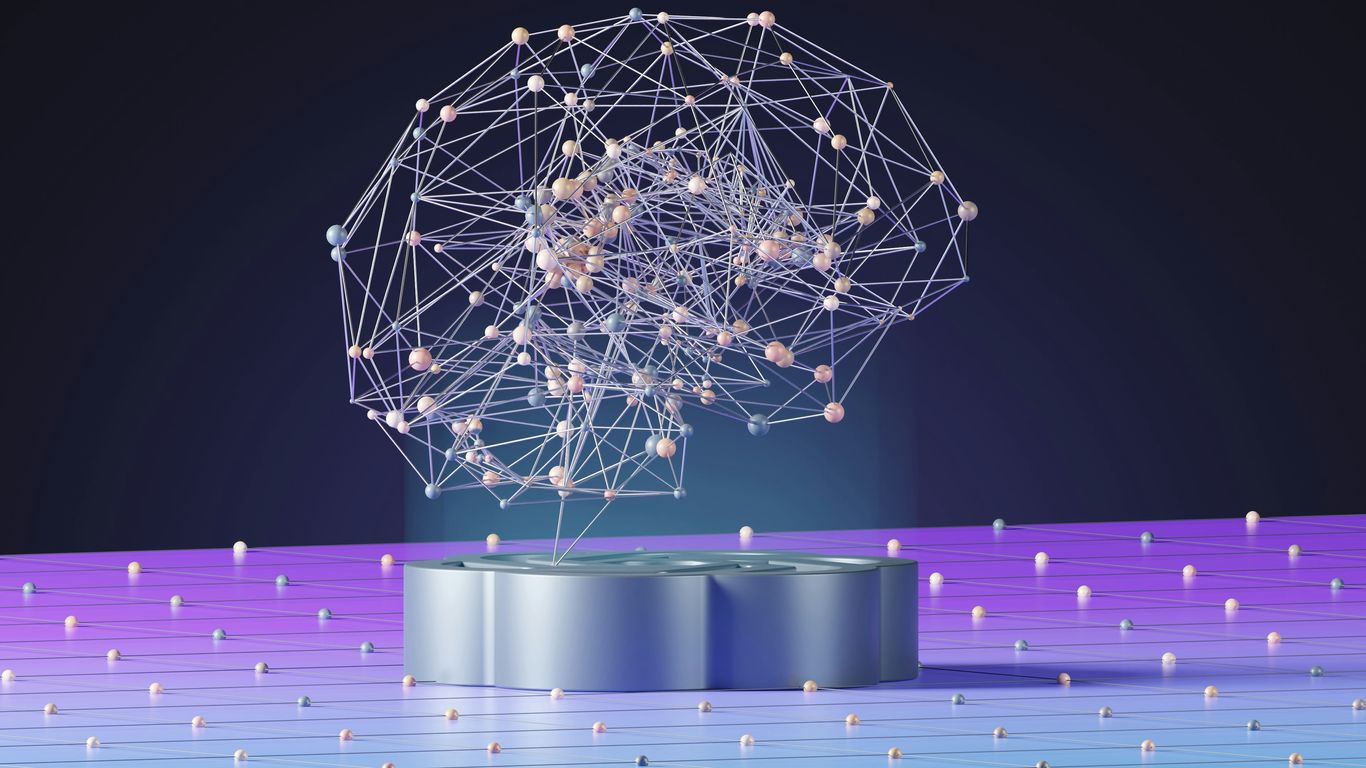
AI is currently expanding the boundaries of software, yet the hardware bottleneck in training massive, high-dimensional neural networks remains a stubborn problem. Quantum-assisted AI, or QML, suggests a path to bridge this gap, using quantum probability to accelerate the learning process, which is why Inside Deep Tech focuses on this frontier of computational architecture.
Accelerating training speeds for massive neural networks
Training a model involves finding optimal parameters in a space of billions of weights; this is essentially an search and optimization problem. Quantum interference allows for a broader, faster search of this parameter landscape, theoretically allowing for the training of significantly larger models with less total compute energy.
Enhancing pattern matching capabilities in high-dimensional datasets
High-dimensional data, such as advanced video, genetic sequences, or climate patterns, presents a challenge for classical pattern matching. Quantum feature mapping turns these into higher-dimensional representations that are more easily separable, facilitating better classification performance in cases where classical methods fail.
Improving the accuracy of generative AI models
A common limitation for generative models is the reliance on probabilistic sampling which can drift or lose coherence. Quantum versions of generative machines can utilize quantum distribution logic, leading to higher-fidelity outputs and better adherence to the underlying data distribution.
Materials science and chemical engineering
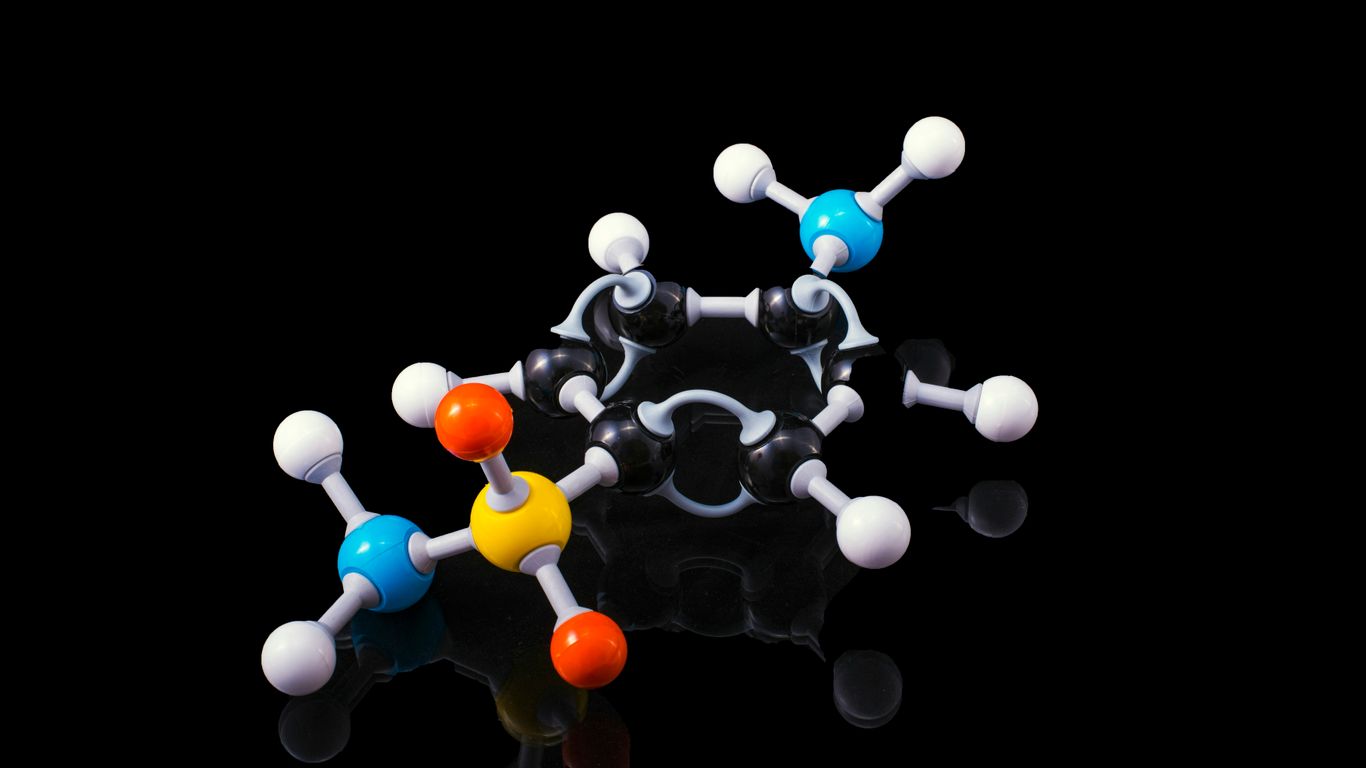
Designing new materials, from catalysts to high-density energy storage, is a molecular puzzle that defines the limits of modern engineering. Because nature behaves quantum-mechanically, the most efficient way to design a new material is to use a computer that speaks the same language.
Designing high-capacity batteries and energy storage solutions
Improving battery electrolyte stability requires simulating chemical breakdown across diverse conditions. By using a quantum computing approach, researchers can model the transition states of these chemicals, leading to faster discovery of high-performance electrolytes that aren't possible via traditional hardware.
Creating lightweight, durable materials for the aerospace industry
Aerospace engineers require materials that optimize strength-to-weight ratios, which often depend on complex metallic alloys. Simulating these atomic bonds requires precise electron-level modeling, a process where quantum circuits are increasingly expected to play a major role in screening candidates.
Optimizing nitrogen fixation for sustainable, industrial-scale fertilizers
Nitrogen fixation is an incredibly energy-intensive process in the chemical industry, but it occurs effortlessly at room temperature in nature through specific enzymes. Quantum simulations are currently being used to mirror this process to identify how to replicate it in industrial chemical engineering projects.
- The research must prioritize stable coherence times for simulation.
- Integration with classical clusters is necessary for hybrid tasks.
- Scalability of logical qubits remains the secondary barrier.
- Software development must abstract the quantum layer for designers.
As we observe these developments, it is clear that hardware fidelity is no longer just an academic pursuit but a fundamental requirement for industrial chemicals and high-capacity batteries.
Cryptography and cybersecurity
Cryptography rests on the assumption that certain math problems—like factoring large integers—are impossible to solve within a human lifetime using classical computers. Quantum systems, if scaled properly, threaten this foundational security, making it imperative to rethink how we secure data.
Developing quantum-resistant encryption protocols
We are currently in a transition period where global standards are moving toward quantum-resistant algorithms that rely on math problems that quantum computers cannot crack easily. Companies must begin assessing their current exposure, ensuring that their crypto-agility allows them to shift away from vulnerable protocols before 2030.
Securing communications via quantum key distribution
Beyond just writing better math into encryption, physics provides an answer through quantum key distribution (QKD). Because a quantum state changes its properties when measured, QKD creates a physical guarantee that an eavesdropper cannot intercept a key without being detected, providing a new layer of security for ultra-high-stakes communication.
Analyzing the impact on traditional RSA and ECC cryptography
RSA and ECC, the common standards protecting everything from online banking to private messaging, are fundamentally insecure against large-scale, fault-tolerant quantum computers. We must navigate a future where these standards are obsolete, a theme that we consistently flag in our latest reporting on quantum ecosystem progress.
Conclusion
Understanding what real world problems can quantum computers solve is more than an abstract exercise in physics; it is a direct window into the upcoming shift in global industrial infrastructure. As we move from experimental lab demonstrations to robust, error-corrected systems, the ability to model nature, optimize complex resource allocation, and secure data will define the next wave of technological capability. By focusing on hybrid models and high-fidelity logical qubits, the industry is laying the groundwork for a transition that will redefine how we engineer the fundamental components of our economy, from fertilizers to finance.
Frequently Asked Questions
What makes quantum computers different from classical computers?
Quantum computers use qubits that can exist in superpositions and entanglements, allowing them to perform parallel calculations on combinations of states that would require multiple sequential steps on a binary-based classical computer.
Will quantum computers replace classical computers?
They are unlikely to replace classical computers entirely but will likely serve as specialized co-processors for specific intractable tasks, creating hybrid systems that balance classical reliability with quantum speed.
What is the biggest hurdle currently facing quantum computing experts?
The primary challenge is maintaining quantum coherence, which is the time during which a qubit remains stable enough to perform a calculation before environmental noise introduces errors.
How soon will quantum computers reach industrial viability?
Reliability is moving forward, but widespread, fault-tolerant commercial utility is likely still years away as engineers focus on scaling up the number of usable logical qubits.
Why does quantum computing pose a risk to current encryption?
Many modern encryption methods rely on prime factorization or discrete logarithm problems that quantum algorithms are theoretically designed to solve exponentially faster than classical techniques.
Are there any immediate applications for quantum technology today?
Today’s hardware is still in the noisy intermediate-scale quantum era, which is primarily focused on prototype simulations, benchmarking new algorithms, and developing hybrid workflows for scientific research.
What do developers need to do to prepare for the quantum era?
Developers should focus on learning hardware-independent quantum languages and understanding the requirements for quantum-resistant cryptography to ensure their current digital infrastructures remain secure during the upcoming technology transition.