
Key Takeaways
As organizations face increasingly sophisticated cyber threats, moving beyond siloed security tools is essential for maintaining a defensive edge. This guide details how extended detection and response architectures unify telemetry to improve overall security resilience.
- Improved cross-layer visibility bridges gaps between endpoint, network, and cloud security.
- Unified analytics reduce manual investigation times by correlating diverse data streams automatically.
- Centralized remediation workflows allow for rapid incident containment across multiple infrastructure layers.
- Successful implementation requires balancing technological capabilities with existing organizational security workflows.
- Proactive integration of threat intelligence feeds remains central to maintaining accurate behavior-based detection models.
The fundamentals of XDR
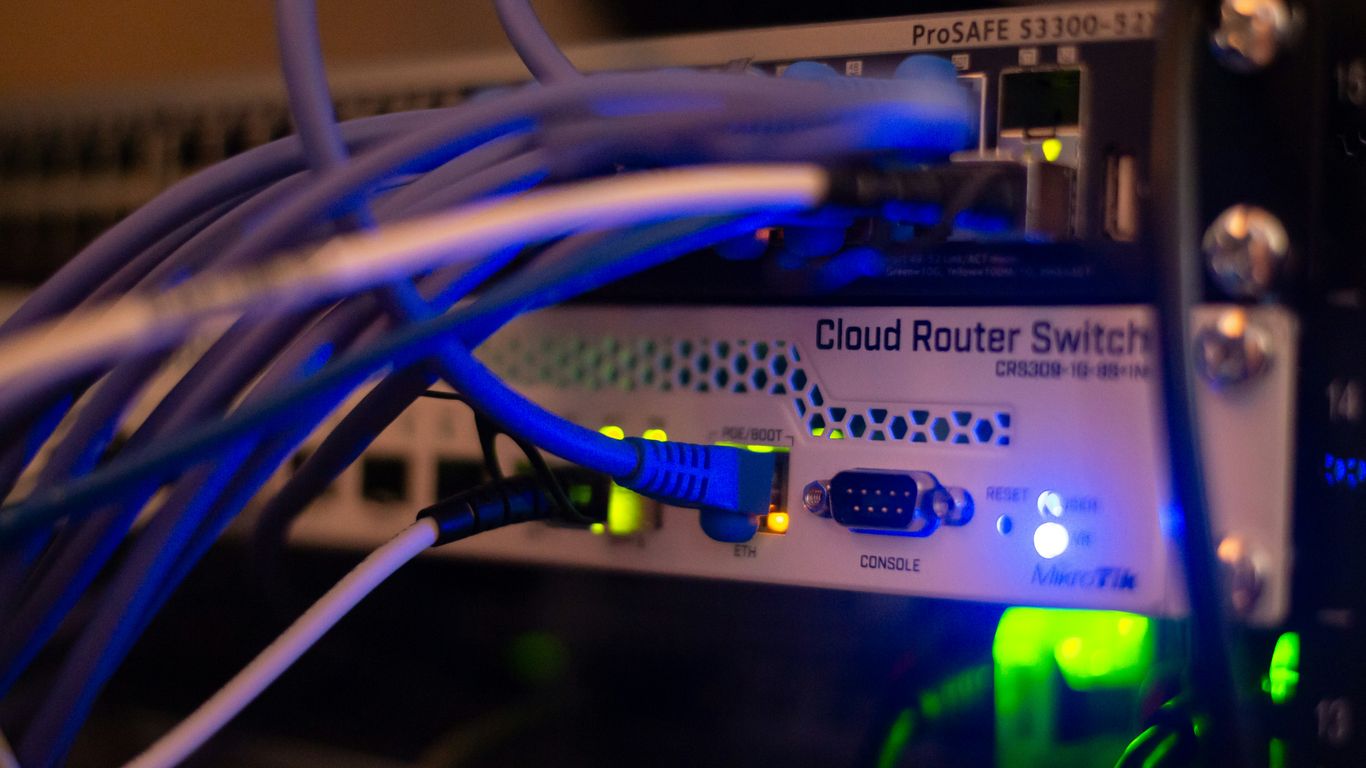
Security teams often operate in fragmented environments where distinct point solutions struggle to communicate effectively. XDR represents a strategic evolution in threat management by unifying data collection and response across multiple security layers to ensure consistent coverage. Organizations aiming to replace disconnected legacy systems often find that Extended Detection and Response is essential for maintaining control over modern, distributed compute environments.
Definition and core concept
The core concept of XDR revolves around the consolidation of security telemetry from disparate sources into a single, cohesive visibility fabric. Rather than treating an email filter, a server log, and a cloud firewall as isolated silos, the architecture enforces a common data schema that allows for holistic monitoring of an organization's digital attack surface.
How XDR evolves beyond EDR
While foundational security measures like endpoint detection and response provide critical visibility into local device activity, they lack the context needed to identify complex, multi-stage attacks that traverse the network or cloud boundaries. XDR extends this visibility by ingesting telemetry from identity providers, network traffic, and email gateways, effectively broadening the scope of what a security operations center can detect and mitigate in real time.
Key components of the modern XDR stack
Modern XDR platforms rely on a robust ingestion layer, high-performance analytical engines, and bidirectional integration capabilities. These systems act as a central nervous system for threat data, utilizing machine learning to distinguish between routine administrative actions and genuine indicators of compromise. By maintaining deep integration with foundational infrastructure, these platforms convert massive data volumes into high-fidelity incidents that security teams can actually act upon.
How XDR operates within the security ecosystem
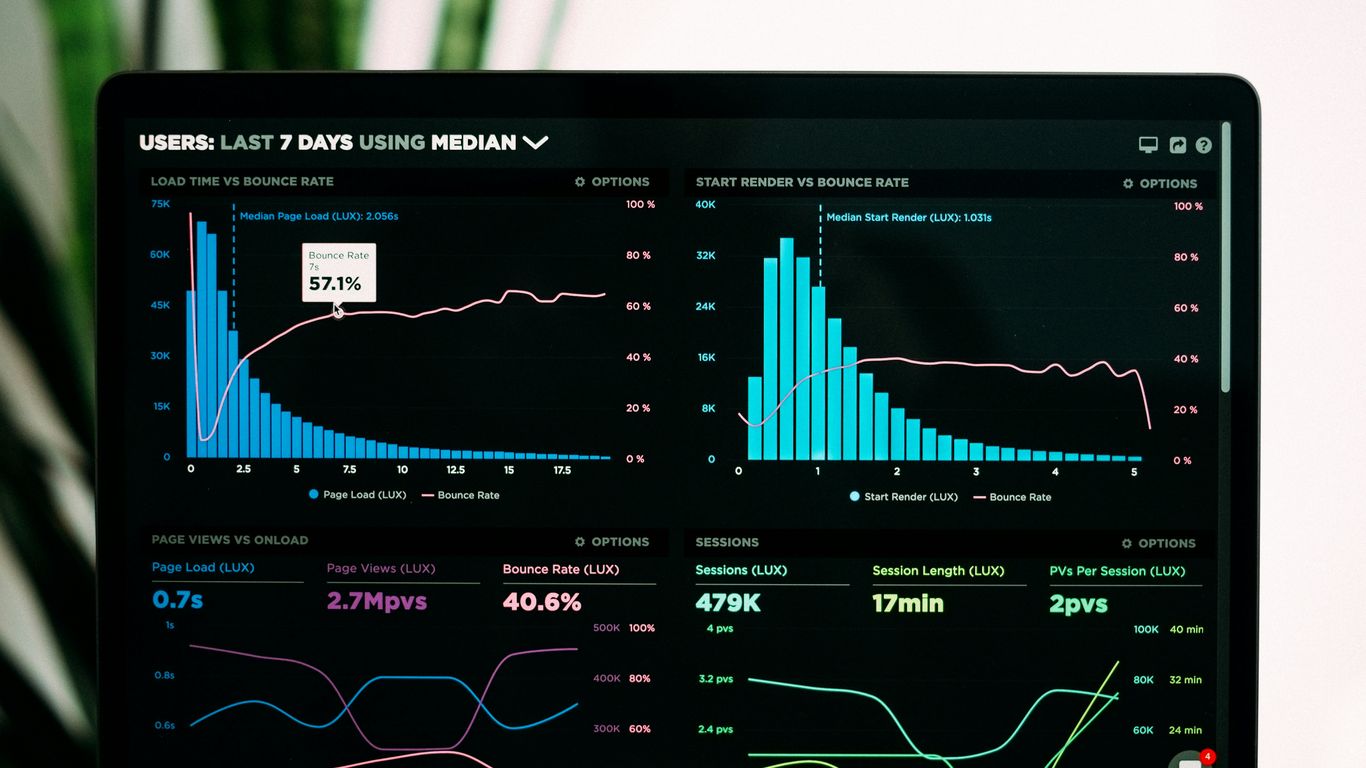
Effective security operations rely on the seamless flow of telemetry from every node in the stack to a central analytical engine. This systematic approach ensures that no endpoint or cloud workload remains an unmonitored blind spot, enabling a more integrated security posture.
Data collection and telemetry ingestion
The primary task of any XDR platform is the ingestion of diverse datasets, ranging from host-level process creation logs to network flow metrics and cloud service activity. Without normalizing these disparate data formats, correlation remains impossible, leading to the fragmentation that plagues older security models.
Centralized analysis and cross-layer correlation
Centralized analysis occurs when the system correlates disparate alerts into a unified incident context. By chaining together minor signals, the platform creates a narrative of an ongoing attack, rather than flooding analysts with disconnected, low-level alerts.
| Detection Stage | Primary Data Source | Analytical Action |
|---|---|---|
| Initial Access | Email Gateway Logs | Flagging suspicious phishing links |
| Lateral Movement | Network Traffic Flow | Anomaly detection in port usage |
| Data Exfiltration | Cloud Storage Access | Identifying irregular egress volumes |
The correlation engine provides the connective tissue that allows security analysts to view the entire life cycle of an incident in a single, interface-based timeline.
Automated response and remediation workflows
Automation allows for standardized responses at machine speed, drastically reducing the time spent on manual containment tasks. When an incident is confirmed, the platform triggers workflows designed to isolate affected assets, update firewall rules, or revoke compromised identity tokens.
- Automatically quarantine infected endpoints via agent integration.
- Invalidate sessions for accounts showing anomalous beaconing behavior.
- Update network access control lists to block malicious communication channels.
- Trigger persistent forensic logging for affected cloud instances.
These orchestrated responses ensure that containment occurs long before a human analyst can manually log into the console.
Key benefits of implementing XDR

Moving to an integrated platform changes the fundamental economics of security operations. By shifting the burden of data aggregation and event correlation from human analysts to intelligent software, teams gain significant improvements in both operational efficiency and threat mitigation effectiveness.
Enhanced visibility across diverse IT environments
Visibility forms the bedrock of every effective security strategy, yet maintaining this across hybrid and multi-cloud architectures presents a significant challenge. By consolidating disparate signals, these platforms ensure that security teams can reliably monitor infrastructure wherever it resides, from on-premise hardware to ephemeral container environments.
Reduced alert fatigue for security operations teams
Alert fatigue is a growing concern that often leads to staff burnout and missed critical warnings. By applying statistical analysis to filter out noise and focusing on context-rich incidents, security teams can dedicate their limited resources to valid security threats rather than endless cycles of checking false positives.
Faster incident detection and resolution times
The integration of automated analysis and rapid dissemination of threat context allows organizations to reduce their mean time to detect and respond to threats. When actionable data is available instantly, the windows of exposure created by delayed manual investigation are closed more effectively.
Selecting the right XDR platform for your organization

Selecting a platform requires a deep evaluation of your existing security stack and future operational goals. Because Extended Detection and Response initiatives represent a long-term architectural commitment, integration flexibility remains the single most important factor for technical teams.
Compatibility with existing security infrastructure
Compatibility involves more than just API availability; it concerns the depth of meaningful telemetry that can be shared between existing legacy systems and the new platform. A truly effective deployment ensures that data from your current firewall, email protection, and endpoint agents can flow into the XDR analysis layer without extensive custom engineering.
Evaluating native versus hybrid XDR architectures
Native platforms prioritize deep integration within a single vendor's ecosystem, often providing the most streamlined setup and performance benefits. Conversely, hybrid architectures allow organizations to retain their best-in-breed tools from different vendors, though this requires stricter attention to integration standards and potential data normalization challenges.
Assessing scalability and resource requirements
Scalability considerations extend beyond simple compute capacity to encompass the volume of ingestible data and the complexity of real-time analytical queries. Teams must ensure the platform can handle peak ingestion spikes without throttling, as these peaks often correlate with the exact moments when detection performance is most critical.
Challenges in XDR adoption
Managing increasing data volumes and storage costs
The sheer volume of telemetry required for comprehensive visibility can quickly lead to escalating storage expenses. Organizations must implement intelligent data tiering strategies, keeping high-priority logs in active analysis pools while migrating raw, low-value data to more cost-effective storage solutions.
Skill requirements for platform configuration and management
Proper configuration requires staff who understand both the underlying security architecture and the specific nuances of the new analytical platform. Without dedicated training and clear internal management policies, the system may provide suboptimal output, negating the primary benefits of the investment.
Balancing vendor lock-in with unified security goals
Choosing a platform necessitates a trade-off between the ease of a consolidated vendor stack and the agility provided by a best-of-breed approach. Organizations must carefully consider how long-term dependency on a specific proprietary correlation engine might restrict their future ability to adapt to new threat vectors or incorporate novel security technologies.
Best practices for successful XDR deployment
Establishing security baselines for behavior analysis
Effective detection relies on understanding what normal activity looks like within your specific environment before attempting to identify anomalies. By establishing these baselines during the initial deployment phase, security teams provide the detection engine with the context necessary to differentiate between expected administrative shifts and potential breaches.
Prioritizing critical telemetry sources for initial integration
Attempting to integrate every single data source simultaneously often leads to project paralysis and data quality degradation. Start by focusing on the most high-value signals—such as authentication logs and core network traffic—before gradually expanding to less critical telemetry sources.
Leveraging threat intelligence feeds to improve detection accuracy
Threat intelligence provides the external context needed to make internal logs more actionable. By incorporating real-time feeds into the XDR analytical workflow, organizations remain updated on the latest indicators of compromise, allowing for proactive hunting and quicker adjustments to detection thresholds.
Conclusion
Adopting an extended detection and response approach is a strategic move that aligns cybersecurity operational practices with the realities of modern, distributed IT environments. By prioritizing data integration, cross-layer visibility, and automated response capabilities, organizations can significantly shorten incident lifecycles and reduce the risk posed by adversaries. While the path to full implementation involves overcoming significant data and skill-based hurdles, the resulting resilience and operational efficiency provide a tangible, long-term security advantage for any technologically literate enterprise.
Frequently Asked Questions
How does XDR differ from traditional security information and event management systems?
Standard logging platforms aggregate data for archival purposes, whereas XDR platforms perform real-time, cross-layer automated correlation and response, turning data into active threat mitigation rather than passive archival records.
Can my organization implement XDR if we already rely on multiple specialized security vendors?
Yes, by opting for a hybrid deployment model, organizations can integrate existing point solutions into a centralized detection platform, provided the platform supports the necessary vendor-specific API integrations and broad telemetry schemas.
What are the most common telemetry sources to prioritize during initial rollout?
High-impact sources generally include identity and access management logs, endpoint process execution data, cloud infrastructure activity, and network perimeter flow logs, as these capture the majority of movement across an attack chain.
Is automation in this platform safe without constant human oversight?
Most modern systems allow for configurable trust levels, where automated playbooks are restricted to low-risk containment actions, while high-impact actions—such as shutting down critical services—require mandatory human confirmation before execution.
Does this approach replace the need for an internal security operations center?
No, because these tools are force multipliers that require skilled analysts to interpret complex findings, manage system tuning, and perform manual threat hunting when automated tools identify suspicious but non-deterministic activity.
How do organizations measure the success of an implemented security platform?
Key performance indicators typically include objective metrics like the mean time to detect and mean time to respond to incidents, as well as qualitative metrics like the reduction in false-positive alerts per analyst shift.
Is the cost of storing excessive telemetry worth the security gains?
While storage costs can be significant, the risk mitigation value gained from improved detection granularity often outweighs the expense, especially when paired with data tiering and lifecycle management policies that optimize long-term storage expenditures.