Key Takeaways
Agricultural robotics startups 2026 are moving beyond demonstrations toward machines designed for specific field workflows. The strongest approaches pair perception, autonomy, and practical deployment constraints.
- Agricultural robots are targeting labor-intensive tasks such as weeding, harvesting, spraying, and transport.
- Autonomy is increasingly paired with remote supervision rather than treated as a fully unattended capability.
- Electric and solar-powered platforms can reduce fuel use while introducing new operational trade-offs.
- Specialty crops remain difficult automation targets because produce varies in shape, maturity, and location.
- Deployment evidence, serviceability, safety, and unit economics matter as much as technical novelty.
1. Carbon Robotics: AI-powered laser weeding
Agricultural weeding is a useful test of whether robotics can create value outside a laboratory. The task is repetitive, spatially distributed, and difficult to solve with a single mechanical rule. Laser-based systems use machine vision to identify plants and direct treatment, making the crop row a perception problem as much as a mechanical one.
The appeal is selective intervention. Instead of treating an entire field uniformly, a machine can inspect plants as it moves and act on detected weeds. That approach may reduce reliance on broad chemical applications, although field conditions, crop geometry, operating speed, and maintenance still determine whether the economics work.
For investors and operators, the relevant question is not whether a robot can recognize a weed once. It is whether perception remains dependable across dust, changing light, crop varieties, residue, and long operating windows. The broader robotics startup landscape shows why deployment evidence deserves more weight than a polished demonstration.
2. Bluewhite: Autonomous tractor technology
Autonomous tractor systems address a different layer of farm automation: the movement and coordination of familiar equipment. Rather than requiring every agricultural task to begin with a new robot design, autonomy can be added to tractor-based workflows where routes, implements, and field boundaries are already part of the operation.
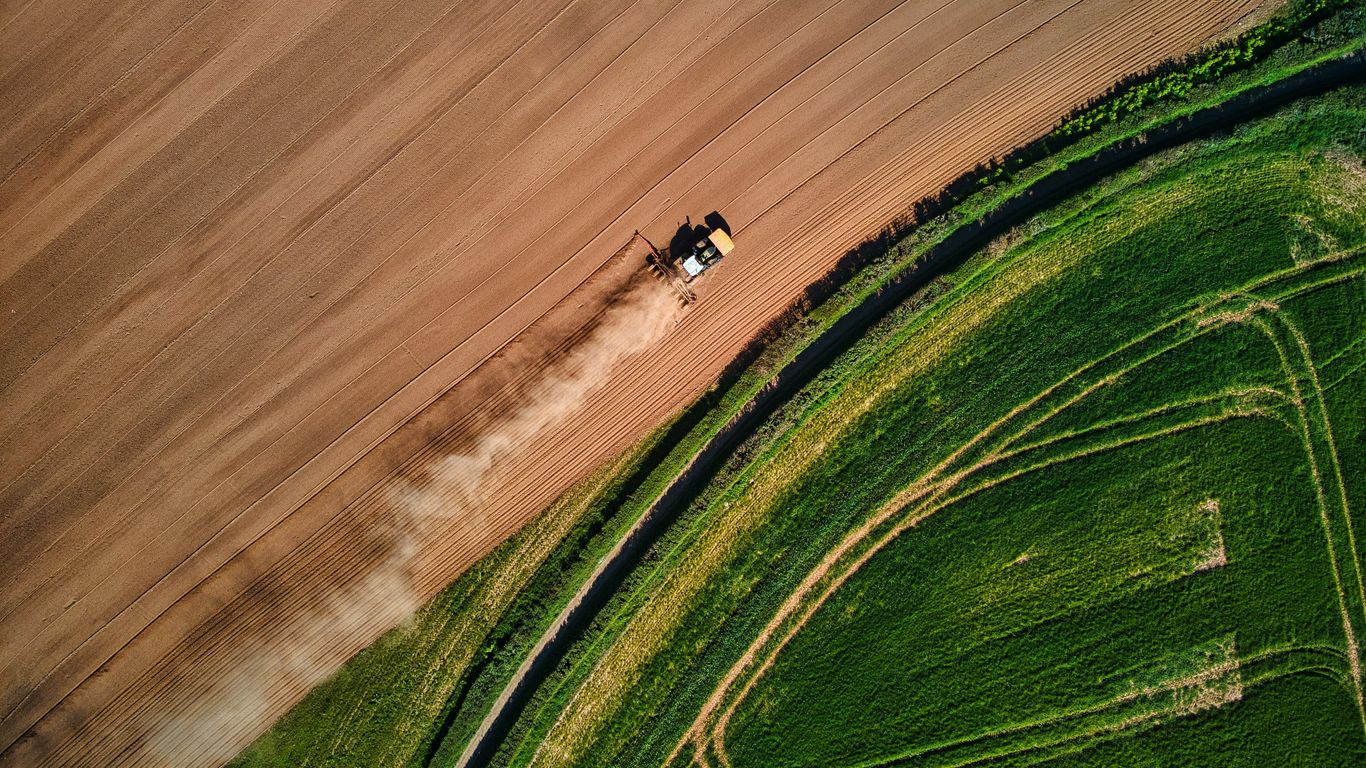
The technical challenge is operational continuity. A useful system must account for navigation, obstacles, changing terrain, implement behavior, and the need for people to supervise exceptions. That makes autonomy a fleet and workflow problem, not merely a self-driving problem.
A practical evaluation should therefore examine installation, operator training, intervention frequency, connectivity, and how the system behaves when conditions depart from the expected route. The difference between a pilot and a dependable farm tool is often found in those unglamorous details.
3. FarmWise: Precision vegetable-farming robots
Vegetable production presents a demanding environment for machine perception. Plants can be close together, weeds can resemble crops, and the value of a precise intervention may depend on timing within a narrow growing window. Robotic systems for these fields must combine careful sensing with equipment that can move without damaging the crop.
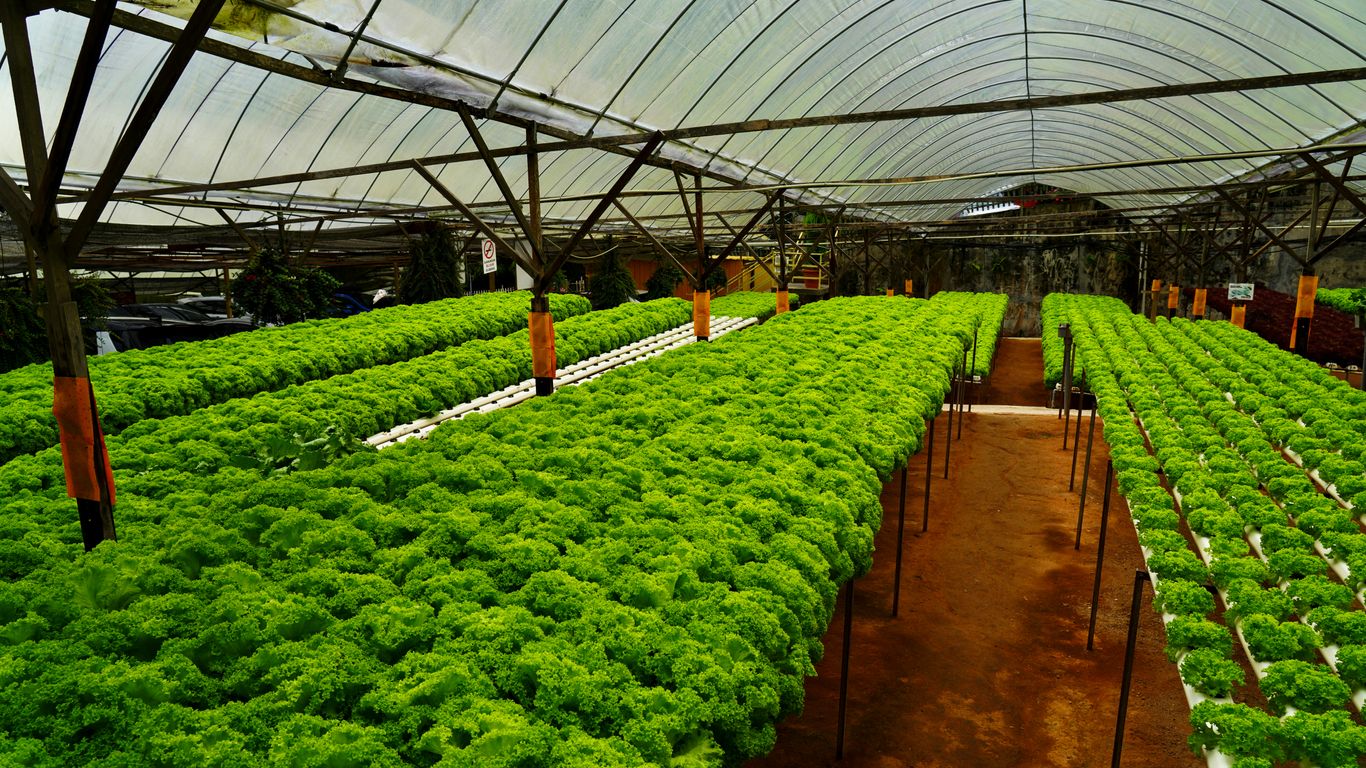
The strongest case for precision robotics is not automation for its own sake. It is the possibility of applying labor, cultivation, or treatment more selectively across a field. That can make a difference where manual work is expensive and blanket treatment is undesirable, but performance must be measured over real acreage rather than a controlled test strip.
The operating model also matters. A machine may need field mapping, regular calibration, human inspection, and a service process capable of handling seasonal demand. These requirements are part of the product, even when they do not appear in a specification sheet.
4. Naïo Technologies: Autonomous field and vineyard robots
Field and vineyard robots work in environments where terrain, row geometry, and plant spacing are tightly connected. A platform designed for one setting may need different sensing, clearance, and navigation behavior in another. This makes agricultural autonomy unusually sensitive to the physical details of each farm.
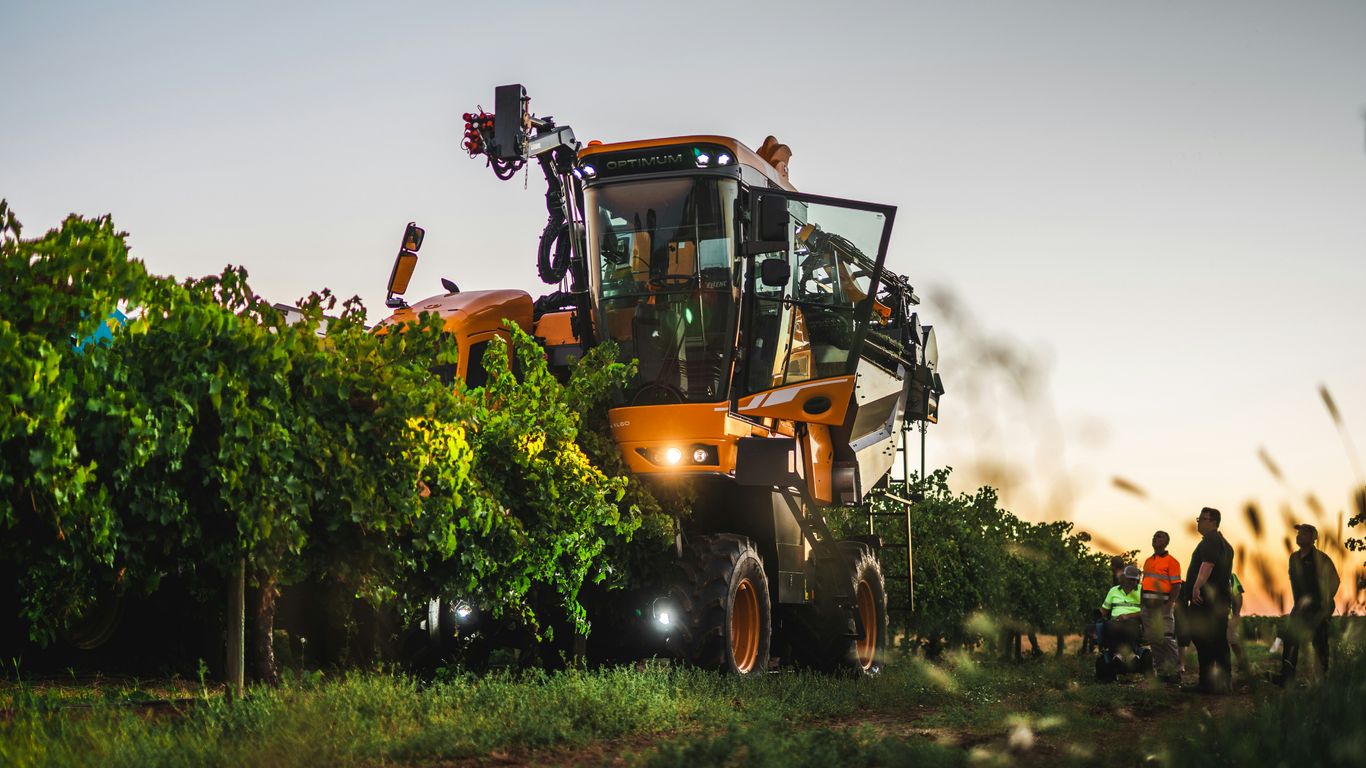
The opportunity lies in repeatable operations that can be scheduled around crop development and labor availability. The limitation is that farms are not standardized factories: slopes, soil conditions, trellising, irrigation equipment, and headlands can vary from one site to the next.
A credible deployment plan must define where the robot is expected to operate, what it does when the route is blocked, and which tasks remain human-led. Clear boundaries are a strength, not a weakness, because they allow growers to judge the system against a real workflow.
5. Burro: Autonomous robots for harvesting and farm logistics
Harvest operations combine movement, timing, and human coordination. A logistics robot can reduce the distance workers travel, carry materials through a field, or support the flow between picking and collection. These tasks may appear less dramatic than robotic manipulation, but they can still affect throughput and fatigue.
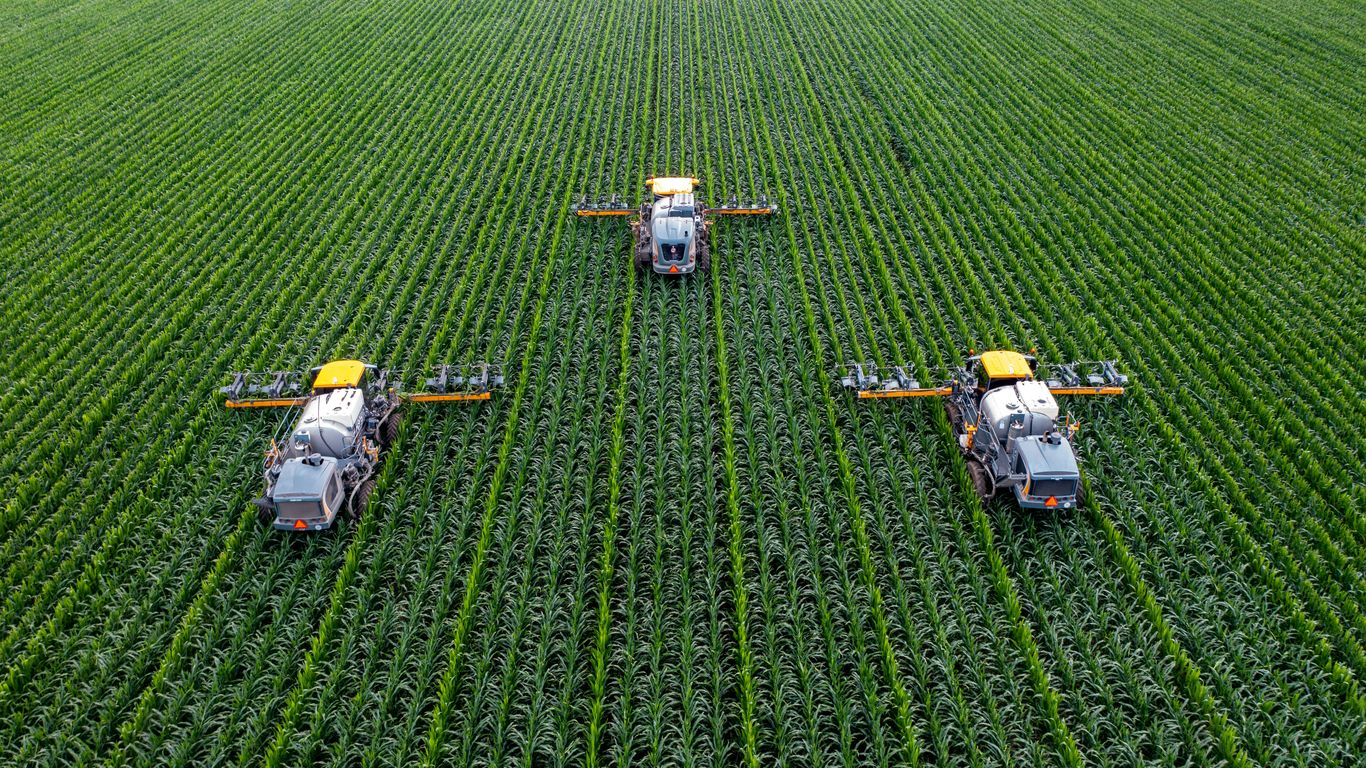
The central design question is how the machine fits into a moving team. It must navigate around people, changing loads, uneven ground, and temporary obstacles without becoming another object workers have to manage. Workflow fit matters most when the robot is introduced into an already time-sensitive operation.
A useful field trial should track interruptions, loading and unloading time, route completion, and the amount of supervision required. Those observations reveal whether autonomy is reducing work or simply relocating it to an operator watching a screen.
6. Verdant Robotics: AI-driven crop care and spraying
Crop care places a premium on timing and selectivity. A robotic sprayer or treatment platform may need to distinguish plant conditions, position an applicator accurately, and work within constraints set by weather and crop development. The objective is not simply to automate motion; it is to make application more deliberate.
Such systems also sit at the intersection of agronomy and machine control. Better sensing can support more targeted decisions, but the agronomic value depends on what is being detected, how quickly the system responds, and whether the treatment is appropriate for the crop and its environment.
The economic assessment should include material use, coverage quality, labor requirements, cleaning, calibration, and downtime. A narrow improvement in application precision may become meaningful at scale, but only if the robot can operate reliably across the seasonal conditions that matter.
7. Advanced.Farm: Robotic harvesting for specialty crops
Specialty-crop harvesting is among the hardest agricultural automation problems because the target is valuable, variable, and easily damaged. Fruit can differ in size, color, orientation, and maturity even within a small area. A harvesting machine must therefore combine perception, grasping, motion planning, and gentle handling.
The gap between a successful pick and a commercially useful harvest is substantial. Systems need to maintain acceptable speed and quality while coping with occlusion, foliage, weather, and changing crop structure. They also need to integrate with packing, field transport, and human crews rather than operate as an isolated machine.
Investors should look for evidence that a platform works across enough conditions to support a repeatable service model. The most meaningful metrics may include damage rates, usable harvest, uptime, intervention frequency, and total labor displacement, not just the number of objects picked in a demonstration.
8. Agtonomy: Remote supervision for autonomous farm equipment
Remote supervision is a practical bridge between manual operation and full autonomy. It allows a machine to handle routine movement while a person monitors several systems, responds to exceptions, or changes an operating plan. That division of labor can be more realistic than assuming every edge case will be solved onboard.
The architecture raises questions about communications, operator workload, escalation rules, and accountability. A farm may have excellent connectivity in one area and unreliable coverage in another. A system that performs well under normal conditions still needs a safe response when a signal is lost or the environment becomes ambiguous.
The commercial test is whether one supervisor can manage more productive equipment without creating a new bottleneck. Remote oversight is valuable when it reduces routine labor while preserving a clear human role for decisions that automation cannot yet make confidently.
9. Monarch Tractor: Electric and autonomous tractors
Electric tractors connect agricultural robotics with the broader shift toward electrified machinery. Battery power can change maintenance routines, noise levels, and energy planning, while autonomy adds a separate layer of sensing and control. Treating those as one promise can obscure the operational questions each technology introduces.
Farm operators need to understand charging access, duty cycles, implement compatibility, terrain, weather, and the availability of service. The right comparison is not simply electric versus diesel or autonomous versus manual. It is whether the complete machine can perform the required work at an acceptable total cost.
That assessment should include infrastructure and downtime as well as purchase price. Electrification may be especially compelling in predictable or repetitive workflows, but the result depends on how the equipment is used and maintained over a full season.
10. Aigen: Solar-powered robots for sustainable weed control
Solar-powered field robots approach weed control through a different energy model. Their usefulness depends on how much work can be completed between charging opportunities, how the platform handles shade and weather, and whether its operating schedule matches crop needs. Energy autonomy is a system property, not just a panel specification.
The sustainability case also requires a full accounting of manufacturing, battery replacement, maintenance, field access, and the treatments or fuel the robot displaces. A lower-emission operating profile can be meaningful, but it should be evaluated alongside reliability and agronomic performance.
For readers tracking the sector, the Farm Robotics Challenge offers a useful reminder that practical agricultural problems often produce better engineering questions than abstract demonstrations. The next wave of systems will be judged by whether they can work repeatedly, safely, and economically in the places farms actually operate.
Across these categories, the comparison becomes clearer when each platform is evaluated against the job it is meant to perform. A simple framework can keep technical excitement from outrunning commercial reality:
- Define the field task and the conditions that count as success.
- Measure intervention, uptime, quality, and labor impact over a meaningful operating period.
- Account for charging, connectivity, maintenance, training, and seasonal scheduling.
- Separate a prototype result from a repeatable product or service model.
This framework does not reduce robotics to a spreadsheet. It gives founders, growers, and investors a common language for deciding which technical gains matter in the field.
| Evaluation dimension | Practical question | Why it matters |
|---|---|---|
| Perception | Can the system detect the relevant target under changing conditions? | Field variability is a primary source of failure. |
| Autonomy | What happens when the normal route or task breaks down? | Exception handling determines supervision needs. |
| Economics | Does the complete workflow justify the equipment and service cost? | Technical performance alone does not establish adoption. |
| Deployment | Can the system be installed, maintained, and used season after season? | Repeatability separates pilots from infrastructure. |
The table highlights a common pattern: agricultural robotics is a systems business. Hardware, software, agronomy, service, and farm operations have to work together before a promising machine becomes dependable infrastructure.
Conclusion
The leading agricultural robotics startups of 2026 are not pursuing one universal farm robot. They are targeting specific bottlenecks—weed control, crop care, harvesting, transport, and tractor operation—where autonomy can be measured against a real workflow. The companies most likely to endure will be those that turn technical capability into reliable seasonal performance, with honest limits and a clear path to economic value.
Frequently Asked Questions
What are agricultural robotics startups 2026 focused on?
They are focused on practical farm tasks including weeding, spraying, harvesting, field navigation, crop transport, and autonomous operation of agricultural equipment.
Why is agricultural robotics difficult to commercialize?
Farms contain variable terrain, weather, crops, lighting, soil, and human activity. A robot must remain useful across that variability while meeting safety and cost requirements.
Are farm robots fully autonomous?
Some systems may handle defined tasks autonomously, but many commercial approaches still use remote supervision or human intervention for exceptions and changing conditions.
Which agricultural tasks are easiest to automate?
Tasks with repeatable routes, clear operating boundaries, and measurable outputs are generally easier starting points than delicate manipulation in irregular crop environments.
How should investors evaluate agricultural robotics?
They should examine deployment evidence, uptime, intervention rates, crop or task quality, service requirements, customer economics, and the ability to operate across multiple seasons.
Can agricultural robots reduce farm labor needs?
They can reduce or redirect labor for particular workflows, but the result depends on the task, operating conditions, supervision model, and whether the robot adds maintenance or coordination work.
What will determine the next phase of farm robotics?
Commercial progress will depend on dependable field performance, lower integration costs, practical financing and service models, and systems that fit existing farm operations rather than requiring complete workflow redesign.