Key Takeaways
The rapid expansion of artificial intelligence is fundamentally altering the requirements for modern data center architecture and capital allocation. This shift necessitates deep technical due diligence across hardware, energy, and physical infrastructure.
- Compute requirements for generative models are driving an unprecedented transition from standard servers to massive, hyperscale-ready data centers.
- The semiconductor supply chain faces significant pressure to produce specialized hardware that balances high-density processing with aggressive thermal constraints.
- Power utility providers are playing a critical role, as grid reliability becomes a primary bottleneck for large-scale AI deployment.
- Real estate investment trusts specializing in digital infrastructure are seeing a market pivot toward acquiring prime land with secured power access.
- Networking hardware connectivity is becoming a major performance differentiator, with fabric scaling necessary for large language model coherence.
The intersection of AI and data center infrastructure
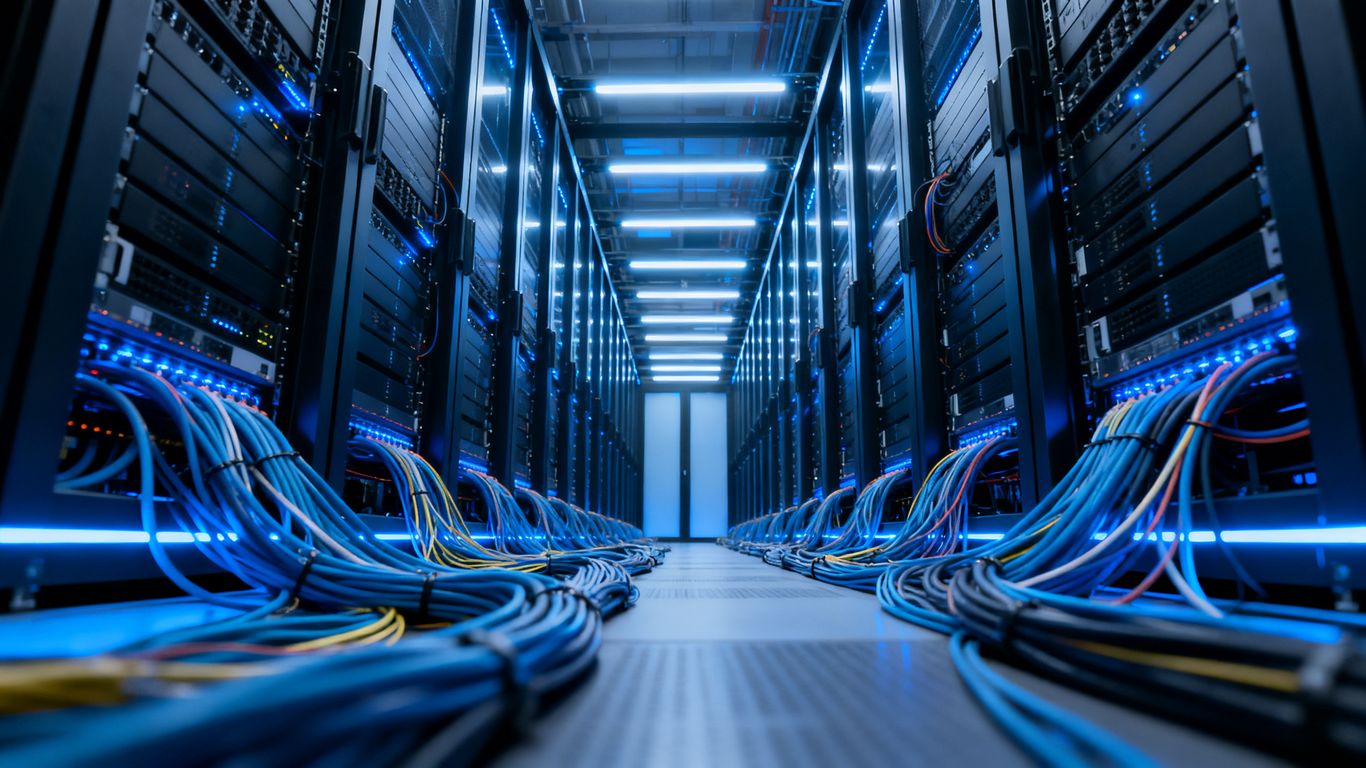
Modern data centers have evolved into the primary engines for computational growth in the current decade. The transition toward model-driven development requires infrastructure capable of sustained, high-throughput processing previously reserved for specialized research labs. Inside Deep Tech frequently monitors how these facilities serve as the bedrock for training and inference cycles.
How generative AI drives compute demand
Generative models require constant state maintenance across thousands of linked accelerators. This demand has fundamentally shifted the scale of the workloads being processed, moving far beyond traditional batch processing towards real-time inference and training. As noted in the best AI inference chips of 2026 report, the interplay between software architecture and hardware capabilities is the decisive factor in performance optimization.
Shift from enterprise servers to hyperscale data centers
Corporate spending is rapidly abandoning localized server rooms for centralized cloud-based facilities. These massive hyperscale environments enable efficiencies of scale that independent corporate environments simply cannot replicate. By consolidating power and thermal budgets, data center operators minimize the overhead per unit of compute, shifting costs from maintenance to core processing capability.
Physical infrastructure constraints for AI-ready facilities
Constructing modern facilities requires more than just square footage. Factors like floor-to-ceiling height, power sourcing, and seismic stability for cooling systems are critical. The current market landscape highlights a strong demand for enterprise-grade digital land that is ready for immediate deployment.
Semiconductor giants driving the compute boom
Semiconductor companies providing the underlying processing power are experiencing a historic upcycle. The equipment required to manufacture these chips is a significant bottleneck within the industry. As discussed in our semiconductor capital equipment analysis, firms specializing in metrology tools are now crucial chokepoints in the fabrication cycle.
GPU dominance and market concentration
Hardware leaders focused on parallel processing clusters are setting the standard for contemporary AI cluster architecture. Their ability to deliver consistent silicon output is directly tied to the speed at which hyperscalers can launch new clusters. The following table provides a snapshot of major sector stakeholders and their specific infrastructure focus areas:
| Company Name | Core Product Focus | Infrastructure Impact |
|---|---|---|
| AMD | High-performance compute | Market competition and availability |
| Intel | Scalable data center CPUs | Broad cloud deployment efficiency |
| NVIDIA | Specialized GPU architectures | Foundation of training ecosystems |
Prose analysis indicates that while concentration is high, regional suppliers are emerging as vital partners for localized scaling goals.
Custom silicon development for specialized AI workloads
Large cloud providers are increasingly investing in custom silicon to bypass dependency on general-purpose hardware. This tailoring allows for specific logic optimizations that lower long-term operating costs. Inside Deep Tech observes this trend as a strategic move to ensure that proprietary model architectures run with optimized power profiles.
Supply chain vulnerabilities in high-performance hardware
Dependency on advanced packaging techniques creates fragility within the procurement process. Because high-bandwidth memory stacks must be perfectly aligned with GPU dies, any localized shortage in component supply ripples through the entire infrastructure build. Managing these risks has become a priority for all major capital allocators.
The crucial role of thermal management and cooling
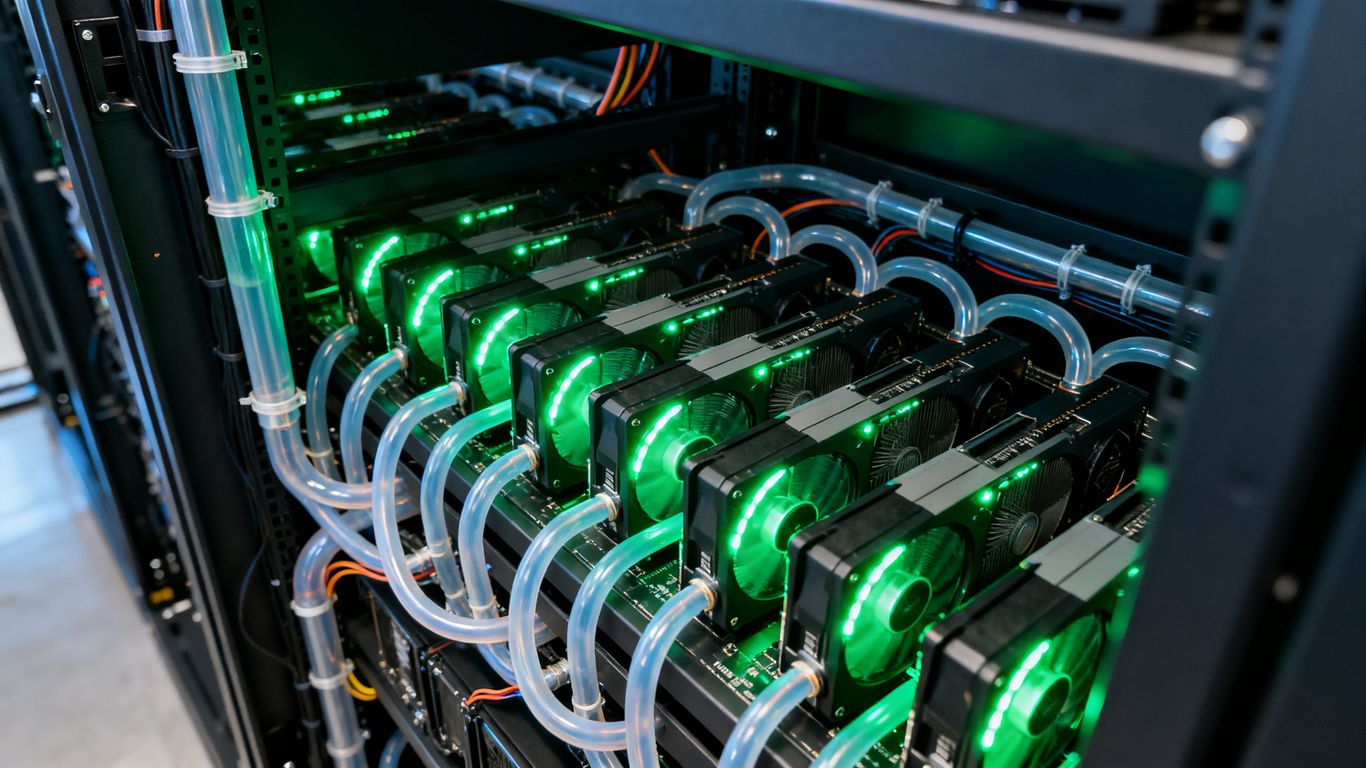
Managing heat dissipation is the central challenge for high-density compute rack configurations. Because liquid cooling solutions provide far greater heat transfer coefficients than circulating air, operators are abandoning traditional methods for more advanced plumbing-centric designs. These systems improve operating reliability at the cost of requiring more complex site infrastructure.
Challenges of high-density AI rack configurations
Density is the primary design variable for new compute deployments. When racks consume more than 50 kilowatts of power, heat density becomes an immediate constraint that standard facility ventilation cannot address without significant efficiency penalties.
Comparison of liquid cooling versus traditional air-based systems
Liquid cooling introduces new operational risks and maintenance requirements that managers must evaluate against the potential for higher density. These cooling systems serve as a bridge to future hardware, ensuring that internal components remain within thermal specs.
Energy efficiency mandates for modern data centers
Energy regulation pressures are forcing a shift in how infrastructure managers report facility efficiency and consumption. Consider the following key operational aspects for modern energy-efficient racks:
- Implementation of closed-loop water cooling for recirculating heat.
- Integration of software-defined power management to throttle underutilized nodes.
- Installation of energy storage units to buffer during demand spikes.
- Adoption of real-time sensor monitoring for thermal load balance.
These strategies help facilities comply with green energy standards while maintaining peak processing outputs.
Power utility providers and grid modernization
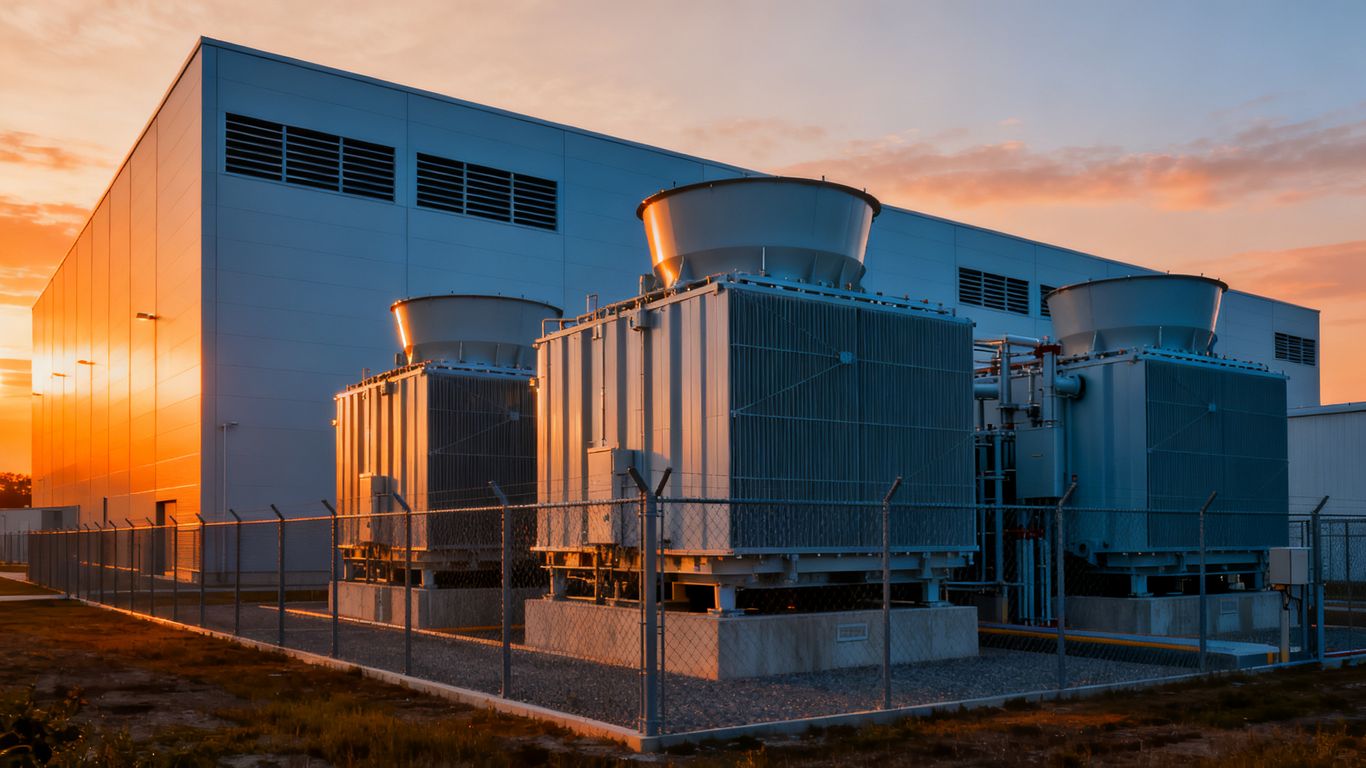
Electricity consumption has become the defining constraint for new facility locations. Tech companies are increasingly forming long-term output deals with utility providers to guarantee consistent power at scale. This reliance mirrors historical requirements where manufacturers built near hydroelectric sources for their own industrial-scale energy needs.
Rising electricity consumption in AI data centers
Load demand from massive model training operations is challenging existing distribution grids. Inside Deep Tech tracks these energy fluctuations closely, as they frequently determine the timelines for new data center infrastructure regional activations.
Partnerships between tech companies and utility providers
Strategic alignments between operators and energy utilities allow for faster site permitting. These partnerships help ensure that industrial-grade supply is directed toward high-value infrastructure projects rather than residential grids, balancing the requirements of local regions with the needs of the digital economy.
The growth of on-site microgrids and modular power solutions
Decentralizing energy generation is becoming an attractive alternative for facilities struggling with grid capacity. Modular power solutions provide a way for companies to hedge against outages and grid limitations, ensuring that critical AI workloads remain stable regardless of utility grid volatility.
Real estate investment trusts in the digital economy
Data center expansion revolves around proximity to major Internet Exchange points. REITs specialized in digital land ownership are facilitating global growth by securing sites with pre-approved industrial utility rights. This strategic ownership provides a predictable revenue stream while benefiting from the massive demand for colocation capacity.
Leasing dynamics for colocation providers
Leasing remains competitive as companies fight for space with ready-to-run utility access. The structure of these leases often involves long-term commitments, providing investors with stable, inflation-indexed income growth that underpins the entire sector.
Critical geographic hubs for data center expansion
Major hubs are dictated by telecommunications geography rather than simple real estate prices. Northern Virginia, for example, remains a foundational point for most cloud providers due to existing subsea cables and fiber connectivity density that already serves the largest digital economies.
Strategic advantages of owning enterprise-grade digital land
Land equipped with high-voltage power paths and existing cooling pipe infrastructure represents a significant entry barrier for competitors. REITs that own these locations effectively control the gateway for regional cloud expansion, securing a recurring value base for their digital-first infrastructure portfolios.
Networking hardware and high-speed connectivity
Scaling networks requires managing data transfers at speeds previously reserved for inter-chip communication. When model parameters grow into the trillions, the internal fabric network becomes the primary bottleneck if not carefully managed.
Scaling fabric networks for large language models
Fabric performance ensures that all nodes in a cluster act as a singular synthetic brain. Any degradation in high-speed connectivity leads to "hotspot" nodes, where some GPUs wait for data while others are fully utilized, destroying overall computational efficiency.
Increasing demand for optical transceivers and modular switches
Optical hardware is essential for long-distance connectivity within larger data centers. Modular switching architectures allow operators to swap components without disconnecting the entire fabric, facilitating maintenance that does not halt training progress.
Reducing latency within distributed AI architectures
Reducing the travel time for tokens is critical for responsive model performance. By placing compute nodes physically closer to each other in optimized network topologies, engineers can shave off the milliseconds that separate successful inference from timeout errors.
Conclusion
The trajectory of AI development relies upon a foundational layer of infrastructure that receives far less public attention than the models themselves. While software continues to push the boundaries of what is possible, the physical limitations of compute density, power availability, and thermal management remain the hard reality of the industry. Investors and builders who understand these constraints, and where the sector is directing its capital, will find themselves at the center of the next cycle in digital infrastructure.
Frequently Asked Questions
What makes ai data center stocks different from traditional tech stocks?
They derive value from physical infrastructure like power, cooling, and real estate, rather than purely software margins, making their performance heavily tied to capital expenditure cycles rather than just user growth numbers.
How does cooling capacity limit data center growth?
Cooling is the primary barrier preventing racks from packing more compute potential into the same footprint, as current heat dissipation needs often exceed the capacity of traditional climate control setups.
What role does the electrical grid play in data center viability?
Reliable and massive-scale power delivery is the gatekeeper for development; data centers simply cannot function without proximity to substations that provide enough consistent current to handle tens of megawatts of load.
Why is networking hardware becoming a bottleneck?
When a model training run involves thousands of GPUs, the connections between those processors become the primary speed constraint, meaning bandwidth and latency determine how fast a model converges.
Are data center REITs a hedge against overall tech volatility?
They offer exposure to the physical backbone of the internet economy, meaning they tend to behave more like essential utility infrastructure than volatile software stocks during broad market sell-offs.
Why is custom silicon becoming common in data centers?
Custom designs allow cloud providers to optimize for specific, repetitive AI workloads, which yields significantly better performance-per-watt ratios than generic hardware bought off the shelf.
What do investors look for in data center real estate sites?
They prioritize sites with pre-secured high-voltage power access, fiber connectivity, and proximity to major internet backbone nodes to ensure that the facility is instantly marketable to major cloud service tenants.