
Key Takeaways
Adopting on-premises deployment involves a strategic trade-off between total infrastructure control and increased operational responsibility. Organizations must carefully evaluate their specific requirements regarding data sovereignty, latency, and compliance before committing to local hosting solutions.
- Establishing local infrastructure requires significant upfront investment in physical hardware and dedicated support staff.
- Full ownership of software environments enables granular control over security protocols and data management.
- Maintaining isolated systems introduces ongoing responsibility for patches, updates, and disaster recovery planning.
- Hybrid models increasingly allow organizations to bridge the divide between local performance and cloud agility.
- Success depends on rigorous capacity planning and alignment with industry-specific technical regulatory standards.
Defining on-premises software
The technical architecture of local hosting
The fundamental premise of local hosting involves housing application logic and data processing directly within an organization’s designated physical footprint. This architecture bypasses external service providers, ensuring that the entire technology stack—from the database layer to the front-end interface—resides on private servers. In this environment, technical teams manage the full lifecycle of the software installation, which effectively turns the organization into its own data center provider. The on-premises software model demands that the business configure its internal network topology to handle traffic, storage, and computing loads locally.
Comparison with cloud-based infrastructure
Transitioning away from a reliance on the public cloud often reveals distinct operational divides in how systems are architected. While cloud services abstract away the complexity of hardware management through subscription-based scaling, local deployment demands hands-on administration of both compute and storage assets. Understanding the fundamental differences between these models is essential for optimizing long-term infrastructure efficiency.
| Deployment Model | Primary Control | Typical Cost Structure | Scaling Mechanism |
|---|---|---|---|
| On-Premises | Internal Staff | High Upfront CapEx | Hardware Procurement |
| Public Cloud | Third Party | Monthly OpEx Fees | Virtualized Elasticity |
| Hybrid Cloud | Shared/Tiered | Mixed Allocation | Workload Distribution |
Selecting the appropriate deployment architecture requires identifying where the organization places its primary value, whether that lies in hardware sovereignty or consumption-based agility.
Identifying common target use cases
Organizations handling highly sensitive intellectual property or navigating stringent compliance landscapes often find local hosting to be the most viable path. Industries such as defense, healthcare, and advanced research labs frequently require keeping data behind secure firewalls to meet legal obligations. Furthermore, businesses that operate in regulatory environments often need to ensure that their entire data lifecycle remains within a verified jurisdiction. When uptime is critical and network connectivity is unreliable, the local approach provides a stable foundation for essential operations that must function independently of any wide-area network dependency.
Strategic benefits of local deployment
Total control over data and security
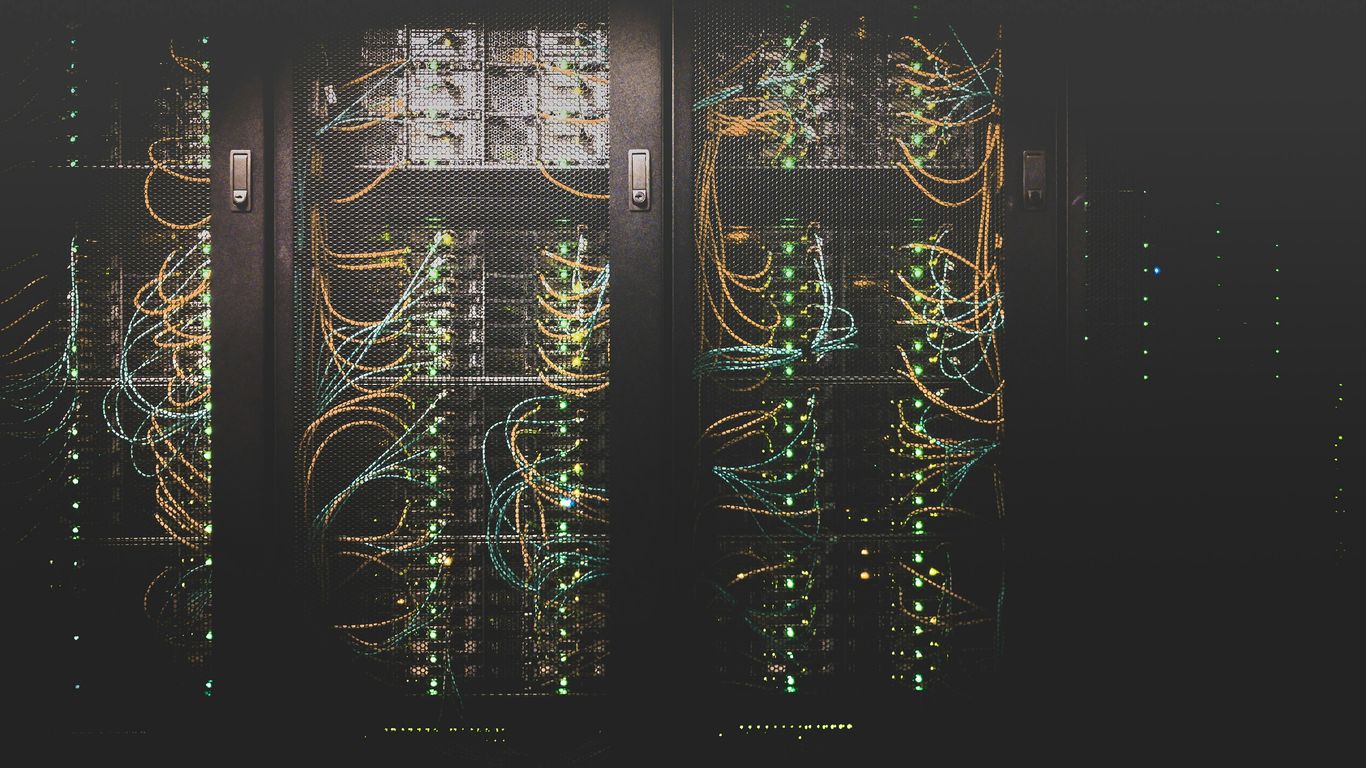
By keeping the entire stack in-house, an organization retains absolute authority over its security perimeter. This granular control allows for the development of custom protocols tailored specifically to the infrastructure. Unlike standardized cloud offerings, local hosting grants teams the ability to audit every physical node and network port.
Performance consistency in low-latency environments
Physical proximity to compute resources significantly reduces communication hurdles in high-frequency trading or industrial automation. For teams deploying autonomous mobile warehouse robots, the reduced latency provided by a local server ensures consistent real-time responsiveness. This eliminates the unpredictability of shared public network backbones, ensuring timing cycles remains within tight tolerances.
Long-term cost predictability for established systems
While the initial outlay is larger, local infrastructure avoids the compounding impact of variable subscription fees. Once the depreciation cycle of the hardware is factored into the budget, the operational spend becomes highly transparent. This predictability supports firm long-term fiscal planning as the technology becomes deeply integrated into the organizational workflow.
Common limitations and technical challenges
High initial capital expenditure
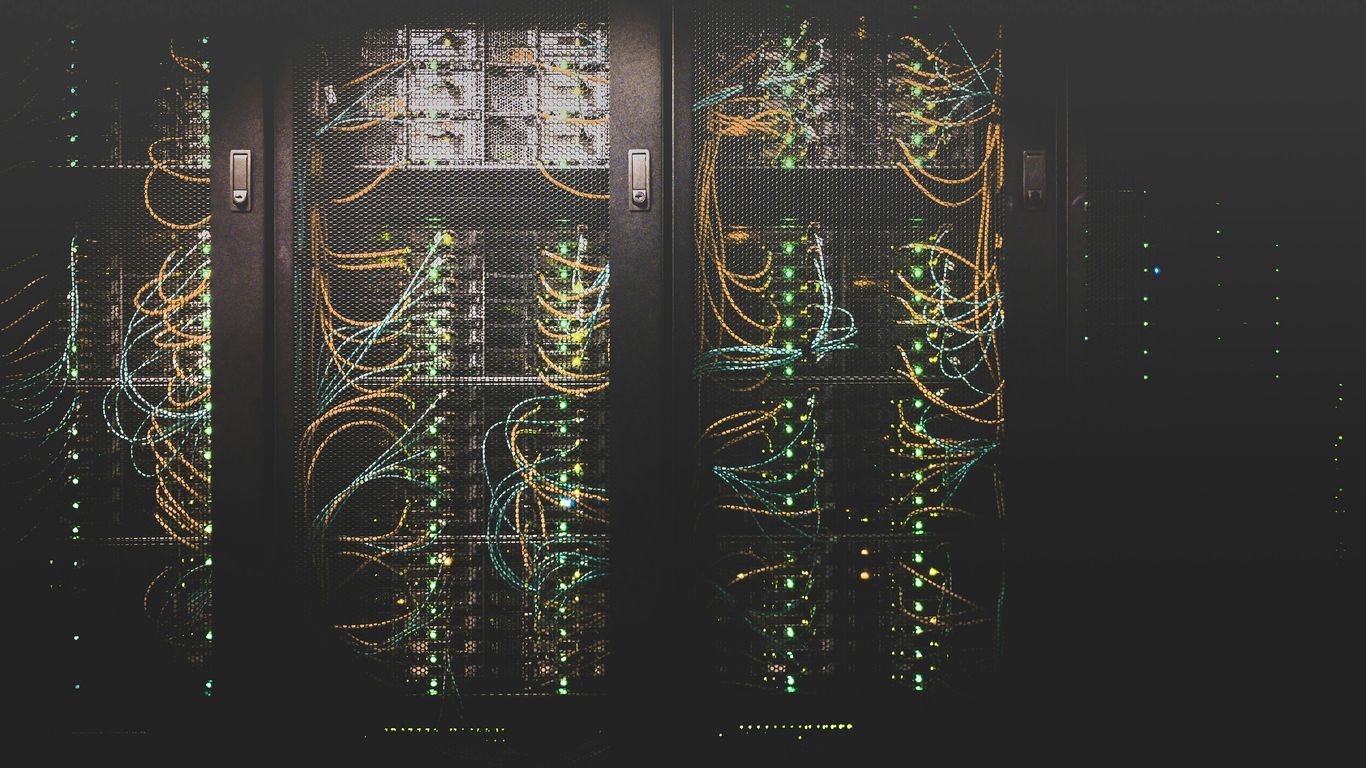
Launching an on-premises stack requires heavy investment in server hardware, power supplies, and network connectivity equipment. Unlike cloud consumption models, this upfront capital requirement can strain liquidity before a single transaction is processed. A shift in strategy means a shift in accounting, moving from predictable monthly outflows to chunky capital planning cycles.
Responsibility for hardware maintenance and updates
Internal teams own the remediation of hardware failure and the application of low-level security patches. The logistical effort involved in maintaining this hardware includes several core responsibilities:
- Managing periodic server firmware upgrades and BIOS security updates.
- Providing round-the-clock power redundancy and uninterruptible supply systems.
- Coordinating hardware retirement and secure disposal for aging components.
- Overseeing physical rack-level reorganization for efficient cooling performance.
This labor-intensive cycle ensures that technical resilience is baked into the daily operational rhythm.
Scalability hurdles in shifting demand environments
Unlike cloud environments that auto-scale in response to traffic, on-premises systems are limited by the physical capacity of the current server farm. Expanding capacity during unexpected surges requires procurement, physical installation, and rigorous configuration of new nodes. This creates a time-lag between the demand for resources and the ability to furnish them, necessitating precise and forward-looking capacity planning.
Security considerations and compliance

Managing physical and network-level security
Securing an on-premises setup requires a multi-layered approach that includes biometric physical entry restrictions and segmented internal network firewalls. Because the entire surface area of the infrastructure is owned by the business, every switch, cable, and gateway is a potential vulnerability that requires dedicated oversight. Protecting this surface necessitates constant monitoring of ingress and egress traffic moving through the physical data center.
Aligning with industry-specific data privacy regulations
Many organizations are bound by regulations that require strict data residency, which local deployment inherently satisfies by guaranteeing no data ever leaves the premises. This approach allows institutions to maintain full compliance with data privacy mandates by controlling the physical storage medium. It simplifies the reporting process since the organization knows exactly where every data bit is located at all times.
Patch management in isolated environments
Isolated systems often operate in air-gapped or restricted network zones, making automatic background updates impossible. Teams must download updates through secure channels, verify them in a sandbox, and perform manual deployments. While this provides a high level of security by preventing unauthorized remote access, it requires a disciplined schedule to ensure that critical software versions remain current.
Assessing the infrastructure requirements
Hardware procurement and capacity planning
Capacity planning requires accurate projection of compute and storage needs over a three-to-five-year horizon. Teams must balance current performance requirements against potential future needs to avoid premature obsolescence. Getting this balance right is critical, as over-provisioning wastes capital, while under-provisioning degrades operational performance.
Power, cooling, and space availability
High-density server deployments demand specialized environments capable of dissipating significant heat. Providing reliable power often requires redundant grid feeds and diesel backups to ensure the site remains operational during utility failures. Ensuring floor-space and rack capacity exists within existing buildings is a core hurdle that can drive architects toward expansion or building retrofits.
Specialized personnel for server administration
Maintaining the technology stack requires expertise in hardware cabling, virtualization software, and network stack troubleshooting. Managing the depth of infrastructure requirements demands a level of focus that is often distinct from cloud management. The organization requires personnel capable of translating business requirements into stable hardware specifications.
Transitioning from cloud to on-premises software
Evaluating the business necessity for migration
Moving an application back from the cloud is a heavy decision usually driven by latency needs, compliance mandates, or a desire for long-term fiscal predictability. An objective audit should contrast current monthly cloud spend against the projected depreciation costs of on-premises hardware. This analysis must be thorough, including hidden items like specialized staffing and energy consumption.
Mapping existing data and software dependencies
Existing cloud setups often rely on proprietary managed services that do not have direct, out-of-the-box local counterparts. Each dependency—database engines, auto-scaling groups, or load balancers—must be replaced with an equivalent local component. Mapping these linkages allows engineers to identify which segments of the infrastructure can be migrated cleanly and which require complete architectural refactoring.
Mitigating operational downtime during implementation
Executing a migration without disrupting business continuity is a monumental task that requires phased deployment. By running the local and cloud systems in a temporary parallel state, teams can synchronize data and verify integrity before performing the final cut-over. This minimizes exposure to catastrophic failure and provides an immediate fallback if primary migration metrics are not achieved during the initial phase.
Future outlook for on-premises solutions
The rise of hybrid deployment models
The future of infrastructure is not purely binary; instead, it is increasingly defined by hybrid convergence. By keeping latency-sensitive, regulated data on-premises while offloading compute-heavy, non-critical AI training to the cloud, organizations optimize across both cost and performance. This balanced approach is becoming the standard for modern enterprise operations.
Edge computing as an extension of local infrastructure
Local data processing is moving closer to the point of origin, with edge nodes acting as decentralized extensions of the primary data center. This architecture allows companies to push computing logic out to the field, making it essential for high-fidelity responses in modern industrial and logistical operations. Edge deployments now function as a critical layer that extends the reach of traditional on-premises software environments.
Technological convergence with virtualized hardware
Modern hardware is increasingly defined by software, with virtualization making it easier to manage physical capacity. By decoupling the software stack from the underlying hardware, systems gain massive flexibility in how they handle maintenance and upgrades. This evolution reflects the broader shift toward defined compute resources, ensuring that organizations can scale efficiently without constantly ripping out physical components.
Conclusion
On-premises deployment represents a commitment to sovereignty and specialized performance over the general-purpose flexibility offered by the cloud. For the modern engineer, the challenge lies in effectively managing the hardware lifecycle while maintaining the agility of a modern software stack. When the benefits of total infrastructure control and data security align with the business's regulatory and performance needs, the local model provides a robust, defensible foundation for long-term growth.
Frequently Asked Questions
What are the main drawbacks of on-premises hosting?
The primary drawbacks involve high upfront costs, the need for specialized personnel to manage physical infrastructure, and the responsibility for handling all maintenance and security updates. It also introduces less flexibility compared to the elastic scalability found in public cloud services.
How does on-premises software ensure better data ownership?
By storing data physically within the company's own facilities, you eliminate dependency on third-party cloud providers, ensuring that you maintain complete control over access, storage, and the underlying infrastructure that houses your sensitive information.
Is the initial cost of on-premises infrastructure higher than cloud services?
Yes, the initial capital expenditure for on-premises solutions includes the purchase price of server hardware, networking equipment, and licensing, whereas cloud services generally operate on an operational expenditure model with recurring subscription fees.
Can on-premises infrastructure be as scalable as the cloud?
It is inherently harder to scale on-premises solutions because physical resources must be budgeted, purchased, and installed manually, whereas cloud providers rely on vast pools of remote computing resources to provide near-instantaneous scaling.
What industries benefit most from keeping software on-premises?
Industries with strict regulatory requirements, such as defense, healthcare, and finance, benefit most because they require total control over where data is stored and how it is protected against unauthorized access.
How often do companies typically replace their on-premises hardware?
Hardware refresh cycles usually occur every three to five years, depending on the performance requirements, the depreciation schedules established by the finance department, and the rate at which newer, more efficient hardware becomes available.
Does on-premises software prevent the use of cloud-based tools?
Not at all, as many modern organizations use hybrid models, running critical tasks on local hardware to ensure security or performance, while utilizing cloud-based SaaS tools for peripheral or non-sensitive functions.